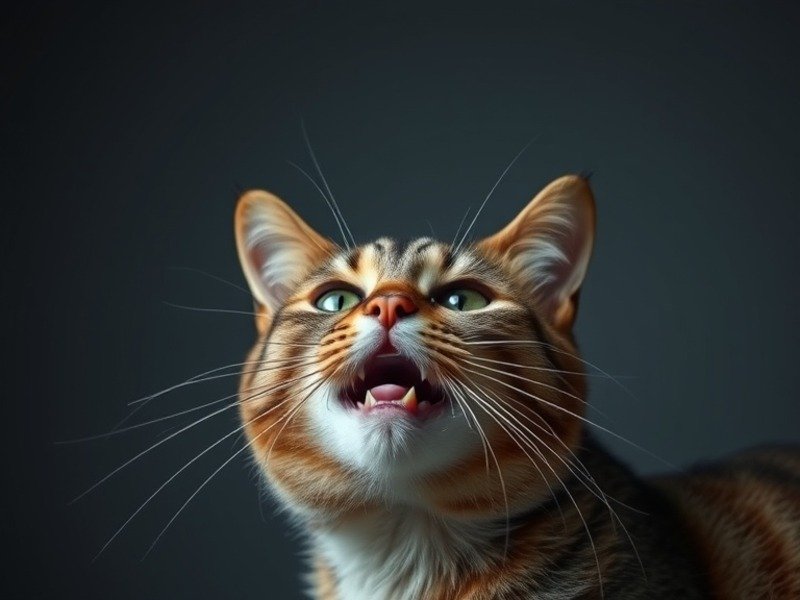
Every cat owner loves to see their furry friend happy, healthy, and full of energy, but what happens when you notice something a little off about your cat, like a swollen nose? You might find yourself worried, wondering what’s going on and how to help.
Why is a Swollen Nose a Concern?
A swollen nose in cats can be a sign of a variety of conditions, ranging from simple irritation to serious infections. It’s important to pay attention to your cat’s nose and look for any signs of swelling, redness, or discharge.
Common Causes of a Swollen Nose in Cats
Here are some common reasons why a cat’s nose might be swollen:
Allergies: Allergies to pollen, dust mites, mold, or other environmental allergens can cause inflammation and swelling in the nose, as well as sneezing, runny nose, and eye irritation.
Upper Respiratory Infections (URIs): URIs, commonly caused by viruses or bacteria, can cause inflammation and swelling of the nasal passages, leading to sneezing, runny nose, and eye discharge.
Feline Herpesvirus (FHV): FHV is a common virus that can cause chronic or recurrent upper respiratory infections in cats, including nasal inflammation and swelling.
Feline Calicivirus (FCV): FCV is another common virus that can cause upper respiratory infections, including nasal inflammation and swelling.
Dental Disease: Dental disease can cause inflammation and swelling in the nasal passages, as well as bad breath.
Foreign Objects: Small objects, such as grass awns or pieces of food, can become lodged in the nose, causing inflammation and swelling.
Tumors: Tumors in the nasal passages can also cause swelling and other symptoms.
Trauma: Injuries to the nose, such as a bite or a scratch, can cause inflammation and swelling.
Abscesses: Abscesses, a collection of pus, can form in the nasal passages, causing swelling and other symptoms.
Symptoms of a Swollen Nose in Cats
Here are some common symptoms of a swollen nose in cats:
Swelling: The nose might be visibly swollen, appearing larger or more rounded than usual.
Redness: The skin around the nose might be red or inflamed.
Discharge: The cat might have a runny nose, with clear, white, yellow, or green discharge.
Sneezing: The cat might sneeze frequently.
Snoring: The cat might snore more loudly than usual.
Difficulty Breathing: The cat might have difficulty breathing, making a whistling or rattling sound.
Nosebleeds: In some cases, the cat might have nosebleeds.
Facial Pain: The cat might rub their face or paw at their nose, showing signs of pain.
Loss of Appetite: The cat might have a decreased appetite due to pain or discomfort.
Lethargy: The cat might become lethargic and inactive.
A Case Study: Whiskers’ Sneezing Fits
Whiskers, a 5-year-old Maine Coon, started sneezing frequently. His owner, David, also noticed that Whiskers’ nose seemed to be swollen. “He was normally so playful,” David says. “But he was quieter than usual, and he kept sneezing.”
David took Whiskers to the vet, who performed a physical exam and examined Whiskers’ nose. The veterinarian suspected that Whiskers had an upper respiratory infection. “Whiskers’ nose is inflamed,” the veterinarian explained. “It’s likely a viral infection.”
Diagnosing a Swollen Nose in Cats
Diagnosing the cause of a swollen nose in cats requires a thorough examination by a veterinarian. They will perform a physical exam, examine your cat’s nose and respiratory system, and often recommend some additional testing.
Physical Examination: The veterinarian will assess your cat’s overall health, including their weight, body condition, and any signs of illness. They will check your cat’s temperature, pulse, and respiration, and they will examine their eyes, ears, nose, teeth, and gums. They will also feel your cat’s lymph nodes for any abnormalities.
Bloodwork: Blood tests can help rule out a variety of medical conditions, such as feline leukemia virus (FeLV), feline immunodeficiency virus (FIV), or other infections.
Radiographs (X-rays): X-rays can help to identify any abnormalities in the nasal passages, such as tumors or foreign objects.
Endoscopy: In some cases, your veterinarian might recommend an endoscopy, a procedure where a thin, flexible tube with a camera is inserted into the nose to examine the lining for signs of inflammation or other problems.
Treating a Swollen Nose in Cats
Treatment for a swollen nose in cats depends on the underlying cause.
Allergies: For allergies, your veterinarian may recommend:
Environmental Control: Minimize exposure to the offending allergen.
Antihistamines: Antihistamines can help reduce itching, inflammation, and sneezing.
Corticosteroids: Corticosteroids are potent anti-inflammatory medications that can help reduce itching, inflammation, and sneezing, but they can have side effects.
Immunomodulators: Immunomodulators can help suppress the immune system’s response to allergens, reducing allergy symptoms.
Upper Respiratory Infections (URIs): For URIs, your veterinarian may prescribe antibiotics to treat bacterial infections or antiviral medications for viral infections.
Feline Herpesvirus (FHV) and Feline Calicivirus (FCV): There is no cure for FHV or FCV, but your veterinarian can prescribe medications to manage symptoms, such as:
Antibiotics: To treat secondary bacterial infections.
Anti-Inflammatory Medications: To reduce inflammation and swelling.
Dental Disease: For dental disease, your veterinarian may recommend a dental cleaning or extraction of any loose teeth.
Foreign Objects: If a foreign object is lodged in the nose, your veterinarian may need to perform a surgical procedure to remove it.
Tumors: Treatment for nasal tumors might involve surgery to remove the tumor, radiation therapy to shrink the tumor, or chemotherapy to kill cancer cells.
Trauma: Treatment for injuries to the nose might involve medication to reduce swelling and pain, antibiotics to prevent infection, or surgery to repair the damage.
Abscesses: Abscesses are usually treated with antibiotics and drainage.
A Case Study: Whiskers’ URI Recovery
Whiskers, the Maine Coon with an upper respiratory infection, responded well to treatment. The veterinarian prescribed him antibiotics, and David followed the veterinarian’s instructions for providing him with supportive care. “Whiskers felt much better after a few days on the antibiotics,” David says. “He was back to his normal self, happily playing and purring.”
Tips for Caring for a Cat with a Swollen Nose
Monitor Your Cat’s Behavior: Pay close attention to your cat’s behavior, especially if they’re having difficulty breathing or showing signs of discomfort.
Provide Fresh Water: Make sure your cat has access to fresh water at all times.
Consult a Veterinarian Immediately: If you notice any signs of swelling, redness, discharge, or other concerning symptoms in your cat’s nose, consult your veterinarian immediately. These could be signs of a serious medical condition that requires treatment.
Conclusion
A swollen nose in cats can be a sign of a variety of conditions, but it’s important to remember that your cat is still your loving companion. By understanding the causes and seeking professional help, you can help your cat receive prompt veterinary care and increase their chances of a good outcome.
Every cat owner knows their furry friend can be full of energy, bounding around the house, chasing toys, and demanding attention. But what happens when your cat suddenly becomes lethargic and weak, seemingly losing their usual spark? You might find yourself worried, wondering what’s going on and how to help.
Lethargy and Weakness: Common Signs of Illness in Cats
Lethargy and weakness are common signs of illness in cats. They can indicate a variety of conditions, from simple dehydration to serious medical problems.
Why is Lethargy and Weakness a Concern?
Lethargy and weakness in cats can indicate that something is not right with their health. It can make them more susceptible to illness and affect their energy levels and overall quality of life.
Causes of Lethargy and Weakness in Cats
Lethargy and weakness in cats can be caused by a variety of factors, including:
Dehydration: Dehydration is a common cause of lethargy and weakness in cats. Cats can become dehydrated if they don’t drink enough water, especially during hot weather or if they have a medical condition that causes them to lose fluids, such as vomiting, diarrhea, or kidney disease.
Pain: Cats with pain might be reluctant to move or play, leading to lethargy and weakness. Pain can be caused by a variety of factors, such as:
Injuries: A broken bone or a sprain can cause pain.
Arthritis: Arthritis, a condition that causes inflammation of the joints, can cause chronic pain.
Dental Problems: Dental disease can cause pain in the mouth.
Abscesses: Abscesses, a collection of pus, can cause localized pain.
Infections: Infections can also cause pain.
Stress: Stress can also cause lethargy and weakness in cats. Stress can be triggered by a variety of factors, such as:
Moving to a New Home: Relocating can be stressful for cats.
Introducing a New Pet: Adding a new pet to the household can be stressful for existing cats.
Veterinary Visits: Many cats feel anxious during veterinary visits.
Loud Noises: Loud noises, such as fireworks or thunderstorms, can be stressful for cats.
Metabolic Disorders: A variety of metabolic disorders can cause lethargy and weakness in cats, including:
Hyperthyroidism: An overactive thyroid gland can cause an increase in metabolism, leading to weight loss and lethargy.
Hypothyroidism: An underactive thyroid gland can cause a decrease in metabolism, leading to weight gain and lethargy.
Diabetes: Diabetes can cause lethargy and weakness due to an inability to properly regulate blood sugar levels.
Kidney Disease: Kidney disease can cause a buildup of toxins in the body, leading to lethargy, weakness, and a decrease in appetite.
Liver Disease: Liver disease can impair the liver’s ability to filter toxins, leading to lethargy, weakness, and a decrease in appetite.
Infections: Infections, such as upper respiratory infections, urinary tract infections, or even internal infections, can cause lethargy and weakness.
Parasites: Parasites, such as intestinal worms or fleas, can weaken a cat’s body and cause lethargy and weakness.
Cancer: Cancer can also cause lethargy, weakness, and weight loss.
A Case Study: Whiskers’ Sleepy Days
Whiskers, a 6-year-old Maine Coon, started sleeping more than usual. His owner, David, noticed that Whiskers was less interested in playing and seemed to be losing his energy. “Whiskers used to be so playful and energetic,” David says. “He would chase his toys and demand attention, but he’s become quieter and more sluggish.”
David took Whiskers to the vet. The veterinarian performed a physical exam and ran blood tests. The blood tests revealed that Whiskers had hyperthyroidism, a condition that causes an overactive thyroid gland. “The extra thyroid hormone was speeding up Whiskers’ metabolism,” the veterinarian explained. “He was burning calories faster than he was taking them in.”
Diagnosing Lethargy and Weakness in Cats
Diagnosing the cause of lethargy and weakness in cats requires a thorough examination by a veterinarian. They will perform a physical exam, ask about your cat’s history, and often recommend some additional testing.
Physical Examination: The veterinarian will assess your cat’s overall health, including their weight, body condition, and any signs of illness. They will check your cat’s temperature, pulse, and respiration, and they will examine their eyes, ears, nose, teeth, and gums. They will also feel your cat’s abdomen and lymph nodes for any abnormalities.
Bloodwork: Blood tests can help rule out a variety of medical conditions, such as hyperthyroidism, diabetes, kidney disease, liver disease, or anemia.
Urinalysis: A urinalysis can help to assess kidney function, which can be affected by a number of medical conditions.
Fecal Examination: A fecal examination can detect intestinal parasites.
Radiographs (X-rays): X-rays can help to identify any abnormalities in the bones, organs, or other structures, which could indicate a medical condition.
Ultrasound: Ultrasound can provide a more detailed view of the internal organs, helping to identify any abnormalities.
Treating Lethargy and Weakness in Cats
Treatment for lethargy and weakness in cats depends on the underlying cause.
Dehydration: If your cat is dehydrated, your veterinarian may recommend giving them fluids intravenously or subcutaneously (under the skin). You can also encourage your cat to drink more water by offering them fresh, clean water in multiple locations, adding water to their food, or using a water fountain.
Pain: If your cat is experiencing pain, your veterinarian may prescribe pain medications to help relieve the discomfort.
Stress: To reduce stress in your cat’s environment, try to:
Provide Safe Spaces: Offer your cat a quiet, comfortable space where they can feel secure.
Use Pheromone Diffusers: Pheromone diffusers can help to create a calming environment.
Play with Your Cat: Playtime can help to relieve stress.
Metabolic Disorders: If lethargy and weakness are caused by a metabolic disorder, your veterinarian may prescribe medications to treat the underlying problem. For example:
Hyperthyroidism: Medication to slow down the thyroid gland.
Hypothyroidism: Medication to supplement thyroid hormone.
Diabetes: Insulin to help regulate blood sugar levels.
Kidney Disease: Medications to help manage kidney function and reduce toxins in the body.
Liver Disease: Medications to help manage liver function and reduce toxins in the body.
Infections: Infections are treated with antibiotics or antifungals, depending on the type of infection.
Parasites: Parasites are treated with medication to eliminate the parasites.
A Case Study: Whiskers’ Hyperthyroidism Treatment
Whiskers, the Maine Coon with hyperthyroidism, responded well to treatment. The veterinarian prescribed him medication to help slow down his thyroid gland. “Whiskers was still a little lethargic for a few days, but he started to regain his energy after a couple of weeks,” David says. “He’s back to his old self, happily chasing his toys and demanding attention.”
Tips for Caring for a Lethargic and Weak Cat
Monitor Your Cat’s Behavior: Pay close attention to your cat’s behavior, especially if they’re lethargic or weak. Look for signs of discomfort or distress, such as:
Loss of Appetite: Refusing to eat or having difficulty eating.
Vomiting: Forceful expulsion of contents from the stomach.
Diarrhea: Loose stool.
Difficulty Breathing: Labored breathing or gasping for air.
Changes in Urination: Difficulty urinating or urinating more frequently.
Provide Fresh Water: Make sure your cat has access to fresh water at all times.
Encourage Activity: If your cat is lethargic, encourage them to play and exercise to help them regain their energy.
Consult a Veterinarian Immediately: If your cat is lethargic or weak, and if they’re also experiencing other symptoms, such as vomiting, diarrhea, difficulty breathing, or changes in urination, consult your veterinarian immediately. These could be signs of a serious medical condition that requires treatment.
Conclusion
Lethargy and weakness in cats can be a sign of a variety of conditions, but it’s important to remember that your cat is still your loving companion. By understanding the causes and seeking professional help, you can help your cat regain their energy and live a happy and fulfilling life.
Every cat owner knows their furry friend can be a little sensitive to their food choices. But what happens when your cat starts showing signs of discomfort, like vomiting or refusing to eat? You might find yourself worried, wondering what’s going on and how to help. One common reason behind these symptoms is nausea.
What is Nausea?
Nausea is a feeling of unease or discomfort in the stomach that can cause a range of symptoms, including:
Vomiting: The most common symptom of nausea is vomiting, where the cat forcefully expels contents from their stomach.
Loss of Appetite: Cats experiencing nausea may lose their appetite and refuse to eat.
Drooling: Cats may drool excessively when nauseous.
Licking Lips: Cats might lick their lips repeatedly as a sign of nausea.
Restlessness: Nauseous cats may become restless and pace or hide more than usual.
Causes of Cat Nausea
Nausea in cats can be caused by a wide range of factors, including:
Hairballs: Hairballs are a common cause of nausea in cats, especially long-haired breeds. Cats groom themselves frequently, and they can accidentally swallow hair, which can accumulate in their stomachs and cause nausea and vomiting.
Dietary Indiscretion: Cats who eat something they shouldn’t, such as scraps of food, plants, or even non-food items, can experience nausea and vomiting.
Dietary Changes: Sudden changes in diet can cause stomach upset and nausea in some cats.
Stress: Stress can also cause nausea and vomiting in cats. Stress can be triggered by a variety of factors, such as:
Moving to a New Home: Relocating can be stressful for cats.
Introducing a New Pet: Adding a new pet to the household can be stressful for existing cats.
Veterinary Visits: Many cats feel anxious during veterinary visits.
Loud Noises: Loud noises, such as fireworks or thunderstorms, can be stressful for cats.
Gastrointestinal Issues: A variety of gastrointestinal issues can cause nausea and vomiting in cats, including:
Gastritis (Inflammation of the Stomach): Gastritis can be caused by a variety of factors, including:
Dietary Indiscretion: Eating something they shouldn’t.
Stress: Stress can cause stomach ulcers.
Infections: Bacteria or viruses can cause stomach inflammation.
Medications: Certain medications can irritate the stomach lining.
Intestinal Parasites: Intestinal parasites can cause nausea, vomiting, and diarrhea.
Pancreatitis: Inflammation of the pancreas can cause nausea and vomiting.
Food Allergies: Food allergies can trigger nausea and vomiting.
Inflammatory Bowel Disease (IBD): IBD is a chronic condition that causes inflammation of the intestines.
Underlying Medical Conditions: Nausea and vomiting can also be a sign of a number of underlying medical conditions, such as:
Hyperthyroidism: An overactive thyroid gland can cause nausea and vomiting.
Kidney Disease: Kidney disease can cause a buildup of toxins in the body, leading to nausea and vomiting.
Liver Disease: Liver disease can impair the liver’s ability to filter toxins, leading to nausea and vomiting.
Cancer: Cancer can cause nausea and vomiting, particularly if it affects the digestive system.
A Case Study: Whiskers’ Morning Mishap
Whiskers, a 5-year-old Maine Coon, woke his owner, David, early one morning with a loud, projectile vomit. “He was a little shaky, and he seemed to be feeling unwell,” David says. “I wasn’t sure what was wrong.”
David took Whiskers to the vet, and the veterinarian suspected that Whiskers was suffering from gastritis. The vet recommended a bland diet and medication to help soothe Whiskers’ stomach. “Whiskers felt much better after a few days,” David says. “He was back to his normal self, happily eating and napping.”
Diagnosing Cat Nausea
Diagnosing the cause of nausea in cats requires a thorough examination by a veterinarian. They will perform a physical exam, ask about your cat’s history, and often recommend some additional testing.
Physical Examination: The veterinarian will assess your cat’s overall health, including their weight, body condition, and any signs of illness.
Bloodwork: Blood tests can help rule out a variety of medical conditions, such as hyperthyroidism, kidney disease, liver disease, or cancer.
Urinalysis: A urinalysis can help to assess kidney function, which can be affected by a number of medical conditions.
Fecal Examination: A fecal examination can detect intestinal parasites.
Radiographs (X-rays): X-rays can help to identify any abnormalities in the internal organs, which could indicate a medical condition.
Ultrasound: Ultrasound can provide a more detailed view of the internal organs, helping to identify any abnormalities.
Endoscopy: In some cases, your veterinarian might recommend an endoscopy, a procedure where a thin, flexible tube with a camera is inserted into the esophagus, stomach, or intestines to examine the lining for signs of inflammation or other problems.
Treating Cat Nausea
Treatment for nausea in cats depends on the underlying cause.
Hairballs: To prevent hairballs, brush your cat regularly to remove loose hair. You can also give your cat hairball remedies that are available at pet stores.
Dietary Indiscretion: If your cat eats something they shouldn’t, monitor them closely for any signs of nausea or vomiting. If they vomit or show signs of discomfort, contact your veterinarian.
Dietary Changes: If you’re switching your cat’s food, do so gradually over several days.
Stress Reduction: Try to reduce stress in your cat’s environment by:
Providing Safe Spaces: Offer your cat a quiet, comfortable space where they can feel secure.
Using Pheromone Diffusers: Pheromone diffusers can help to create a calming environment.
Playing with Your Cat: Playtime can help to relieve stress.
Medications: If nausea is caused by a medical condition, your veterinarian may prescribe medications to treat the underlying problem. For example:
Anti-Nausea Medications: Medications to reduce nausea and vomiting.
Antibiotics: Medications to treat bacterial infections.
Antifungal Medications: Medications to treat fungal infections.
Anti-Inflammatory Medications: Medications to reduce inflammation in the stomach or intestines.
Antacids: Medications to reduce stomach acid.
Medications to Treat Hyperthyroidism, Kidney Disease, or Liver Disease: Medications to manage the underlying medical condition.
Dietary Management: If your cat has gastritis or other stomach problems, your veterinarian may recommend a bland diet for a few days. Bland diets typically consist of cooked chicken or turkey and white rice.
A Case Study: Whiskers’ Recovery
Whiskers, the Maine Coon with gastritis, responded well to treatment. He was prescribed medication to reduce stomach acid, and David followed the veterinarian’s instructions for providing him with a bland diet.
“Whiskers felt much better after a few days on the bland diet,” David says. “He was back to his normal self, happily eating and playing.”
Tips for Caring for a Nauseous Cat
Monitor Your Cat’s Behavior: Pay close attention to your cat’s behavior, especially if they’re vomiting or showing other signs of nausea. Look for signs of discomfort or distress, such as:
Restlessness: Pacing or hiding more than usual.
Lethargy: Sleeping more than usual.
Changes in Appetite: Refusing to eat or having difficulty eating.
Provide Fresh Water: Make sure your cat has access to fresh water at all times.
Offer Small, Frequent Meals: If your cat is vomiting, offer them small, frequent meals instead of one large meal.
Consult a Veterinarian Immediately: If your cat is vomiting frequently, or if they’re vomiting blood or bile, or if they have a fever or other concerning symptoms, consult your veterinarian immediately.
Conclusion
Nausea is a common problem in cats, but it can often be managed with proper care. By understanding the causes and recognizing the symptoms of nausea, you can work with your veterinarian to develop a treatment plan that’s right for your cat. Remember, every cat is unique, and their nausea might require a different approach.
Key Terms:
Nausea: A feeling of unease or discomfort in the stomach.
Every cat owner knows their furry friend can be a little picky about their food. But what happens when your cat starts losing weight, even though they seem to be eating normally? You might find yourself worried, wondering what’s going on and how to help.
Weight Loss: A Common Concern for Cat Owners
Weight loss is a common concern for cat owners. It can be a sign of a variety of conditions, ranging from simple dietary changes to serious medical problems.
Why is Weight Loss a Concern?
Weight loss in cats can indicate that something is not right with their health. A significant loss of weight can weaken their immune system and make them more susceptible to illness. It can also affect their energy levels and overall quality of life.
Causes of Weight Loss in Cats
Weight loss in cats can be caused by a variety of factors, including:
Dietary Changes: Sometimes, weight loss is simply due to a change in diet. If you recently switched your cat’s food, they might not be getting the same amount of calories or nutrients.
Decreased Appetite: A decrease in appetite can be caused by a number of factors, including:
Dental Problems: Dental disease can make it painful for cats to eat.
Gastrointestinal Issues: Gastrointestinal problems, such as gastritis (inflammation of the stomach) or intestinal parasites, can cause nausea, vomiting, and diarrhea, leading to weight loss.
Stress: Stress can also suppress a cat’s appetite.
Underlying Medical Conditions: A number of medical conditions, such as hyperthyroidism (overactive thyroid), diabetes, kidney disease, liver disease, or cancer, can also cause a decrease in appetite and weight loss.
Increased Metabolism: Hyperthyroidism, a condition where the thyroid gland produces too much thyroid hormone, can increase a cat’s metabolism, leading to weight loss despite a normal appetite.
Malabsorption: Malabsorption occurs when the body is unable to properly absorb nutrients from food. This can be caused by a variety of conditions, such as inflammatory bowel disease, intestinal parasites, or pancreatic insufficiency.
Parasites: Parasites, such as intestinal worms or fleas, can steal nutrients from the cat’s body, leading to weight loss.
Chronic Pain: Cats with chronic pain might not eat as much, leading to weight loss.
A Case Study: Whiskers’ Weight Woes
Whiskers, a 7-year-old Maine Coon, started losing weight. His owner, David, noticed that Whiskers’ fur was getting thinner and his ribs were more prominent. “I wasn’t sure what was going on,” David says. “Whiskers seemed to be eating normally, but he was getting skinnier.”
David took Whiskers to the vet. The veterinarian performed a physical exam and ran blood tests. The blood tests revealed that Whiskers had hyperthyroidism, a condition that causes an overactive thyroid gland. “The extra thyroid hormone was speeding up Whiskers’ metabolism,” the veterinarian explained. “He was burning calories faster than he was taking them in.”
Diagnosing Weight Loss in Cats
Diagnosing the cause of weight loss in cats requires a thorough examination by a veterinarian. They will perform a physical exam, ask about your cat’s history, and often recommend some additional testing.
Physical Examination: The veterinarian will assess your cat’s overall health, including their weight, body condition, and any signs of illness.
Bloodwork: Blood tests can help rule out a variety of medical conditions, such as hyperthyroidism, diabetes, kidney disease, liver disease, or cancer.
Urinalysis: A urinalysis can help to assess kidney function, which can be affected by a number of medical conditions.
Fecal Examination: A fecal examination can detect intestinal parasites.
Radiographs (X-rays): X-rays can help to identify any abnormalities in the internal organs, which could indicate a medical condition.
Ultrasound: Ultrasound can provide a more detailed view of the internal organs, helping to identify any abnormalities.
Treating Weight Loss in Cats
Treatment for weight loss in cats depends on the underlying cause.
Dietary Changes: If weight loss is due to a change in diet, your veterinarian can help you choose a food that’s appropriate for your cat’s age, breed, and activity level.
Dental Care: If dental problems are causing pain, your veterinarian may recommend a dental cleaning or extraction of any loose teeth.
Medications: If weight loss is caused by a medical condition, your veterinarian may prescribe medications to treat the underlying problem. For example:
Hyperthyroidism: Medication to slow down the thyroid gland.
Diabetes: Insulin to help regulate blood sugar levels.
Gastrointestinal Issues: Medications to reduce stomach acid or treat ulcers.
Parasites: Medications to eliminate parasites.
Nutritional Support: Your veterinarian may recommend a high-calorie diet or supplements to help your cat regain weight.
A Case Study: Whiskers’ Weight Management Plan
Whiskers, the Maine Coon with hyperthyroidism, responded well to treatment. The veterinarian prescribed him medication to help slow down his thyroid gland. The veterinarian also recommended that David switch Whiskers to a high-calorie diet and provide him with extra food to help him gain weight.
“It took a few months, but Whiskers eventually started gaining weight,” David says. “He still has to take his medication, but he’s back to his old self, happily eating and playing.”
Tips for Caring for a Cat with Weight Loss
Monitor Your Cat’s Appetite: Pay close attention to your cat’s eating habits. If they’re not eating as much as usual, try to entice them with tempting treats or a different type of food.
Provide Nutritious Food: Make sure your cat is getting a balanced, nutritious diet that meets their needs. Talk to your veterinarian about the best type of food for your cat.
Encourage Activity: Encourage your cat to play and exercise to help stimulate their appetite and burn calories.
Consult a Veterinarian Immediately: If you notice any signs of weight loss in your cat, it’s important to consult a veterinarian right away. They can help you diagnose the cause and develop a treatment plan.
Conclusion
Weight loss in cats can be a sign of a variety of conditions, but it’s important to remember that your cat is still your loving companion. By understanding the causes and seeking professional help, you can help your cat regain their weight and live a happy and fulfilling life.
Key Terms:
Hyperthyroidism: A condition where the thyroid gland produces too much thyroid hormone.
Gastrointestinal Issues: Problems that affect the stomach and intestines.
Malabsorption: A condition where the body is unable to properly absorb nutrients from food.
Pancreatic Insufficiency: A condition where the pancreas does not produce enough digestive enzymes.
Chronic Pain: Pain that persists for a long time.
Low Competition Keywords:
Cat weight loss
Cat losing weight
Cat weight loss causes
Cat weight loss treatment
Cat weight loss home remedies
Engaging Tone:
Use a conversational, relatable tone.
Focus on the cat’s perspective and their owner’s concerns.
Use a conversational tone.
Factual Data:
Include statistics about the prevalence of weight loss in cats.
Share case studies to illustrate the condition and treatment options.
Every cat owner wants to see their furry friend happy, healthy, and full of energy. So it’s genuinely unsettling when your cat starts standing motionless with its head pushed against a wall, a piece of furniture, or even the floor, seemingly unable to stop. This behavior has a name — head pressing — and it’s not something to wait out and see if it passes on its own.
Head pressing is one of those signs that looks strange enough to notice immediately, but subtle enough that a first-time observer might not realize just how serious it actually is. This guide walks through what head pressing really is, why it happens, how vets diagnose the underlying cause, what treatment looks like, and what you can do at home while you get your cat the help it needs.
What Is Cat Head Pressing?
Cat head pressing is a neurological symptom in which a cat compulsively presses its head against a hard surface — a wall, furniture, the floor, even a corner — and holds it there, sometimes for minutes at a time, seemingly unable or unwilling to stop on its own.
It’s important to understand what head pressing is not. It’s easy to confuse it with “head butting” or “bunting,” the normal, affectionate behavior where a cat gently bumps its head or cheek against your leg, hand, or furniture to deposit scent and mark territory in a friendly way. Bunting is soft, brief, and clearly social — your cat looks relaxed and is often purring. Head pressing looks completely different: the cat appears fixed in place, often pushing with real, sustained force, sometimes staring blankly or seeming unaware of its surroundings. If your cat’s behavior looks compulsive, prolonged, or forceful rather than a quick, happy nudge, you’re likely looking at true head pressing.
Why Is Head Pressing a Concern?
Head pressing is a serious warning sign that something is wrong inside your cat’s brain or nervous system. It’s not a condition in itself — it’s a symptom, a visible clue that some underlying disease process is affecting how the brain functions. Because of that, head pressing is considered a genuine veterinary emergency rather than something to monitor for a few days at home. The sooner the underlying cause is identified, the better the odds of a good outcome, since several of the conditions that cause head pressing can worsen quickly without treatment.
Causes of Cat Head Pressing
Head pressing can be caused by a wide range of underlying conditions, almost all of which involve some form of damage or dysfunction affecting the brain. Understanding the categories helps make sense of why a veterinarian will often run several different types of tests before landing on a diagnosis.
Prosencephalon Disease (Forebrain Dysfunction)
The prosencephalon, more commonly called the forebrain, is the front part of the brain, made up of structures including the cerebrum, thalamus, and hypothalamus. This part of the brain regulates many essential functions, including behavior, appetite, sleep, and how the body responds to stimuli. When something damages or disrupts the forebrain — whether from inflammation, injury, or a growth — the result is often a cluster of neurological symptoms that includes head pressing, circling, and seizures. Veterinarians sometimes use “prosencephalon disease” as a broader diagnostic category when head pressing appears alongside these other signs, before narrowing down the exact underlying cause.
Brain Tumors
Tumors growing within the skull can press against surrounding brain tissue, increasing pressure inside the skull and disrupting normal brain function. Head pressing is a common way cats seem to respond to this internal pressure and discomfort. Brain tumors are relatively uncommon in cats compared to some other species, but when they do occur, they’re a serious concern requiring prompt diagnosis and a discussion of treatment options with a veterinarian, often including a veterinary neurologist or oncologist.
Stroke
A stroke occurs when blood flow to part of the brain is blocked or disrupted, either by a clot or bleeding. While strokes are considered less common in cats than in humans or dogs, they do happen, and the resulting damage to brain tissue can trigger head pressing along with sudden disorientation, weakness, or changes in coordination. Strokes tend to come on more suddenly than some other causes on this list, which is part of why a rapid onset of symptoms should always be treated as urgent.
Head Trauma
Injuries to the head — from being hit by a car, a fall from a height, or another accident — can cause direct physical damage to brain tissue, swelling, or bleeding inside the skull. Even trauma that doesn’t look severe from the outside can cause meaningful internal damage, which is why any cat with a known head injury should be evaluated by a veterinarian even if it initially seems fine.
Infections Affecting the Brain
Several types of infection can affect the nervous system directly and lead to head pressing:
Encephalitis (inflammation of the brain tissue itself) and meningitis (inflammation of the membranes surrounding the brain and spinal cord) can both produce head pressing alongside loss of balance, seizures, and circling behavior.
Viral diseases including feline infectious peritonitis (FIP), feline leukemia virus (FeLV), and rabies can all affect the nervous system in ways that lead to head pressing and related neurological signs.
Bacterial, fungal, and parasitic infections of the nervous system, though less common, can also trigger these same symptoms depending on the specific organism and how it affects brain tissue.
Liver Disease and Hepatic Encephalopathy
The liver plays a critical role in filtering toxins out of the bloodstream. When liver function is impaired — whether from disease or from a congenital condition called a portosystemic shunt, where blood bypasses the liver instead of being filtered through it — those toxins can build up and affect the brain. This condition is called hepatic encephalopathy, and it commonly presents with drooling, tremors, pacing, and head pressing, often along walls specifically.
Kidney Disease
In advanced stages, kidney disease can also affect the nervous system as waste products that would normally be filtered out accumulate in the bloodstream, occasionally contributing to neurological signs including head pressing, though this is a less common presentation than the liver-related causes above.
Toxicities and Poisoning
Exposure to toxic substances — including lead, certain pesticides, household chemicals, or toxic plants — can damage brain tissue directly. Head pressing, along with incoordination and tremors, is among the most common neurological signs of toxicity in cats, and identifying and removing the source of exposure is a critical first step in treatment.
Metabolic Disorders
Metabolic imbalances can disrupt normal brain function even without any direct structural damage to the brain itself. This includes:
Electrolyte imbalances, such as abnormally high or low sodium, calcium, or magnesium levels
Hypoglycemia (low blood sugar), which can starve the brain of the glucose it needs to function properly
Hypertension (high blood pressure), which can put dangerous pressure on blood vessels within the brain
Idiopathic Head Pressing
Sometimes, despite a thorough diagnostic workup, no clear underlying cause can be identified. This is referred to as idiopathic head pressing, and while it can be frustrating for owners seeking a definitive answer, it doesn’t change the importance of ongoing veterinary monitoring and supportive care.
A Case Study: Whiskers’ Confusion
Whiskers, a 7-year-old Maine Coon, started pressing his head against walls and furniture. His owner, David, noticed that Whiskers seemed to be losing his balance and bumping into objects more frequently. He also started sleeping more during the day and becoming more active and restless at night.
“It was unsettling to see Whiskers struggling,” David says. “He used to be so playful and energetic, but he seemed to be losing his spark. At first I thought maybe he was just getting older, but this felt different — more sudden, and honestly kind of scary to watch.”
David took Whiskers to the vet, who performed a full physical exam along with a neurological assessment, followed by bloodwork and an MRI scan. The veterinarian diagnosed Whiskers with a brain tumor pressing against surrounding brain tissue. “The location and size of the tumor explained pretty much everything we were seeing,” the veterinarian told David. “We need to start Whiskers on a treatment plan to manage it and give him the best possible quality of life going forward.”
Recognizing Head Pressing and Related Behavior
Head pressing itself can sometimes be subtle at first, especially if it’s brief or infrequent in the early stages, so it’s worth knowing what else to watch for alongside it.
Repetitive head pressing: If your cat repeatedly presses its head against objects or surfaces, especially if it looks involuntary, forceful, or prolonged, take it seriously rather than assuming it’s a passing quirk.
Changes in orientation: Cats experiencing neurological changes often appear disoriented, bumping into furniture or having noticeable difficulty navigating spaces they normally move through with ease.
Lethargy: A cat with an underlying neurological or metabolic problem may become noticeably more lethargic and inactive, sleeping far more than its normal pattern.
Seizures: Seizures often accompany the same underlying conditions that cause head pressing and should always be treated as an emergency.
Circling: Cats may circle repeatedly or wander in a way that looks aimless or disoriented rather than purposeful exploration.
Changes in vocalization: Some cats meow or cry out more frequently than usual, sometimes for no obvious reason, which can be another sign of neurological distress.
Visual changes: Bumping into objects can sometimes reflect vision changes rather than pure disorientation, and both point toward the same urgent need for veterinary evaluation.
Changes in reflexes or coordination: A wobbly gait, weakness on one side, or generally clumsy movement can accompany head pressing as part of the broader neurological picture.
Diagnosing Cat Head Pressing
Diagnosing the underlying cause of head pressing requires a thorough, often multi-step evaluation by a veterinarian, since so many different conditions can produce this same symptom.
Physical Examination
The veterinarian starts with a general physical exam, assessing overall health, weight, body condition, and looking for any outward signs of illness, injury, or systemic disease that might point toward a specific cause.
Neurological Examination
This more targeted exam assesses reflexes, coordination, cranial nerve function, and mental status, helping the veterinarian localize which part of the nervous system seems to be affected. This step often provides the first real clues about whether the problem is likely centered in the forebrain, elsewhere in the brain, or tied to a more generalized metabolic issue.
Bloodwork
Blood tests help rule out or identify systemic conditions that could explain the symptoms, including liver values, kidney function, blood sugar levels, electrolyte balance, and thyroid function, since an overactive thyroid can sometimes produce symptoms that overlap with neurological disease.
Blood Pressure Measurement
Since hypertension is one of the possible underlying causes, checking blood pressure is a simple, non-invasive step that can meaningfully narrow down the diagnostic picture.
Urinalysis
A urine sample can offer additional insight into kidney function and help detect other underlying systemic issues that bloodwork alone might not fully clarify.
Imaging
Imaging tests are often essential for actually visualizing what’s happening inside the skull:
X-rays can sometimes reveal skull abnormalities, though they’re limited in their ability to show detailed brain tissue.
CT scans provide more detailed cross-sectional imaging, useful for identifying structural changes, some tumors, and signs of trauma.
MRI scans offer the most detailed look at brain tissue itself and are typically the gold standard for identifying tumors, inflammation, and many other forms of brain pathology, though they require specialized equipment and general anesthesia.
Cerebrospinal Fluid Analysis
In some cases, particularly when infection or inflammation is suspected, a veterinarian may recommend collecting a small sample of cerebrospinal fluid (CSF) through a procedure called a spinal tap, analyzing it for signs of infection, inflammation, or abnormal cells.
A Second Case Study: Bella’s Liver Shunt
Not every case of head pressing involves a tumor. Bella, a 2-year-old domestic shorthair, began pressing her head against the baseboards in her owner Maria’s apartment shortly after her second birthday. Alongside the head pressing, Maria noticed Bella drooling more than usual, pacing restlessly at night, and occasionally seeming to stare blankly at nothing in particular.
“She’d always been a small cat for her age, and honestly a bit of a picky eater,” Maria recalls, “but I didn’t think much of it until the head pressing started. That’s when I knew something was really wrong.”
Bella’s veterinarian ran bloodwork that showed elevated liver enzymes, followed by an abdominal ultrasound that identified a congenital portosystemic shunt — an abnormal blood vessel that had been allowing blood to bypass Bella’s liver since birth, letting toxins build up in her bloodstream and affect her brain. “It explained her small size and picky appetite too,” the veterinarian told Maria. “Cats with this kind of shunt often don’t absorb nutrients as efficiently, on top of the neurological symptoms we were seeing.”
Bella was started on a special low-protein diet and medication to help manage the toxin buildup while her case was evaluated for potential surgical correction of the shunt. Within a couple of weeks of starting treatment, her head pressing episodes became noticeably less frequent, and by two months in, they’d stopped almost entirely.
Treating Cat Head Pressing
Treatment for head pressing always depends on the underlying cause identified through diagnostic testing — there’s no single universal treatment, since the symptom itself can stem from such different root problems.
Brain Tumors
Depending on the tumor’s type, size, and location, treatment options can include surgery to remove or reduce the tumor, radiation therapy, or chemotherapy. In some cases, treatment focuses on managing symptoms and maintaining quality of life rather than pursuing aggressive intervention, and this is a conversation best had directly with a veterinary oncologist or neurologist who can walk through realistic expectations for a specific case.
Stroke
There’s no way to reverse the initial brain damage from a stroke, so treatment focuses on minimizing further damage and providing supportive care — managing blood pressure, ensuring good nutrition and hydration, and giving the brain time and support to adapt, since cats often show meaningful improvement over the weeks following a stroke as surrounding tissue compensates for the affected area.
Head Trauma
Treatment for head trauma often involves medication to reduce brain swelling and manage pain, along with close monitoring, sometimes in a hospital setting during the acute phase, to watch for any worsening of symptoms that might require more aggressive intervention.
Infections
Bacterial infections are typically treated with antibiotics, fungal infections with antifungal medications, and viral infections with supportive care, since there are limited direct antiviral treatments for most feline viral diseases. The specific treatment plan depends heavily on identifying exactly which organism is responsible.
Liver Disease and Shunts
As with Bella’s case, treatment often centers on dietary management (typically a specially formulated low-protein diet) and medication to reduce toxin absorption in the gut, alongside evaluation for whether surgical correction of an underlying shunt is appropriate and feasible.
Toxicities
Treatment starts with identifying and removing the source of exposure, followed by supportive care to help the body process and eliminate the toxin, which might include fluid therapy, medications to control symptoms like seizures, and close monitoring during the recovery period.
Metabolic Disorders
Treatment focuses on correcting the underlying imbalance directly — restoring normal blood sugar levels, correcting electrolyte imbalances, or managing blood pressure — often resolving the neurological symptoms fairly quickly once the metabolic issue itself is under control.
A Case Study: Whiskers’ Treatment and Recovery
Whiskers, the Maine Coon with a brain tumor, responded well to treatment. He underwent surgery to remove as much of the tumor as safely possible, and David followed the veterinarian’s detailed instructions for managing Whiskers’ care at home during recovery. “It was a long road,” David says. “Whiskers still has some mild neurological symptoms even now — a bit of a head tilt that never fully went away — but he’s doing so much better. He’s not pressing his head against things anymore, and he’s even started playing again, which honestly felt like a small miracle after how scared we were in those first few weeks.”
David also credits close follow-up care with Whiskers’ recovery. “We had checkups every few weeks at first, then it stretched out to every few months once things stabilized. It gave us real peace of mind knowing we’d catch it quickly if anything changed.”
Understanding Prognosis
Prognosis for a cat with head pressing varies enormously depending on the underlying cause, and it’s genuinely one of the harder parts of this topic to generalize about honestly.
Metabolic and toxin-related causes often carry a good prognosis once the underlying imbalance or exposure is corrected, sometimes resolving completely.
Liver shunts, particularly when caught relatively early as in Bella’s case, often respond well to a combination of dietary management and, when appropriate, surgical correction.
Infections vary widely depending on the specific organism and how early treatment begins, with bacterial infections generally responding better to treatment than some viral causes.
Trauma-related cases often show gradual improvement over weeks to months as the brain adapts, though some residual effects can persist long-term, as with Whiskers’ lingering head tilt.
Brain tumors carry the most variable prognosis, heavily dependent on tumor type, location, and how early treatment begins, and this is a conversation that really does need to happen directly with your veterinary team rather than through generalized guidance.
What to Do If You Notice Head Pressing: Immediate Steps
If you notice your cat head pressing, here’s a practical, calm sequence to follow rather than panicking:
Don’t try to physically stop or forcibly move your cat away from the surface, since this can be distressing and isn’t necessary — instead, gently clear the immediate area of anything that could cause injury.
Note the time, duration, and any other symptoms you observe alongside the head pressing, since this information will be genuinely useful for your veterinarian.
Call your veterinarian or an emergency animal hospital right away, describing exactly what you’re seeing, since head pressing is considered an emergency symptom rather than something to schedule for a routine appointment days later.
Keep your cat calm and in a quiet, safe space while arranging transport to the vet, minimizing additional stress or stimulation.
Bring any relevant information to the vet visit — recent changes in diet or environment, any possible exposure to toxins or plants, recent injuries, or other symptoms you’ve noticed over the past few days.
Caring for a Cat with Head Pressing or an Underlying Neurological Condition
Create a Safe Environment
Remove or pad sharp-cornered furniture, block off stairs or elevated areas if your cat’s coordination is affected, and generally simplify the home environment to reduce the risk of injury during episodes of disorientation.
Keep a Close Eye on Your Cat
Monitor closely for any changes in behavior, frequency of episodes, or new symptoms, and keep a simple log if it helps you track patterns over time — this kind of record can be genuinely valuable for your veterinarian in assessing whether a treatment plan is working.
Consult a Veterinarian Immediately
If you notice any signs of head pressing, even a single episode, treat it as a reason to call your veterinarian right away rather than waiting to see if it happens again.
Follow Your Vet’s Treatment Plan Closely
Whatever the underlying diagnosis turns out to be, consistency with medication schedules, dietary changes, and follow-up appointments makes a meaningful difference in outcomes, as both Whiskers’ and Bella’s stories illustrate.
Provide Emotional Support and Patience
Cats recovering from neurological conditions may seem confused, withdrawn, or different from their usual selves for a period of time. Patience, a calm environment, and continued gentle affection (on the cat’s terms) support the recovery process alongside medical treatment.
Prevention Tips
While not every cause of head pressing is preventable, several practical steps can reduce your cat’s risk:
Keep toxic substances secured, including household chemicals, certain plants (lilies are especially dangerous), and medications, well out of reach.
Supervise or restrict outdoor access, since outdoor cats face higher risks of trauma from vehicles, fights, and falls, along with greater exposure to toxins and infectious diseases.
Stay current on vaccinations, particularly against rabies and FeLV, which reduces the risk of viral causes of neurological disease.
Schedule regular veterinary checkups, since routine bloodwork can catch early signs of liver, kidney, or metabolic issues before they progress to the point of causing neurological symptoms.
Feed a balanced, appropriate diet, since proper nutrition supports overall organ function, including the liver and kidneys.
Frequently Asked Questions
Is head pressing the same as a cat headbutting me affectionately? No. Affectionate headbutting, or bunting, is brief, gentle, and social — usually accompanied by purring and relaxed body language. Head pressing is compulsive, sustained, and forceful, often directed at inanimate objects rather than a person, and it signals a neurological problem rather than affection.
Should I take my cat to the emergency vet immediately, or can it wait for a regular appointment? Head pressing should always be treated as an emergency. Given how many of the underlying causes can worsen quickly, it’s best to seek veterinary care right away rather than waiting for a routine appointment.
Can head pressing resolve on its own without treatment? It’s not something to wait out. Even in cases where the underlying cause turns out to be relatively manageable, like a metabolic imbalance, proper diagnosis and treatment are what actually resolve the symptom — head pressing itself won’t simply go away without addressing what’s causing it.
Is head pressing painful for cats? It’s difficult to know exactly what a cat experiences during head pressing, but the underlying conditions that cause it — brain tumors, trauma, toxin exposure — can certainly involve pain or significant discomfort, which is part of why prompt veterinary evaluation matters.
Can kittens develop head pressing? Yes, head pressing can occur in cats of any age, including kittens, particularly in cases involving congenital liver shunts, infections, or toxin exposure.
What breeds are most at risk for head pressing? Head pressing itself isn’t linked to a specific breed — it can happen to any cat regardless of breed, age, or sex, since it’s a symptom of an underlying condition rather than a breed-specific trait.
How is head pressing different from seizures? Seizures typically involve sudden, often dramatic loss of control, sometimes with convulsions or full-body movement, followed by a recovery period. Head pressing is a sustained, compulsive posture rather than a sudden convulsive event, though the two can occur in the same cat as part of the same underlying neurological condition.
Will my cat need lifelong treatment after being diagnosed? It depends entirely on the underlying cause. Some conditions, like certain metabolic imbalances or toxin exposures, may resolve completely with appropriate treatment. Others, like brain tumors or chronic liver shunts, may require ongoing, long-term management.
Head Pressing at a Glance: Causes, Signs, and Outlook
Because so many different conditions can lead to the same symptom, it helps to see the major causes side by side.
Underlying Cause
Common Additional Signs
Typical Diagnostic Approach
General Outlook
Brain tumor
Circling, seizures, behavior changes
MRI or CT scan, sometimes biopsy
Variable, depends on type/location
Stroke
Sudden weakness, disorientation
MRI, blood pressure check
Often gradual improvement over weeks
Head trauma
Visible injury, pain, disorientation
Physical exam, imaging
Variable, often improves with time
Liver shunt / hepatic encephalopathy
Drooling, tremors, poor growth in kittens
Bloodwork, abdominal ultrasound
Often good with diet/surgery
Toxin exposure
Tremors, incoordination, drooling
History, bloodwork, decontamination
Depends on toxin and timing
Encephalitis/meningitis
Fever, neck pain, seizures
CSF analysis, MRI
Depends on cause, often treatable
Metabolic imbalance
Weakness, changes in appetite/thirst
Bloodwork, electrolyte panel
Often good once corrected
Kidney disease (advanced)
Increased thirst/urination, weight loss
Bloodwork, urinalysis
Depends on disease stage
This table is meant as a general orientation tool, not a substitute for an actual veterinary diagnosis — the overlap between categories is exactly why a full workup matters rather than guessing based on symptoms alone.
A Third Case Study: Oliver’s Toxin Exposure
Oliver, a curious 3-year-old tabby with a habit of chewing on houseplants, began head pressing against the living room wall one evening after his owner, Priya, had brought home a new plant a few days earlier. Along with the head pressing, Oliver was drooling excessively and seemed unsteady on his feet.
“I didn’t even think about the plant being a problem until the vet asked what had changed in the house recently,” Priya recalls. “The second I mentioned it, she asked me to bring in a leaf or a photo, and it turned out to be a variety that’s toxic to cats.”
Oliver was treated with supportive care, including intravenous fluids to help flush the toxin from his system and close monitoring overnight at the veterinary clinic. Within about 48 hours, his symptoms had resolved almost completely. “The vet said we caught it early enough that there wasn’t lasting damage,” Priya says. “Now every single plant that comes into this house gets checked against a pet-safety list before it’s allowed past the front door.”
Oliver’s case is a useful reminder of how quickly toxin-related head pressing can develop, and how important it is to mention any recent environmental changes to your veterinarian, even ones that seem unrelated at first.
How Head Pressing Differs in Kittens vs. Adult Cats
In Kittens
When head pressing appears in a young kitten, congenital conditions like a portosystemic liver shunt are a particularly important consideration, as illustrated by Bella’s case earlier in this guide. Kittens with shunts often show additional signs like poor growth, a smaller-than-expected body size for their age, and picky or reduced appetite, alongside neurological symptoms. Because kittens are also more vulnerable to certain infections and have less body mass to buffer against toxin exposure, veterinarians often approach diagnostic workups in young cats with these possibilities weighted more heavily from the start.
In Adult and Senior Cats
In older cats, chronic conditions like kidney disease, hypertension, and brain tumors become relatively more common considerations, simply because these conditions tend to develop or progress with age. A previously healthy adult cat that suddenly develops head pressing is also more likely to be experiencing something acute, like a stroke, trauma, or toxin exposure, since chronic degenerative conditions typically show a more gradual symptom progression rather than sudden onset.
The Emotional Side: Supporting Yourself as a Caregiver
It’s Normal to Feel Overwhelmed
Watching a pet go through a frightening, confusing medical event is genuinely stressful, and it’s completely normal to feel scared, helpless, or even guilty wondering if you should have noticed something sooner. Veterinary staff are used to supporting worried owners through this process and can be a valuable source of both medical guidance and reassurance during a difficult time.
Asking Questions Is Encouraged
Don’t hesitate to ask your veterinarian to explain test results, treatment options, or prognosis in plain language if medical terminology feels overwhelming. A good veterinary team wants you to feel informed and involved in decisions about your cat’s care, not left in the dark.
Connecting with Others
Online communities and forums focused on pet owners managing chronic neurological or liver conditions in cats can be a source of practical tips and emotional support, since many of the day-to-day challenges — medication schedules, dietary adjustments, monitoring for relapse — are shared experiences across different underlying diagnoses.
Understanding the Cost of Diagnosis and Treatment
Diagnosing and treating the underlying cause of head pressing can range enormously in cost depending on what’s ultimately found. A straightforward metabolic imbalance identified through basic bloodwork and corrected with medication is a very different financial picture than a brain tumor requiring advanced imaging, specialist referral, and surgery or radiation therapy.
Because of this wide range, it’s reasonable to ask your veterinarian for a general cost estimate at each stage of the diagnostic process — initial exam and bloodwork, followed by imaging if needed, followed by treatment — rather than committing to every possible test upfront without understanding the likely costs involved. Many veterinary clinics can also discuss payment plans, care credit options, or referrals to lower-cost diagnostic resources if cost is a significant concern, and pet insurance, if already in place before symptoms appeared, can meaningfully offset these expenses.
Long-Term Monitoring After Diagnosis
Building a Simple Home Log
For cats managing an ongoing condition, whether a liver shunt, a metabolic disorder, or post-tumor treatment, keeping a simple log at home can help both you and your veterinarian track progress over time. Useful details to record include:
Date and time of any head pressing episodes, along with approximate duration
Any additional symptoms observed alongside the episode
Appetite, water intake, and energy level that day
Medication administration times, if applicable
Any changes in diet, environment, or routine
Recognizing Improvement vs. Relapse
Improvement often looks like gradually decreasing frequency or intensity of episodes, a return of normal appetite and energy, and improved coordination over time. Relapse, by contrast, might show up as a return of previously resolved symptoms, new symptoms not seen before, or a sudden worsening after a period of stability — any of which warrants a prompt call to your veterinarian rather than waiting for the next scheduled checkup.
When Head Pressing Signals a Quality-of-Life Conversation
In cases involving serious, progressive conditions like advanced brain tumors, some owners eventually face difficult conversations with their veterinarian about quality of life and long-term prognosis. This isn’t a topic anyone wants to think about early on, but veterinarians who specialize in this area can help walk through what to realistically expect, what signs might indicate declining quality of life, and what options — continued treatment, palliative comfort care, or eventually humane end-of-life decisions — are available. These conversations are deeply personal and depend entirely on the specific diagnosis, the individual cat’s response to treatment, and the family’s own values and circumstances, and a compassionate veterinary team will support whatever path feels right rather than pushing toward one particular decision.
Frequently Asked Questions (Continued)
Can stress or anxiety alone cause head pressing? No. Unlike some behavioral quirks that can be triggered by stress, head pressing specifically reflects an underlying neurological or metabolic problem and isn’t caused by anxiety or stress on its own, even though a stressed cat might show other unrelated behavioral changes.
Is head pressing contagious between cats in the same household? Head pressing itself isn’t contagious, but some of its underlying causes — certain viral or infectious conditions, for example — can potentially spread between cats. If one cat in a multi-cat household is diagnosed with an infectious cause, your veterinarian can advise on whether other household cats should be tested or monitored.
Can indoor-only cats still develop head pressing? Yes. While outdoor access increases the risk of certain causes like trauma or exposure to toxins and infectious agents, indoor cats can still develop head pressing from causes like liver disease, congenital shunts, metabolic imbalances, or tumors, none of which require outdoor exposure.
How quickly does treatment typically show results? This varies widely by cause. Metabolic and toxin-related cases, once properly treated, sometimes show improvement within days, as with Oliver’s case. Liver shunt cases, as with Bella, often show gradual improvement over several weeks. Tumor and trauma cases tend to follow longer, more variable timelines, sometimes spanning months.
Should I change my cat’s diet if head pressing is diagnosed? Only under direct veterinary guidance. Certain causes, particularly liver-related conditions, genuinely require a specific therapeutic diet, but diet changes aren’t appropriate or helpful for every underlying cause, so this should always be a decision made together with your veterinarian based on the actual diagnosis.
Can head pressing come back after successful treatment? It depends on the underlying condition. Some causes, once fully resolved (a corrected metabolic imbalance, a successfully treated toxin exposure), are unlikely to recur unless the same triggering event happens again. Chronic conditions like certain liver shunts or tumors may carry a higher risk of recurrence or progression, which is part of why ongoing monitoring matters even after initial improvement.
Head Pressing vs. Other Unusual Cat Behaviors
Owners sometimes wonder whether other odd behaviors they’ve noticed might be related to head pressing or point toward a similar underlying issue. It’s worth distinguishing a few commonly confused behaviors.
Star-Gazing or Head Tilting
Some neurological conditions cause a persistent head tilt or an upward, fixed gaze, which is different from head pressing but can appear alongside it as part of the same broader neurological picture. Any new, persistent head tilt should be evaluated by a veterinarian just as promptly as head pressing itself.
Wall-Staring
Cats staring intently at a blank wall for extended periods without any apparent stimulus can sometimes reflect cognitive changes, particularly in senior cats, though this is a distinct behavior from head pressing and has its own set of possible explanations, including feline cognitive dysfunction, a condition somewhat comparable to dementia in aging cats.
Pacing and Restlessness
Pacing alone, without head pressing, can stem from a wide range of causes including anxiety, pain, or early metabolic changes. When pacing occurs alongside head pressing, however, it strengthens the case for a neurological or metabolic workup rather than a purely behavioral explanation.
Excessive Grooming or Licking
This is generally unrelated to the neurological causes of head pressing and more commonly points toward skin conditions, allergies, or stress-related behavior, though any sudden, dramatic change in an established cat’s typical behavior pattern is worth mentioning to your veterinarian regardless of which specific behavior is involved.
Working with a Veterinary Neurologist
When a Referral Makes Sense
For complex or unclear cases, your primary veterinarian may recommend referral to a board-certified veterinary neurologist, particularly if advanced imaging like MRI is needed or if the case doesn’t respond as expected to initial treatment. This doesn’t mean your regular vet has failed to help — it reflects the reality that some neurological conditions benefit from specialized expertise and equipment not available at every general practice.
What to Expect at a Specialist Visit
A veterinary neurology consultation typically involves a very detailed neurological exam, a thorough review of your cat’s history and prior test results, and a discussion of recommended next steps, which might include advanced imaging, specialized bloodwork, or a treatment plan tailored to a more precise diagnosis than may have been possible at the general practice level.
Building a Recovery-Friendly Home Environment
Reducing Fall and Injury Risk
For cats recovering from a neurological event, temporarily blocking access to stairs, high perches, or cluttered areas can reduce injury risk while coordination is still affected. Non-slip mats in key areas, like near food and water bowls or the litter box, can also help a wobbly cat feel more secure.
Making Resources Easily Accessible
A cat with reduced mobility or coordination may benefit from a litter box with lower sides for easier entry and exit, and food and water bowls placed in a consistent, easily reachable location rather than requiring navigation of stairs or tight spaces.
Maintaining a Predictable Routine
Cats recovering from illness, much like people, often do better with a calm, predictable daily routine — consistent feeding times, a quiet resting space, and gentle, low-pressure social interaction rather than sudden changes or overstimulation during the recovery period.
A Final Word on Early Recognition
Throughout this guide, one theme comes up again and again across every case study: earlier recognition and faster veterinary attention consistently led to better outcomes, whether that meant Oliver’s quick recovery from toxin exposure, Bella’s manageable long-term treatment plan for her liver shunt, or Whiskers’ meaningful recovery even after a serious brain tumor diagnosis. Head pressing can feel alarming precisely because it looks so different from your cat’s normal behavior, and that alarm is doing exactly what it should — pushing you to get help quickly rather than waiting to see what happens next.
A Closer Look at Prosencephalon Disease
Because prosencephalon disease comes up repeatedly as a diagnostic category throughout this guide, it’s worth spending a bit more time on what it actually means in practice.
What the Forebrain Controls
The forebrain is responsible for a huge share of what makes a cat behave like itself — personality, learned behaviors, appetite regulation, sleep-wake cycles, and how the brain interprets and responds to sensory information from the eyes, ears, and skin. When this region is damaged, the resulting symptoms often look like a fundamental shift in the cat’s normal behavior pattern, which is part of why owners often describe affected cats as “not being themselves” even before they can articulate exactly what’s different.
Common Underlying Triggers
Prosencephalon disease isn’t a diagnosis on its own — it’s more accurate to think of it as a description of where the problem is located, with the actual cause still needing to be identified through diagnostic testing. Common triggers include the tumors, infections, inflammation, and vascular events (like strokes) already covered throughout this guide, all of which can affect this particular region of the brain.
Why Location Matters for Treatment Planning
Understanding that a problem is centered in the forebrain, rather than in the brainstem or cerebellum (regions responsible for different functions like balance and basic life-sustaining processes), helps veterinarians and specialists narrow down likely causes and appropriate imaging strategies more efficiently, since different regions of the brain tend to be affected by different categories of disease.
Comparing Head Pressing Across Different Root Causes: Timeline Patterns
One detail that can help owners (and veterinarians) form an early impression, even before test results come back, is how quickly symptoms developed.
Sudden Onset (Hours to a Day)
Rapid onset points more strongly toward acute events like stroke, trauma, or acute toxin exposure, as seen in Oliver’s case earlier in this guide. These situations typically call for the most urgent possible veterinary response, since acute causes can sometimes be treated most effectively in a narrow early window.
Gradual Onset (Days to Weeks)
A slower, progressively worsening pattern often points toward growing structural changes, like a tumor gradually increasing in size, or a chronic condition like liver disease slowly worsening over time. This pattern was reflected in Whiskers’ case, where symptoms built up gradually before the diagnosis was made.
Intermittent, Recurring Episodes
Some conditions, particularly certain metabolic imbalances or partial seizures affecting brain function temporarily, can cause head pressing that comes and goes rather than persisting continuously. This pattern is worth describing carefully to your veterinarian, including how long episodes last and any patterns you notice around when they occur (after meals, at certain times of day, and so on).
Nutrition’s Role in Supporting Neurological and Liver Health
General Nutritional Support
While diet alone can’t treat most of the serious underlying causes of head pressing, proper nutrition plays a supporting role in overall organ health, which indirectly affects conditions like liver and kidney disease that can contribute to neurological symptoms.
Therapeutic Diets for Liver Conditions
As illustrated in Bella’s case, cats with liver shunts or other liver dysfunction often require a specially formulated therapeutic diet, typically lower in protein and formulated to reduce the toxin load the liver needs to process. These diets are only appropriate under veterinary guidance and shouldn’t be started without a confirmed diagnosis, since restricting protein unnecessarily in a cat without liver disease could cause its own health problems.
Avoiding Well-Meaning Home Remedies
It’s understandably tempting to want to try supplements, home remedies, or dietary changes while waiting for test results or a formal diagnosis, but doing so without veterinary guidance can sometimes mask symptoms, interfere with diagnostic testing, or in some cases actively worsen the underlying condition. The safest approach is always to wait for professional guidance before making significant changes.
The Role of Genetics in Certain Underlying Causes
Congenital Liver Shunts
Portosystemic shunts, as seen in Bella’s case, are present from birth and, in some cases, appear to have a genetic or breed-related predisposition, though they can occur in mixed-breed cats as well. Kittens showing signs of poor growth alongside neurological symptoms warrant early veterinary evaluation specifically with this possibility in mind.
Predisposition to Certain Tumors
While brain tumors in cats aren’t strongly tied to specific breeds the way some other conditions are in certain dog breeds, age remains a significant risk factor, with older cats generally at higher risk than young, otherwise healthy cats.
Practical Tips for the Vet Visit Itself
Before You Go
If possible, jot down a timeline of when symptoms started, how they’ve progressed, and any other changes in the household (new plants, new foods, recent injuries, changes in routine) that might be relevant. Bringing a short video of an actual head pressing episode on your phone, if you’re able to safely capture one, can also be incredibly helpful for your veterinarian, since these behaviors don’t always happen to order during a clinic visit.
During the Appointment
Don’t hesitate to ask what each recommended test is looking for and how the results will change the treatment plan — understanding the reasoning behind each step can make a stressful process feel more manageable and helps you make informed decisions, particularly if cost or timing becomes a factor in decision-making.
After Getting a Diagnosis
Ask for written instructions for any medications or dietary changes, confirm the follow-up schedule, and make sure you understand what specific signs would warrant an urgent call versus what’s expected as a normal part of the recovery process.
How Head Pressing Fits into the Bigger Picture of Feline Neurological Health
Why Cats Often Hide Neurological Symptoms Until They’re Severe
Cats are famously good at masking illness of all kinds, and neurological conditions are no exception. A cat might have subtle balance changes, mild disorientation, or slight behavior shifts for days or even weeks before something as visible as head pressing appears. This is part of why paying attention to smaller, easy-to-dismiss changes — slightly reduced appetite, a bit more sleeping than usual, minor changes in how a cat navigates familiar furniture — can sometimes lead to catching an underlying problem before it progresses to a more dramatic symptom like head pressing.
The Value of Knowing Your Cat’s Baseline
Every cat has its own normal patterns of behavior, energy, appetite, and movement. Owners who know their cat’s baseline well are often the first to notice when something is genuinely different, even before a formal symptom like head pressing appears. This is one of the strongest arguments for simply paying close, regular attention to your cat’s everyday habits, rather than only becoming alert once an obvious red-flag symptom shows up.
Head Pressing and Multi-Cat Households
Monitoring Multiple Cats
In homes with more than one cat, it can sometimes be harder to notice subtle behavior changes in a specific individual, since cats may naturally spend time apart or exhibit a wide range of normal behavioral variation from one cat to the next. If you have multiple cats, taking a few minutes periodically to observe each one individually — eating habits, litter box use, general demeanor — can help you catch changes in one cat that might otherwise blend into the busier dynamic of a multi-cat household.
Separating a Cat Showing Symptoms
If one cat in a multi-cat household begins showing signs of head pressing or related neurological symptoms, it’s generally wise to separate that cat from the others temporarily, both to reduce stress on the affected cat and to limit any potential exposure if an infectious cause turns out to be responsible, until your veterinarian has ruled that possibility in or out.
Understanding Veterinary Terminology You Might Encounter
Given how much specialized language can come up during a diagnostic workup for head pressing, here’s a quick plain-language reference for some terms you might hear:
Ataxia: A general term for loss of coordination, often affecting gait and balance.
Ophthalmic exam: An eye examination, which can sometimes reveal signs of increased pressure inside the skull or other clues relevant to neurological disease.
Nystagmus: Rapid, involuntary eye movement, which can be a sign of a balance-related neurological issue.
Proprioception: The body’s sense of its own position in space; testing this is a standard part of a neurological exam, often by gently repositioning a paw and observing how quickly the cat corrects it.
Contrast imaging: A technique using a special dye during a CT or MRI scan to make certain structures, like tumors or areas of inflammation, show up more clearly.
Palliative care: Treatment focused on comfort and quality of life rather than curing the underlying disease, often discussed in cases with a guarded long-term prognosis.
A Broader Look at Feline Brain Health as Cats Age
Cognitive Changes in Senior Cats
Separate from the acute causes of head pressing covered throughout this guide, many senior cats experience a gradual decline in cognitive function, sometimes called feline cognitive dysfunction. While this is a distinct condition from most causes of head pressing, it shares some overlapping signs, including disorientation, changes in sleep patterns, and altered vocalization, which is part of why a thorough veterinary evaluation matters even when symptoms initially seem to fit a “just getting older” narrative.
The Value of Baseline Senior Screening
For cats entering their senior years, many veterinarians recommend baseline bloodwork, blood pressure checks, and sometimes urinalysis even before any symptoms appear, specifically because catching early kidney, thyroid, or blood pressure changes before they progress can reduce the likelihood of them ever developing into more serious neurological symptoms like head pressing down the road.
Supporting a Cat Through a Long Recovery Process
Setting Realistic Expectations
Recovery from serious neurological events, as Whiskers’ story illustrates, isn’t always a straight line back to “normal.” Some residual effects, like a mild head tilt or slightly altered gait, may persist even after successful treatment of the underlying cause. Understanding this ahead of time, rather than expecting a complete return to the cat’s exact previous self, can help owners feel less discouraged by lingering, minor changes during the recovery period.
Celebrating Small Milestones
Throughout a long recovery process, small improvements — a return of interest in a favorite toy, a full night without an episode, a normal appetite returning — are genuinely worth noting and celebrating, both for tracking medical progress and for maintaining morale during what can be an emotionally exhausting caregiving process.
Knowing When to Reach Back Out
Even after a cat seems to have stabilized, staying attentive to any return of previous symptoms or the emergence of new ones, and reaching back out to your veterinary team promptly rather than waiting, remains an important part of long-term care for any cat that has experienced a serious neurological event.
My cat pressed its head against the wall once and hasn’t done it again — should I still be worried? Yes, it’s still worth a veterinary call. Even a single episode reflects an underlying issue at that moment, and some conditions cause intermittent rather than constant symptoms. A one-time event doesn’t rule out something that needs attention, and your vet can help determine next steps even without a repeat episode to observe directly.
Can head pressing be triggered by loud noises or fireworks, similar to anxiety-related behaviors? No, head pressing isn’t an anxiety or fear response to external stimuli like loud noises. If you notice your cat hiding or acting fearful during fireworks or thunderstorms, that’s a different, unrelated behavioral pattern rather than head pressing.
Is there a genetic test to screen for conditions that cause head pressing before symptoms appear? Not broadly, no. While some congenital conditions like liver shunts can sometimes be identified through targeted bloodwork or imaging in at-risk kittens, there isn’t a single genetic panel that screens for the full range of conditions capable of causing head pressing, since the underlying causes are so varied.
Does pet insurance typically cover the diagnostic workup for head pressing? Coverage varies significantly by policy and provider, and pre-existing condition exclusions can apply if symptoms began before the policy was purchased. It’s worth reviewing your specific policy details or contacting your provider directly once a diagnostic workup begins, so you understand what’s covered before major costs are incurred.
Can two cats in the same household develop head pressing from the same cause, like shared toxin exposure? Yes, this is possible if both cats were exposed to the same toxin, plant, or environmental hazard. If one cat is diagnosed with a toxin-related cause, it’s worth having other household cats evaluated as well, particularly if they had access to the same environment or substance.
A Practical Summary Checklist for Owners
Pulling together the key action points from this guide into one condensed reference:
Learn to distinguish true head pressing (compulsive, sustained, forceful) from normal affectionate headbutting (brief, relaxed, social)
Treat any instance of head pressing as an emergency requiring same-day veterinary attention
Note the timing, duration, and any accompanying symptoms before your vet visit
Bring a video of the behavior if you’re able to safely capture one
Expect a multi-step diagnostic process, since so many different conditions can cause this same symptom
Understand that treatment and prognosis depend entirely on the specific underlying cause identified
Create a safe, simplified home environment during any period of disorientation or reduced coordination
Keep a simple symptom log if your cat is managing an ongoing or chronic condition
Stay in close contact with your veterinary team throughout diagnosis, treatment, and recovery
Be patient with a potentially non-linear recovery process, and celebrate incremental improvements along the way
Common Questions Veterinarians Hear From Worried Owners
“Did I Cause This?”
One of the most common things veterinarians hear from owners after a head pressing diagnosis is worry that they somehow caused or missed preventing the condition. In reality, many of the underlying causes — congenital shunts, spontaneous tumors, sudden strokes — aren’t linked to anything an owner did or failed to do. Even in toxin-exposure cases like Oliver’s, these situations often involve genuinely unpredictable circumstances (a new plant that seemed harmless, a substance the cat wasn’t known to have access to) rather than clear owner oversight. Veterinary teams generally want owners to focus energy on moving forward with treatment rather than dwelling on guilt over things that couldn’t reasonably have been anticipated.
“How Do I Know If I’m Making the Right Treatment Decision?”
For serious diagnoses, especially those involving significant cost or uncertain outcomes like some brain tumor cases, owners often struggle with whether they’re making the right call regarding how aggressively to pursue treatment. There’s rarely a single universally “right” answer here — it depends on the specific prognosis, the individual cat’s quality of life and response to initial treatment, financial realities, and personal values. A good veterinary team will lay out the realistic range of options and likely outcomes for each, supporting whichever informed decision the owner ultimately makes rather than pushing toward one particular path.
“Will My Cat Remember Being Sick or Associate the Vet with This Bad Experience?”
Many owners worry that a difficult medical experience will permanently change how their cat feels about veterinary visits or handling in general. While cats can certainly form negative associations with specific stressful experiences, most cats adapt reasonably well over time, especially with a calm, patient approach to follow-up visits and continued positive experiences at home to help counterbalance any single stressful event.
The Difference Between Acute Emergencies and Chronic Management
Acute Emergency Presentations
Cases like Oliver’s toxin exposure or a sudden stroke represent acute emergencies — situations where rapid intervention in the first hours can meaningfully change the outcome. These cases typically involve emergency veterinary visits, sometimes overnight hospitalization, and close monitoring during the critical initial period.
Chronic Management Presentations
Cases like Bella’s liver shunt, once initially diagnosed and stabilized, shift into a longer-term management pattern involving ongoing dietary control, possibly medication, and regular monitoring rather than a single acute crisis. Understanding which category your cat’s situation falls into helps set realistic expectations for what the coming weeks and months of care will actually look like.
When Chronic Cases Become Acute Again
It’s worth noting that chronic conditions can sometimes flare into acute crises — a stable liver shunt patient experiencing a sudden worsening episode, for example, or a slow-growing tumor suddenly causing an acute seizure. Staying alert to any sudden change in a previously stable chronic condition, rather than assuming stability is permanent, remains an important part of long-term care.
Putting It All Together: A Realistic Owner Timeline
To help set expectations for what the coming days and weeks might realistically involve after noticing head pressing, here’s a general timeline based on the patterns described throughout this guide:
Day 1: Notice the symptom, contact your veterinarian or emergency clinic immediately, undergo initial physical and neurological examination, likely start with baseline bloodwork.
Days 2–7: Depending on initial findings, additional diagnostics like imaging or specialist referral may be scheduled. Treatment may begin immediately if an obvious cause (like a toxin or metabolic imbalance) is identified early.
Weeks 2–4: For chronic conditions, this period often involves settling into a treatment routine and watching for initial signs of improvement or the need for treatment adjustments. For acute recoveries, this is often when the most noticeable improvement occurs.
Months 1–3 and beyond: Follow-up appointments to reassess bloodwork, imaging, or overall condition, adjusting treatment as needed. For many cats, this period brings a clearer sense of the long-term prognosis and whether ongoing management or a more limited treatment course will be sufficient.
Every case is different, and this timeline is meant only as a general orientation rather than a guarantee of how any specific cat’s situation will unfold.
Comparing Veterinary Resources: General Practice vs. Emergency Clinics
When to Go to Your Regular Veterinarian
If head pressing appears during normal business hours and your cat is otherwise stable — alert, breathing normally, not having seizures — calling your regular veterinarian first is often reasonable, since they already know your cat’s history and can either see you promptly or guide you on whether emergency care is more appropriate given the specific symptoms you’re describing.
When to Go Straight to an Emergency Clinic
If head pressing occurs outside your regular vet’s business hours, or if it’s accompanied by more severe signs like seizures, loss of consciousness, difficulty breathing, or extreme disorientation, heading directly to an emergency veterinary clinic is the safer choice rather than waiting for your regular clinic to open.
Coordinating Care Between Providers
If your cat is initially seen at an emergency clinic, make sure records and test results are shared with your regular veterinarian for continuity of care, and don’t hesitate to ask the emergency team directly what follow-up steps they recommend with your primary vet once the immediate crisis has been addressed.
A Note on Staying Informed Without Overwhelming Yourself
With so much detailed information available about head pressing and its many possible causes, it’s easy for a worried owner to fall into researching every possible worst-case scenario online while waiting for test results. While being informed is valuable, and this guide is meant to support exactly that, it’s worth remembering that your veterinarian’s actual findings for your specific cat matter far more than any general information about statistical possibilities. Try to use resources like this guide to prepare thoughtful questions for your vet, rather than as a tool for diagnosing your cat yourself or predicting the worst possible outcome before you even have real answers.
Case Study Recap: Lessons from Whiskers, Bella, and Oliver
Looking back across the three case studies in this guide side by side highlights just how differently head pressing can present, and why a one-size-fits-all approach to treatment simply isn’t possible.
Whiskers’ case involved a slow, gradual buildup of symptoms over time, ultimately traced to a brain tumor, requiring surgical intervention and an ongoing, ultimately mixed recovery that included some lasting effects. Bella’s case involved a congenital condition present since birth, identified relatively early thanks to her owner recognizing the pattern of symptoms alongside her small size and picky appetite, managed successfully through diet and medication. Oliver’s case was the most acute of the three, a sudden toxin exposure caught and treated quickly enough to avoid any lasting damage.
Three different cats, three completely different underlying causes, three different treatment approaches, and three different outcomes — but in each case, the owner’s decision to seek veterinary care promptly rather than waiting to see if things improved on their own played a central role in how the story unfolded. That single decision point, more than almost anything else covered in this guide, is the one piece of advice worth holding onto above all others: if you see your cat head pressing, don’t wait.
Preparing Other Household Members for a Cat’s Recovery
Talking to Children About a Sick Pet
If children are part of the household, explaining a cat’s illness in simple, honest terms — without unnecessary alarm but also without hiding what’s happening — tends to help them process the situation better than either extreme. Involving children in age-appropriate ways, like helping keep the environment calm or gently assisting with parts of aftercare under supervision, can also help them feel useful rather than helpless during a stressful time.
Coordinating Care Among Multiple Adults in the Household
For households with more than one adult sharing pet care responsibilities, keeping a shared, simple record of medication times, symptoms observed, and upcoming appointments — even something as basic as a shared notes app or a whiteboard on the fridge — helps prevent missed doses or miscommunication during what can already be a stressful and busy period.
Final Thoughts on Being an Advocate for Your Cat
Throughout the diagnostic and treatment process for head pressing, you are, in many ways, your cat’s primary advocate. Cats can’t describe their symptoms, express when something feels different, or ask questions about their own treatment options, which means the details you notice, the questions you ask, and the follow-through you provide on treatment plans genuinely shape the outcome. Trust your instincts if something feels off, don’t hesitate to seek a second opinion for a complex or unclear case, and remember that the anxious, uncertain feeling that often comes with a scary new symptom like head pressing is a normal part of caring deeply about an animal that depends entirely on you to notice when something is wrong.
Understanding the Difference Between Localized and Generalized Neurological Signs
Veterinarians often talk about neurological signs as either “localized” (pointing to a specific, identifiable area of the nervous system) or “generalized” (suggesting a more widespread or systemic problem). Head pressing on its own often looks like a localized forebrain sign, but when it appears alongside symptoms like weakness in multiple limbs, changes throughout the whole body, or systemic signs like increased thirst and urination, it can point toward a more generalized or systemic underlying cause, such as the metabolic and organ-related conditions covered earlier in this guide. This distinction is part of why the neurological exam described earlier plays such an important role early in the diagnostic process — it helps your veterinary team figure out, often within the first visit, whether they’re likely dealing with a problem confined to a specific brain region or something reflecting a broader, body-wide issue.
A Reminder About Patience During the Waiting Period
Between the initial vet visit and getting full test results back — especially for send-out bloodwork panels or advanced imaging requiring specialist scheduling — there’s often an anxious waiting period where you simply don’t have answers yet. This stretch can feel like some of the hardest part of the entire process, even harder in some ways than dealing with a confirmed diagnosis, simply because uncertainty is difficult to sit with. Keeping your cat comfortable, following any interim guidance your vet has provided, and reminding yourself that a thorough workup, even though it takes time, gives your cat the best chance at an accurate diagnosis and an appropriately targeted treatment plan, can help make that waiting period feel a little more manageable.
Conclusion
Head pressing in cats can be a genuinely frightening thing to witness, but it’s important to remember that it’s a symptom pointing toward something treatable in many cases, not a hopeless diagnosis in itself. With early recognition, prompt veterinary care, and a thorough diagnostic workup, many cats — like Whiskers and Bella — go on to recover well or manage their underlying condition successfully long-term.
If you ever notice your cat pressing its head against a wall or piece of furniture, don’t wait to see if it happens again. Call your veterinarian right away, stay calm, and trust that getting ahead of the underlying cause gives your cat the best possible chance at a full, happy recovery.
Every cat owner knows their furry friend can be full of quirks. One unexpected behavior you might encounter is teeth grinding. You might find yourself wondering, “Is my cat grinding their teeth because they’re happy, or is it a sign of something more serious?”
Tooth Grinding: A Common Cat Behavior
Tooth grinding, also known as bruxism, is a common behavior in cats. It involves the cat rubbing their upper and lower teeth together, often producing a clicking or grinding sound.
Types of Tooth Grinding
There are two main types of tooth grinding in cats:
Sleeping Bruxism: Sleeping bruxism is a common, usually harmless behavior that occurs while the cat is asleep. It’s thought to be a natural reflex, similar to how humans grind their teeth in their sleep.
Awake Bruxism: Awake bruxism, on the other hand, can be a sign of discomfort or pain. It might occur when the cat is awake, often accompanied by other symptoms, such as:
Facial Rubbing: The cat might rub their face against objects or surfaces.
Drooling: The cat might drool excessively.
Decreased Appetite: The cat might have a decreased appetite or difficulty eating.
Mouth Pain: The cat might show signs of mouth pain, such as wincing when touched or avoiding eating hard food.
What Causes Awake Tooth Grinding in Cats?
Awake tooth grinding can be a sign of a variety of conditions, including:
Dental Disease: The most common cause of awake tooth grinding is dental disease. Dental disease can cause pain and discomfort in the mouth, leading to the cat rubbing their teeth together.
Tooth Resorption: Tooth resorption is a condition that causes the gradual destruction of the tooth enamel. It can cause pain and discomfort, leading to the cat grinding their teeth.
Oral Tumors: Oral tumors can also cause pain and discomfort, leading to the cat grinding their teeth.
Stomach Issues: Sometimes, tooth grinding can be a sign of stomach problems, such as gas, indigestion, or ulcers.
Stress or Anxiety: Stress or anxiety can also cause the cat to grind their teeth.
A Case Study: Whiskers’ Tooth Grinding
Whiskers, a 5-year-old Maine Coon, started grinding his teeth when he was awake. His owner, David, noticed the clicking sound and saw Whiskers rubbing his face against surfaces. “Whiskers usually loved to eat, but he started avoiding his food,” David says. “He would lick his lips, but he wouldn’t actually eat.”
David took Whiskers to the vet, who performed a physical exam and dental cleaning. The veterinarian found that Whiskers had significant dental disease, including several loose teeth.
“The vet said that Whiskers’ tooth grinding was likely due to the pain he was experiencing from his dental disease,” David says. “The vet recommended that we extract his loose teeth and provide him with regular dental care to help prevent further problems.”
Diagnosing Tooth Grinding in Cats
Diagnosing the cause of tooth grinding in cats requires a thorough examination by a veterinarian. They will perform a physical exam, examine your cat’s mouth, and often recommend some additional testing.
Physical Examination: The veterinarian will palpate (feel) your cat’s mouth to assess their teeth and gums. They will look for signs of inflammation, plaque buildup, or loose teeth.
Dental X-rays: Dental X-rays can help to identify dental disease, such as tooth resorption or cavities, that might not be visible during a physical examination.
Bloodwork: Blood tests can help rule out any underlying medical conditions.
Treating Tooth Grinding in Cats
Treatment for tooth grinding in cats depends on the underlying cause.
Dental Care: For dental disease, your veterinarian will recommend a dental cleaning and might recommend extracting any loose teeth.
Tooth Resorption: Tooth resorption is often treated with extractions, as it’s a progressive condition that cannot be reversed.
Oral Tumors: Oral tumors can be surgically removed or treated with chemotherapy or radiation therapy, depending on the type of tumor and its location.
Stomach Issues: For stomach issues, your veterinarian may recommend a change in diet, medications to reduce stomach acid or treat ulcers, or other treatments to help with digestion.
Stress Reduction: If stress or anxiety is contributing to tooth grinding, your veterinarian may recommend behavioral modification techniques or anti-anxiety medications.
Home Care for Cats with Tooth Grinding
Dental Hygiene: Brush your cat’s teeth regularly with a cat-specific toothpaste and toothbrush to help prevent plaque buildup and dental disease.
Dental Chews: Provide dental chews to help clean your cat’s teeth and reduce plaque buildup.
Diet: Consider switching to a wet food diet, as dry food can be harder to digest and can contribute to dental disease.
Stress Reduction: Create a calm and relaxing environment for your cat. Provide them with hiding places, scratching posts, and plenty of toys to keep them entertained and reduce stress.
Monitor Your Cat’s Behavior: Pay close attention to your cat’s behavior and report any changes to your veterinarian.
Conclusion
Tooth grinding in cats can be a sign of a variety of conditions, but it’s often a sign of dental disease. By understanding the causes and recognizing the symptoms of tooth grinding, you can work with your veterinarian to develop a treatment plan that’s right for your cat. Remember, every cat is unique, and their tooth grinding might require a different approach.
Key Terms:
Bruxism: Tooth grinding.
Dental Disease: A condition that affects the teeth and gums.
Tooth Resorption: A condition that causes the gradual destruction of the tooth enamel.
Oral Tumors: Tumors that develop in the mouth.
Low Competition Keywords:
Cat tooth grinding
Cat teeth grinding
Cat teeth clicking
Cat teeth grinding causes
Cat teeth grinding treatment
Engaging Tone:
Use a conversational, relatable tone.
Share a humorous anecdote to capture the reader’s attention.
Focus on the cat’s perspective and the owner’s concerns.
Factual Data:
Include statistics about the prevalence of dental disease in cats.
Share case studies to illustrate the condition and treatment options.
Comprehensive Coverage:
Address the various causes of tooth grinding.
Explain the diagnostic process.
Detail the treatment options.
Discuss the prognosis.
Provide tips for prevention.
Visuals:
Include relevant images to enhance the article’s readability and engagement.
Every cat owner loves to stroke their furry friend’s soft, velvety coat. But what happens when you notice tiny white flakes on your cat’s fur? You might find yourself wondering, “Is my cat getting dandruff?”
While cat dandruff might not be as concerning as some other health conditions, it can be a sign that something’s not quite right with your cat’s skin.
What is Cat Dandruff?
Cat dandruff, also known as seborrhea, is a condition that causes excessive scaling or flaking of the skin. It can affect any area of the body, but it’s most common on the back, tail, and head.
Understanding the Skin’s Role
The skin is the body’s largest organ, and it plays a crucial role in protecting the body from the environment. It also helps to regulate body temperature and maintain hydration.
The Skin’s Protective Barrier: The Epidermis
The outermost layer of the skin is called the epidermis. The epidermis consists of a layer of cells that are constantly being shed and replaced. These shed cells are what make up dandruff.
Common Causes of Cat Dandruff
While occasional flaking is normal, excessive dandruff can be a sign of a variety of underlying conditions, including:
Dry Skin: Dry skin, or xerosis, is a common cause of dandruff in cats. This can be due to a variety of factors, such as:
Environmental Factors: Dry air, especially during winter months, can dry out the skin.
Dehydration: Dehydration can also lead to dry skin.
Dietary Deficiencies: Dietary deficiencies in essential fatty acids can also contribute to dry skin.
Fungal Infections: Fungal infections, such as Malassezia dermatitis, can cause excessive scaling and flaking.
Allergies: Allergies to food, pollen, or other environmental allergens can cause skin irritation, inflammation, and scaling.
Parasites: Parasites, such as fleas or mites, can cause itching, scratching, and inflammation, leading to secondary skin infections and scaling.
Underlying Medical Conditions: Certain medical conditions, such as thyroid disease or kidney disease, can also cause skin problems, including dandruff.
Symptoms of Cat Dandruff
Here are some common symptoms of cat dandruff:
Visible Flakes: You might notice tiny white flakes on your cat’s fur, especially around the back, tail, and head.
Dry Skin: Your cat’s skin might feel dry and rough to the touch.
Itching: Cats with dandruff might scratch themselves excessively.
Redness or Inflammation: The skin might be red or inflamed.
Hair Loss: Excessive scratching or licking can cause hair loss.
Odor: Some cats with dandruff might have a slightly musty or yeasty odor to their fur.
A Case Study: Whiskers’ Flaky Fur
Whiskers, a 6-year-old Maine Coon, started experiencing dandruff during the winter months. His owner, David, noticed that Whiskers’ fur was getting noticeably flaky, particularly around his back and tail. He also noticed that Whiskers was scratching himself more frequently.
“I wasn’t too concerned at first,” David says. “But Whiskers’ dandruff seemed to be getting worse, and I knew I should take him to the vet.”
Diagnosing Cat Dandruff
Your veterinarian will perform a physical exam and ask about your cat’s history to diagnose dandruff. They might also recommend additional tests to rule out other conditions:
Physical Examination: The veterinarian will examine your cat’s skin, looking for signs of scaling, redness, or inflammation. They might also check for signs of parasites, such as fleas or mites.
Skin Scraping: Your veterinarian may perform a skin scraping to look for microscopic parasites, such as mites.
Fungal Culture: A fungal culture can help to identify a fungal infection.
Blood Tests: Blood tests can help rule out underlying medical conditions.
Treating Cat Dandruff
Treatment for cat dandruff depends on the underlying cause. Here are some common treatment options:
Dry Skin: For dry skin, your veterinarian may recommend:
Omega-3 Fatty Acid Supplements: Omega-3 fatty acid supplements can help to improve skin hydration and reduce dryness.
Medicated Shampoos: Medicated shampoos can help to moisturize the skin and reduce scaling.
Fungal Infections: For fungal infections, your veterinarian may prescribe antifungal medications.
Allergies: For allergies, your veterinarian may recommend:
Environmental Control: Minimize exposure to the offending allergen.
Antihistamines: Antihistamines can help reduce itching and inflammation.
Corticosteroids: Corticosteroids are potent anti-inflammatory medications that can help reduce itching and inflammation, but they can have side effects.
Immunomodulators: Immunomodulators can help suppress the immune system’s response to allergens, reducing allergy symptoms.
Parasites: For parasites, your veterinarian may prescribe flea or mite medications.
A Case Study: Whiskers’ Dandruff Treatment
Whiskers, the Maine Coon with dandruff, was diagnosed with dry skin. The veterinarian recommended that David use a medicated shampoo to help moisturize Whiskers’ skin and reduce scaling. The veterinarian also advised David to use a humidifier during the winter months to keep the air in his house more humid.
“Whiskers’ dandruff cleared up quickly after we started using the medicated shampoo,” David says. “He’s also been scratching himself less.”
Home Care Tips for Cat Dandruff
Regular Brushing: Regular brushing can help remove loose flakes and distribute natural oils throughout the coat, improving skin health.
Bathing: Bathing your cat with a gentle, hypoallergenic shampoo can help to cleanse their skin and reduce flaking.
Dietary Changes: Consider switching your cat to a food that contains omega-3 fatty acids or adding an omega-3 supplement to their diet.
Environmental Control: Minimize exposure to dust mites and other allergens by regularly cleaning and dusting your home.
Conclusion
Cat dandruff is a common problem, but it’s usually treatable with proper care. By understanding the causes and recognizing the symptoms of dandruff, you can work with your veterinarian to develop a treatment plan that’s right for your cat. Remember, every cat is unique, and their dandruff might require a different approach.
Key Terms:
Dandruff: Excessive scaling or flaking of the skin.
Seborrhea: Another name for dandruff.
Xerosis: Dry skin.
Malassezia dermatitis: A common fungal infection that can cause dandruff.
Low Competition Keywords:
Cat dandruff
Cat dry skin
Cat flaking skin
Cat skin flakes
Cat dandruff treatment
Cat dandruff home remedies
Engaging Tone:
Use realistic, relatable scenarios.
Focus on the cat’s perspective and their owner’s concerns.
Use a conversational tone.
Factual Data:
Include statistics about the prevalence of dandruff in cats.
Share case studies to illustrate the condition and treatment options.
Comprehensive Coverage:
Address the various causes of dandruff.
Explain the diagnostic process.
Detail the treatment options.
Discuss the prognosis.
Provide tips for prevention.
Visuals:
Include relevant images to enhance the article’s readability and engagement.
Every cat owner knows their furry friend can be full of surprises. One unexpected behavior you might encounter is hiccups. But can cats actually get hiccups? And if so, what causes them?
Hiccups: A Common Human Experience
Hiccups are a common and usually harmless phenomenon in humans. They’re caused by a spasm of the diaphragm, the large muscle that separates the chest cavity from the abdominal cavity. When the diaphragm spasms, it causes a sudden intake of air, followed by a rapid closure of the vocal cords, which produces the characteristic “hic” sound.
Hiccups in Cats: A Similar Phenomenon
Just like humans, cats can also experience hiccups. The underlying cause is the same: a spasm of the diaphragm.
What Causes Hiccups in Cats?
Hiccups in cats are often caused by:
Eating Too Quickly: Cats who eat too quickly can swallow air along with their food, which can trigger a spasm of the diaphragm.
Eating Dry Food: Dry food can absorb moisture in the stomach, which can cause bloating and gas, which can lead to hiccups.
Stress or Excitement: Stress or excitement can also trigger hiccups.
Indigestion: Indigestion, or difficulty digesting food, can cause stomach irritation and spasms, leading to hiccups.
Underlying Medical Conditions: In rare cases, hiccups can be a sign of an underlying medical condition, such as a gastrointestinal problem, heart disease, or neurological disorder.
Symptoms of Hiccups in Cats
Hiccups in cats are characterized by a series of involuntary, repetitive spasms of the diaphragm, producing the characteristic “hic” sound.
A Case Study: Whiskers’ Hiccup Episode
Whiskers, a 6-year-old Maine Coon, started hiccuping after a particularly enthusiastic meal. His owner, David, noticed that Whiskers was making a series of rapid, involuntary inhalations, producing the characteristic “hic” sound. “I was a little worried at first,” David says. “Whiskers was usually so calm, but he was making these funny noises.”
Diagnosing Hiccups in Cats
Diagnosing hiccups in cats is usually straightforward. Your veterinarian will perform a physical exam and ask about your cat’s history, including their recent diet and any unusual behavior.
Physical Exam: The veterinarian will examine your cat to assess their overall health and look for any signs of illness, such as bloating or discomfort. They might also listen to your cat’s heart and lungs with a stethoscope to check for any underlying medical conditions.
Bloodwork: Blood tests can help rule out any underlying medical conditions.
Treating Hiccups in Cats
Hiccups in cats are usually harmless and resolve on their own within a few minutes or hours. There are no specific medications to treat hiccups in cats, but you can try the following to help soothe your cat and encourage them to burp or pass gas, which can help relieve the spasms:
Wait It Out: In most cases, hiccups will resolve on their own. Just stay calm and let your cat relax.
Encourage Burping: Gently pet your cat’s chest and belly to encourage them to burp.
Provide a Small Meal: If your cat ate too quickly, try giving them a small meal of bland food, such as cooked chicken or rice, to help settle their stomach.
Limit Dry Food Intake: If your cat frequently gets hiccups after eating dry food, consider switching them to wet food or adding water to their dry food to help with digestion.
Stress Reduction: If your cat is prone to hiccups when they’re stressed or excited, try to create a calm and relaxing environment.
When to Consult a Vet
In most cases, hiccups in cats are harmless and will go away on their own. However, if your cat’s hiccups persist for more than a few hours or if they’re accompanied by other symptoms, such as vomiting, diarrhea, lethargy, or difficulty breathing, it’s important to consult your veterinarian. These symptoms could be signs of an underlying medical condition that requires treatment.
A Case Study: Whiskers’ Hiccup Resolution
Whiskers, the Maine Coon with hiccups, stopped hiccuping after about an hour. “He seemed to feel a little better after he burped,” David says. “He was back to his usual self, happily napping on the couch.”
Conclusion
While hiccups can be a little unsettling to witness, they’re usually a harmless and temporary inconvenience for cats. By understanding the causes of hiccups and learning how to provide support, you can help your feline friend through their occasional bout of hiccups. Remember, if your cat’s hiccups persist for more than a few hours or if they’re accompanied by other symptoms, it’s always a good idea to consult your veterinarian.
Key Terms:
Hiccups: Involuntary spasms of the diaphragm.
Diaphragm: The large muscle that separates the chest cavity from the abdominal cavity.
Bloating: A feeling of fullness and discomfort in the stomach.
Indigestion: Difficulty digesting food.
Low Competition Keywords:
Cat hiccups
Hiccups in cats
Cat hiccup causes
Cat hiccup treatment
Cat hiccup home remedies
Engaging Tone:
Use a conversational, relatable tone.
Share a humorous anecdote to capture the reader’s attention.
Focus on the cat’s perspective and the owner’s concerns.
Every cat owner wants to see their furry friend happy, healthy, and full of energy, even as they age. But what happens when your senior cat starts showing signs of confusion, disorientation, or changes in behavior? You might find yourself worried, wondering what’s going on and how to help.
While many age-related changes in cats are simply signs of a long, happy life, some senior cats can develop a condition called feline cognitive dysfunction (FCD), often referred to as “Alzheimer’s in cats.”
What is Feline Cognitive Dysfunction (FCD)?
Feline cognitive dysfunction (FCD) is a progressive neurodegenerative disease that affects the brain, leading to a decline in cognitive function. It’s similar to Alzheimer’s disease in humans.
Causes of Feline Cognitive Dysfunction
The exact cause of FCD is not fully understood, but it’s thought to be a combination of factors, including:
Aging: FCD is a common condition in senior cats, with the prevalence increasing with age. As cats age, their brains naturally undergo changes, which can contribute to cognitive decline.
Brain Changes: FCD involves the buildup of amyloid plaques and neurofibrillary tangles in the brain, similar to what happens in Alzheimer’s disease in humans. These plaques and tangles disrupt communication between nerve cells, leading to a decline in cognitive function.
Genetics: Some cats might be more genetically predisposed to developing FCD.
Symptoms of Feline Cognitive Dysfunction
FCD can manifest in a variety of ways, and the severity of symptoms can vary from cat to cat. Here are some common symptoms:
Disorientation: Cats with FCD might become disoriented in their own home. They might get lost in familiar rooms, bump into furniture, or have difficulty navigating stairs.
Sleep-Wake Cycle Changes: Cats with FCD might experience changes in their sleep-wake cycle. They might sleep more during the day and become more active at night.
Changes in Social Interaction: Cats with FCD might become less interested in interacting with their owners or other pets. They might withdraw from social interaction or become less affectionate.
Vocalization: Cats with FCD might vocalize more frequently, even when they’re not distressed. They might meow or cry out for no apparent reason.
House Soiling Accidents: Cats with FCD might have difficulty remembering their litter box training and might have accidents in the house.
Changes in Grooming: Cats with FCD might neglect their grooming habits, leading to a matted coat or a dirty appearance.
Increased Anxiety: Cats with FCD might become more anxious or fearful, exhibiting behaviors such as hiding, pacing, or trembling.
A Case Study: Whiskers’ Senior Moments
Whiskers, a 14-year-old Maine Coon, started showing signs of confusion and disorientation. His owner, David, noticed that Whiskers would get lost in his own house, bumping into furniture and having difficulty navigating stairs. He also started to vocalize more frequently, meowing and crying out at night.
“It was heartbreaking to see Whiskers struggling,” David says. “He used to be so playful and energetic, but he seemed to be losing his spark.”
Diagnosing Feline Cognitive Dysfunction
Diagnosing FCD can be challenging, as the symptoms can be similar to other conditions, such as a neurological disorder or a thyroid imbalance. Your veterinarian will perform a thorough physical exam and ask about your cat’s history, including any recent changes in behavior.
Physical Exam: The veterinarian will perform a comprehensive physical exam to rule out other medical conditions. They will assess your cat’s overall health, including their weight, body condition, and any signs of illness.
Bloodwork: Blood tests can help rule out other medical conditions, such as a thyroid imbalance, that can cause similar symptoms.
Urinalysis: A urinalysis can help to assess kidney function, which can be affected by FCD.
Neurological Exam: A neurological exam can assess your cat’s reflexes, coordination, and mental status, helping to identify any signs of cognitive decline.
No Definitive Test:
There is no single definitive test to diagnose FCD. Your veterinarian will rely on a combination of tests and your cat’s history to make a diagnosis.
Treatment for Feline Cognitive Dysfunction
There is no cure for FCD, but there are treatments that can help to manage symptoms and improve your cat’s quality of life.
Environmental Enrichment: Create a safe and stimulating environment for your cat. This can include:
Providing Familiar Objects: Keep familiar objects, such as toys, beds, and scratching posts, in their usual places to provide a sense of comfort and security.
Regular Interaction: Spend quality time with your cat, playing with them, petting them, and talking to them.
Keep Their Routine: Stick to a consistent daily routine, including mealtimes and playtime, to help your cat feel secure.
Adjust the Environment: Make adjustments to the environment to make it safer and easier for your cat to navigate, such as using nightlights, providing ramps, and using litter boxes with low sides.
Medications: Your veterinarian might prescribe medications to help manage FCD symptoms, including:
Anti-Anxiety Medications: Anti-anxiety medications can help reduce anxiety, fear, and restlessness.
Cognitive Enhancers: Cognitive enhancers can help to improve cognitive function.
Antioxidants: Antioxidants can help protect brain cells from damage.
Dietary Changes: A healthy diet can help support brain health. Talk to your veterinarian about a diet that’s appropriate for your cat’s age and health status.
A Case Study: Whiskers’ FCD Management
Whiskers, the Maine Coon with FCD, responded well to a combination of environmental enrichment and medication. David started to spend more time with Whiskers, playing with him, talking to him, and providing him with more affection. He also purchased a nightlight to help Whiskers navigate his house at night. The veterinarian prescribed Whiskers an anti-anxiety medication, which helped to reduce his vocalization and anxiety.
“Whiskers is doing much better now,” David says. “He’s still not as playful as he used to be, but he’s more engaged and happier. I’m so glad I was able to help him.”
Tips for Caring for a Cat with FCD
Be Patient: Cats with FCD might be confused or disoriented. Be patient and understanding.
Be Supportive: Provide a loving and supportive environment for your cat.
Keep It Simple: Maintain a predictable routine and make it easy for your cat to navigate their environment.
Seek Professional Help: Work closely with your veterinarian to develop a treatment plan that’s right for your cat.
Conclusion
Feline cognitive dysfunction (FCD) can be a challenging condition, but it’s important to remember that your cat is still your loving companion. By understanding the symptoms and seeking professional help, you can help your cat manage FCD and live a happy and fulfilling life, even as they age.
Key Terms:
Feline Cognitive Dysfunction (FCD): A neurodegenerative disease in cats that affects cognitive function.
Amyloid Plaques: Deposits of amyloid protein in the brain that disrupt communication between nerve cells.
Neurofibrillary Tangles: Twisted fibers of tau protein that accumulate in the brain and damage nerve cells.
Environmental Enrichment: Creating a stimulating and safe environment for your cat to help improve their well-being.
Cognitive Enhancers: Medications that can help improve cognitive function.
Low Competition Keywords:
Cat Alzheimer’s
Senior cat dementia
Cat cognitive decline
Cat confusion
Cat disorientation
Cat sleep-wake cycle changes
Cat house soiling accidents
Engaging Tone:
Use realistic, relatable scenarios.
Focus on the cat’s perspective and their owner’s concerns.
Use a conversational tone.
Factual Data:
Include statistics about the prevalence of FCD in cats.
Share case studies to illustrate the condition and treatment options.
Every cat owner wants to see their furry friend happy, healthy, and full of energy. But what happens when your cat starts scratching, sneezing, or experiencing other uncomfortable symptoms? You might find yourself worried, wondering what’s going on and how to help. One common culprit for these symptoms is allergies.
What are Allergies?
Allergies are a common condition in both humans and animals, including cats. They occur when the body’s immune system overreacts to a substance that is usually harmless. This overreaction triggers a cascade of immune responses that can cause a range of symptoms, including:
Skin Allergies: Skin allergies, also known as atopic dermatitis, are among the most common types of allergies in cats. They occur when the cat’s immune system reacts to allergens in the environment, such as pollen, dust mites, mold, or certain types of grass.
Food Allergies: Food allergies occur when the cat’s immune system reacts to certain ingredients in their food. Common food allergens include:
Beef
Dairy
Chicken
Fish
Soy
Wheat
Corn
Flea Allergies: Flea allergies are a very common problem in cats. Even a single flea bite can trigger a severe allergic reaction, leading to intense itching, scratching, and skin inflammation.
How Allergies Develop
When a cat is exposed to an allergen, their immune system identifies it as a threat and releases histamine and other chemicals that trigger an allergic reaction.
Common Symptoms of Allergies in Cats
Allergies in cats can manifest in a variety of ways, depending on the type of allergy and the severity of the reaction. Here are some common symptoms:
Itching: Itching, or pruritus, is a common symptom of allergies. Cats may scratch themselves excessively, leading to skin irritation, hair loss, and even open sores.
Sneezing: Sneezing is a common symptom of allergies that affect the respiratory system, such as allergies to pollen or dust mites.
Conjunctivitis: Conjunctivitis, or inflammation of the conjunctiva (the membrane that lines the eyelids), is a common symptom of allergies that affect the eyes.
Discharge: Discharge from the nose, eyes, or ears can occur as a result of allergies.
Vomiting and Diarrhea: Vomiting and diarrhea are common symptoms of food allergies.
Skin Lesions: Cats with allergies may develop skin lesions, such as sores, ulcers, or crusty areas.
Hair Loss: Excessive hair loss can occur due to excessive scratching or licking.
A Case Study: Luna’s Itchy Paws
Luna, a 4-year-old Siamese cat, started experiencing excessive itching, especially on her paws. Her owner, Sarah, noticed that Luna was scratching her paws to the point of drawing blood. “It was heartbreaking to see her so uncomfortable,” Sarah says. “She would spend hours licking and scratching her paws, and she even started losing fur on her legs.”
Sarah took Luna to the vet, and the veterinarian suspected that Luna was suffering from atopic dermatitis, an allergic reaction to something in the environment.
Diagnosing Allergies in Cats
Diagnosing allergies in cats can be a bit challenging, as symptoms can be similar to other conditions. Your veterinarian will perform a thorough physical exam, ask about your cat’s history, and often recommend some additional testing:
Physical Examination: The veterinarian will examine your cat’s skin, eyes, ears, and nose for any signs of inflammation, discharge, or other abnormalities. They might also check your cat’s lymph nodes for signs of infection or other immune system responses.
Allergy Testing: Allergy testing, such as intradermal testing or blood tests, can help identify specific allergens.
Elimination Diet: To identify food allergies, your veterinarian may recommend an elimination diet. This involves switching your cat to a novel protein diet, typically made with ingredients they have never eaten before. If your cat’s symptoms improve, it suggests a food allergy.
Flea Control: Flea allergies are common in cats. Your veterinarian may recommend a flea control program to eliminate fleas and prevent further reactions.
Treating Allergies in Cats
Treating allergies in cats typically involves a combination of approaches, depending on the type of allergy and the severity of the symptoms.
Environmental Control: The first step in managing environmental allergies is to try to minimize exposure to the offending allergens. This can include:
Regular Cleaning: Regularly vacuuming and dusting your home can help reduce dust mites, mold, and other allergens.
Air Purifiers: Air purifiers can help filter out allergens from the air.
Washing Bedding: Wash your cat’s bedding regularly in hot water to kill dust mites.
Medications: Your veterinarian might prescribe various medications to help manage allergy symptoms, including:
Antihistamines: Antihistamines can help reduce itching and inflammation.
Corticosteroids: Corticosteroids are potent anti-inflammatory medications that can help reduce itching and inflammation, but they can have side effects.
Immunomodulators: Immunomodulators can help suppress the immune system’s response to allergens, reducing allergy symptoms.
Flea Control: Flea control is essential for cats with flea allergies. Talk to your veterinarian about the best flea prevention methods for your cat, such as flea medications, shampoos, or collars.
Hypoallergenic Diet: If your cat has a food allergy, your veterinarian will recommend a hypoallergenic diet that eliminates the offending ingredient.
A Case Study: Luna’s Allergy Management
Luna, the Siamese cat with atopic dermatitis, responded well to a combination of environmental control and medication. Sarah started vacuuming and dusting her home more frequently, and she also purchased an air purifier. The veterinarian prescribed Luna an antihistamine, which helped to reduce her itching and scratching.
“Luna is doing much better now,” Sarah says. “She still has a bit of itching sometimes, but it’s much less severe. She’s also started to grow her fur back.”
Tips for Living With Allergies in Cats
Know Your Cat’s Triggers: Identify what triggers your cat’s allergies so you can minimize their exposure.
Regular Grooming: Regular grooming can help remove allergens from your cat’s coat, reducing the likelihood of allergic reactions.
Monitor Your Cat’s Symptoms: Pay close attention to your cat’s symptoms and report any changes to your veterinarian.
Keep Up with Flea Control: Preventative flea control is essential for cats with flea allergies.
Talk to Your Vet: Consult with your veterinarian about the best approach to managing your cat’s allergies.
Conclusion:
Allergies in cats are a common problem, but they can often be managed with proper care. By understanding the causes and recognizing the symptoms of allergies, you can work with your veterinarian to develop a treatment plan that’s right for your cat. Remember, every cat is unique, and their allergies might require a different approach.
Key Terms:
Allergies: An overreaction of the body’s immune system to a substance that is usually harmless.
Atopic Dermatitis: Skin allergies.
Food Allergies: Allergic reactions to certain ingredients in food.
Flea Allergies: Allergic reactions to flea bites.
Antihistamines: Medications that block the action of histamine.