Author: Admin Staff

  • The Mystery of the Missing Target: Common Reasons Why Cats Pee Outside the Litter Box

    The Mystery of the Missing Target: Common Reasons Why Cats Pee Outside the Litter Box

    Every cat owner knows the importance of a clean and inviting litter box. It’s the cornerstone of a happy and healthy feline companion. But what happens when your normally well-trained cat starts peeing outside the litter box? It’s a situation that can make even the most experienced cat owner nervous. The real worry comes when there’s no obvious reason for this change in behavior.

    Understanding the Complexities of a Cat’s Bathroom Habits

    Cats, unlike dogs, are meticulous about their bathroom habits. They have specific preferences when it comes to litter box cleanliness, location, and even the type of litter used. A change in their toileting habits can often be a sign of something amiss, and it’s important to understand the possible reasons behind this behavior to address it effectively.

    A Case Study: Luna’s Rebellion

    Luna, a 3-year-old Siamese cat, was normally a model litter box user. Her owner, Sarah, describes Luna’s bathroom habits as “meticulously consistent.”

    “Luna always used her litter box without a problem,” Sarah says. “She’d even bury her business, just like a good kitty should.”

    But one day, Sarah noticed that Luna had started peeing outside the litter box, leaving small puddles on the bathroom floor. “I was baffled,” Sarah says. “Luna had never done this before, and she didn’t seem sick or stressed. It was a complete mystery.”

    Why Does My Cat Pee Outside the Litter Box?

    While there are many reasons why a cat might start peeing outside the litter box, some common culprits include:

    • Litter Box Cleanliness: Cats are fastidious creatures and prefer a clean litter box. If the litter box is not cleaned regularly, they may find it unappealing and choose to urinate elsewhere.

    A Case Study: Whiskers’ Disdain for a Dirty Litter Box

    Whiskers, a 5-year-old Maine Coon, was a notoriously picky cat when it came to his litter box. His owner, David, describes Whiskers as “a bit of a neat freak.”

    “Whiskers always used his litter box, but only if it was spotless,” David says. “He’d refuse to go near it if it was even slightly dirty. I had to scoop his litter box several times a day to keep him happy.”

    • Litter Box Location: The location of the litter box is crucial. Cats may prefer a quiet, private area away from high-traffic areas, noise, or other distractions.

    A Case Study: Oliver’s Preference for Privacy

    Oliver, a 4-year-old Persian cat, was always particular about the location of his litter box. His owner, Jessica, describes Oliver’s preferences as “a bit dramatic.”

    “Oliver’s litter box was in the bathroom,” Jessica says. “But he refused to use it because he thought it was too noisy. He preferred to go in a quieter corner of the house, even though it was inconvenient for me.”

    • Litter Type: Cats have preferences when it comes to litter type. Some cats prefer a certain texture, while others might be sensitive to the scent or dust of certain litters.

    A Case Study: Luna’s Litter Sensitivity

    Luna, the Siamese cat mentioned earlier, started peeing outside the litter box after Sarah switched to a new type of litter. Sarah describes the change as “a simple but significant mistake.”

    “I decided to switch to a cheaper brand of litter, thinking it would be a good deal,” Sarah says. “But Luna was incredibly sensitive to the scent and texture of the new litter. She refused to use the box and started peeing on the floor instead.”

    • Medical Conditions: Urinary tract infections, kidney disease, and other medical conditions can lead to increased urination frequency, urgency, or difficulty urinating, leading to accidents outside the litter box.

    A Case Study: Whiskers’ Urinary Tract Infection

    Whiskers, the Maine Coon cat, began peeing outside the litter box, but he was also showing other signs of illness, such as lethargy, decreased appetite, and frequent urination. His owner, David, took him to the vet, and Whiskers was diagnosed with a urinary tract infection.

    • Stress and Anxiety: Stress and anxiety can also lead to changes in a cat’s toileting habits. This can be caused by changes in the environment, such as a new pet, a move, or even a change in routine. Cats might experience stress due to illness, changes in their family dynamic, or even changes in their daily routine.

    A Case Study: Oliver’s Stressful Move

    Oliver, the Persian cat, began peeing outside the litter box after Jessica moved to a new apartment. Jessica describes the change as “a stressful transition.”

    “Oliver was very attached to his old home,” Jessica says. “He was stressed about the move and started peeing outside his litter box. It took a few weeks for him to adjust and start using the box again.”

    • Territorial Marking: Male cats, especially unneutered males, may spray urine outside the litter box as a way to mark their territory.

    How to Address Litter Box Problems

    • Rule Out Medical Conditions: If your cat is suddenly having accidents, it’s essential to rule out any underlying medical conditions. Schedule a veterinary appointment to have your cat checked out.
    • Cleanliness Is Key: Make sure to clean your cat’s litter box regularly, ideally at least once a day. Scope out any clumps or solid waste, and replace the litter completely every 1-2 weeks, depending on the type of litter.
    • Location, Location, Location: Ensure that the litter box is located in a quiet, private area away from high-traffic areas, noise, or other distractions. The litter box should be accessible and easy for your cat to get to.
    • Litter Experimentation: If your cat is sensitive to the litter type, experiment with different litters until you find one they like. Consider trying different textures, scents, and dust levels.
    • Address Stress and Anxiety: If stress or anxiety is the culprit, the veterinarian might recommend environmental enrichment, calming pheromone diffusers or sprays, or behavioral modification techniques.

    A Case Study: The Power of Patience and Consistency

    Oliver, the Persian cat who was stressed about the move, eventually settled down and started using his litter box again after a few weeks. Jessica made sure to create a consistent routine for Oliver, including feeding him at the same time each day, providing him with regular playtime, and offering him a comfortable, quiet place to sleep. She also started using a calming pheromone diffuser to help Oliver relax. These changes helped Oliver feel more secure in his new environment, reducing his stress and anxiety.

    • Consider Multiple Litter Boxes: If you have multiple cats, make sure you have enough litter boxes for all of them, ideally one per cat plus one extra.

    Conclusion:

    A cat’s decision to urinate outside the litter box is usually a sign of distress or a need for change. By understanding the possible causes and following the above tips, you can help your cat regain their preferred toileting habits. Be patient, consistent, and don’t hesitate to consult a veterinarian if you notice any concerning changes in behavior. With time and understanding, you can create a happy and harmonious relationship with your feline companion, ensuring a clean and odor-free home for both of you.

  • Tiny Teeth, Big Trouble: 8 Tips to Stop Your Kitten From Biting

    Tiny Teeth, Big Trouble: 8 Tips to Stop Your Kitten From Biting

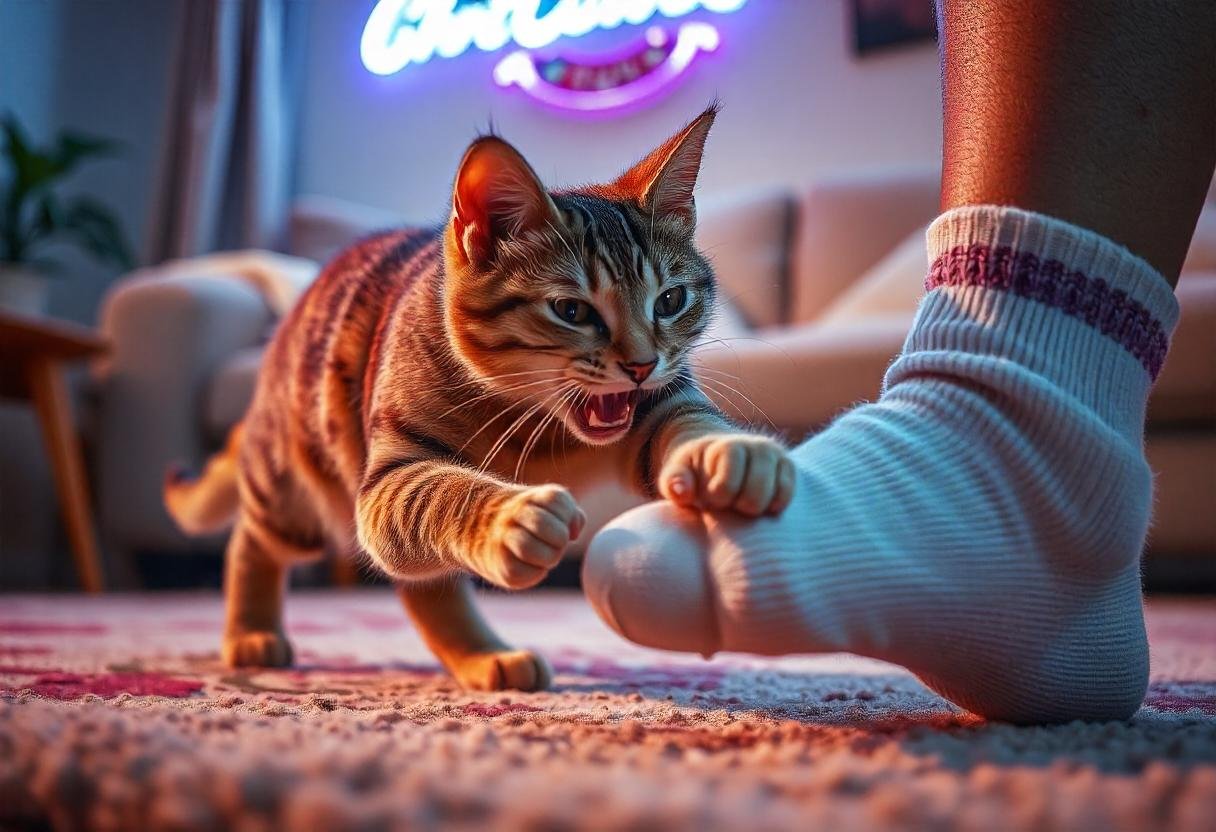
    Bringing home a new kitten is an exciting time, filled with playful antics and cuddly moments. But those adorable little paws can quickly turn into tiny teeth, capable of delivering a surprising amount of pain. Kitten biting is a common behavior, driven by their playful instincts and the urge to explore the world with their mouths. While a playful nip might seem cute at first, it’s crucial to address this behavior early on to prevent it from becoming a bigger problem.

    Understanding the Kitten’s Playful Nature

    Kittens are natural explorers, and their mouths are their primary tools for learning about their environment. They use their mouths to investigate objects, play with toys, and even interact with their human companions. Biting is a natural part of their play behavior, often used to express excitement, affection, and even a bit of mischief.

    A Case Study: The Adventures of Mittens

    Mittens, a 4-month-old tabby kitten, was a playful ball of energy, but her biting quickly became a concern for her owner, Sarah. Sarah describes Mittens’ biting as “a combination of cute and painful.”

    “Mittens loves to pounce on my hands and feet when I’m trying to pet her,” Sarah says. “She’ll often bite my fingers while playing with her toys, and it can be a bit startling when you least expect it.”

    8 Tips to Stop Kitten Biting

    While kitten biting might seem cute at first, it’s important to address this behavior early on to prevent it from becoming a bigger problem. Here are eight effective tips:

    1. Redirect Play: When your kitten bites, gently redirect their attention to a toy. Use a toy that encourages chasing and pouncing, such as a feather wand, laser pointer, or a toy mouse. This will provide them with a more appropriate outlet for their playful energy.

    A Case Study: The Power of Playtime

    Mittens, the tabby kitten who loved to bite Sarah’s hands, started to play more gently after Sarah began using interactive toys during playtime. Sarah would often hold a feather wand, letting Mittens chase it and pounce on it, redirecting her attention away from her hands.

    1. Stop Play When Overwhelmed: Watch for signs of overstimulation in your kitten, such as a tense body, flattened ears, or a wagging tail that suddenly becomes still. When you see these signals, stop the play session immediately and give your kitten a break.

    A Case Study: Recognizing Cues

    Whiskers, a 6-month-old Maine Coon kitten, was a playful but sometimes aggressive biter. His owner, David, noticed that Whiskers would often bite his hand during play sessions, especially when he was getting excited. David learned to recognize Whiskers’ signs of overstimulation, such as flattened ears and a tense body, and would stop the play session before Whiskers became too agitated.

    1. Use a High-Pitched “Ouch”: When your kitten bites, make a sharp, high-pitched “ouch” sound to startle them. This should help them understand that biting is not acceptable.

    A Case Study: The Sound of Disapproval

    Oliver, a 5-month-old Persian kitten, was a bit of a nipper, often biting his owner, Jessica, during play sessions. Jessica started using a high-pitched “ouch” sound to get Oliver’s attention. The sound would startle him and discourage him from biting.

    1. Time Outs: If your kitten continues to bite, try giving them a brief time out. Gently pick them up and place them in a designated timeout area, such as a carrier or a quiet room. Stay calm and avoid scolding them; the timeout should be a brief, neutral experience.

    A Case Study: The Timeout Technique

    Luna, the Siamese kitten who enjoyed nipping, often needed a brief timeout after her biting sessions. Sarah would gently place her in a designated quiet room, away from the excitement, for a few minutes. This helped Luna to calm down and understand that biting was not acceptable.

    1. Ignore Unwanted Behavior: When your kitten bites, avoid giving them attention or engaging in playful interactions. This can reinforce the biting behavior. Instead, simply ignore them until they calm down.

    A Case Study: The Power of Ignoring

    Whiskers, the Maine Coon kitten, loved to bite David’s hands while he was petting him. David realized that by playing with Whiskers whenever he bit, he was unintentionally reinforcing the behavior. David started to ignore Whiskers’ biting, walking away or simply turning his back until Whiskers stopped. This approach helped Whiskers learn that biting wouldn’t get him any attention.

    1. Provide Alternative Play: Offer your kitten plenty of appropriate playthings, such as interactive toys, scratching posts, and catnip mice. This will give them an outlet for their playful energy and redirect their attention away from your hands.

    A Case Study: The Importance of Enrichment

    Oliver, the Persian kitten, was often bored, leading to biting behavior. His owner, Jessica, started providing him with a variety of enrichment toys, including puzzle toys, catnip toys, and feather wands. These toys provided Oliver with a stimulating outlet for his energy, reducing his urge to bite.

    1. Keep Play Sessions Short and Sweet: Don’t overstimulate your kitten by keeping play sessions short and sweet. Limit playtime to 10-15 minutes at a time, and give your kitten a break before resuming play.

    A Case Study: The Power of Breaks

    Luna, the Siamese kitten, often became overstimulated during play sessions. Sarah started breaking up her play sessions with short breaks, allowing Luna to relax and recharge before starting to play again. This helped to prevent Luna from getting too excited and biting.

    1. Trim Your Kitten’s Claws: Regularly trimming your kitten’s claws can help reduce the pain of a bite. Use cat-specific nail clippers and be careful not to cut too close to the quick (the pink part of the nail).

    A Case Study: The Importance of Trimming

    Whiskers, the Maine Coon kitten, had particularly sharp claws. His owner, David, started trimming his claws regularly to reduce the pain of his bites. This also helped to prevent scratches.

    The Importance of Patience and Consistency

    It’s important to remember that kittens are still learning, and it takes time and patience to teach them appropriate behavior. Be consistent with your training techniques, and don’t give up if your kitten doesn’t get it right away. With time and persistence, you can help your kitten develop into a loving and playful companion.

    Conclusion:

    Kitten biting is a common behavior, but with patience and consistency, you can teach your kitten to play appropriately. By recognizing their signals, redirecting their play, and providing them with enriching toys and activities, you can create a happy and harmonious relationship with your feline friend. Remember, a well-trained kitten is a happy kitten!

  • The Mystery of the Biting Cat: Why Does My Cat Bite Me? And How to Get It to Stop

    The Mystery of the Biting Cat: Why Does My Cat Bite Me? And How to Get It to Stop

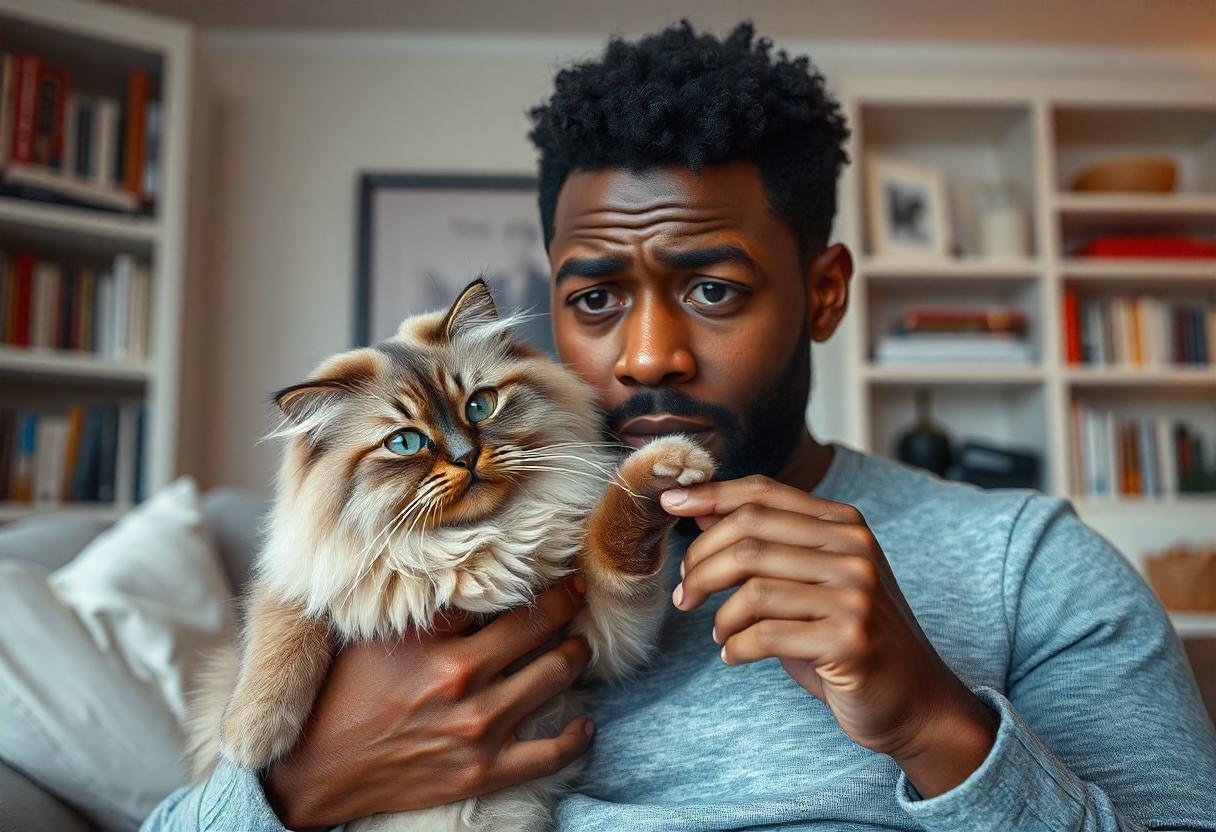
    Have you ever been innocently petting your cat, only to find yourself the target of a sudden, sharp bite? It can be a startling and sometimes painful experience, leaving you wondering what you did to deserve such a reaction. While cat bites can range from gentle nips to forceful chomps, they’re often a sign of miscommunication, a lack of understanding, or an underlying issue that needs addressing.

    Understanding the Complexities of Cat Behavior

    Cats are known for their unique communication style, which relies heavily on body language and facial expressions. They may use subtle signals to express their needs and emotions, but their communication can sometimes be misinterpreted by humans.

    A Case Study: The Playful Bite

    Luna, a 3-year-old Siamese cat, is a prime example of a cat who loves to play, but sometimes her playfulness gets a bit too rough. Her owner, Sarah, describes Luna’s biting as “a combination of adorable and slightly alarming.”

    “Luna loves to pounce on my hands and feet when I’m trying to pet her,” Sarah says. “She’s got this thing where she’ll bat my hands with her paws, and then she’ll suddenly bite them. It’s not a hard bite, but it can still be a bit painful.”

    Why Does My Cat Bite Me?

    While it might seem like your cat is simply being mischievous, there are often underlying reasons for their biting behavior.

    • Playful Aggression: Cats, being natural hunters and predators, often use biting as a form of play. They may bite during play sessions, especially if they’re feeling excited or overstimulated. This type of biting is usually gentle and accompanied by playful body language.
    • Overstimulation: If a play session becomes too intense, your cat may start biting as a way to signal that they’ve had enough. It’s important to recognize your cat’s cues and stop the play session before they become overstimulated.
    • Redirected Aggression: Cats may bite if they feel threatened or stressed. They may redirect their aggression towards you, even if you’re not the actual source of their stress.
    • Pain or Discomfort: If your cat is experiencing pain or discomfort, they may bite as a defense mechanism. This could be due to a medical condition, an injury, or even a painful grooming session.

    A Case Study: The Case of the Sore Paw

    Whiskers, a 5-year-old Maine Coon, suddenly started biting his owner, David, after he had a minor injury on his paw. David describes Whiskers’ biting as “a sharp, defensive bite.”

    “Whiskers was normally a very affectionate cat,” David says. “But after he injured his paw, he became very defensive and would bite whenever I tried to touch his foot. It was as if he was protecting his injured paw.”

    The Importance of Recognizing Signals

    Cats often use subtle signals to communicate their feelings and needs. Pay attention to your cat’s body language and facial expressions to identify any signs of discomfort or stress.

    • Body Language: Cats use their body language to communicate their emotions. For example, a cat that’s feeling relaxed may have a loose, floppy body, while a cat that’s feeling threatened may arch its back and flatten its ears.
    • Tail Movements: Cats use their tails to convey their moods. A cat with a wagging tail is often happy and playful, while a cat with a twitching tail might be nervous or anxious.
    • Facial Expressions: Cats use their facial expressions to communicate a wide range of emotions. For example, a cat that’s happy may have a relaxed face with their mouth slightly open and their eyes half-closed. A cat that’s angry or threatened may have flattened ears, narrowed eyes, and a bared mouth.

    How to Stop Your Cat from Biting

    • Redirect Play: If your cat is biting during play, redirect their attention to appropriate toys. Use interactive toys that encourage chasing and pouncing, such as feather wands, laser pointers, or catnip mice.
    • Stop Play When Overwhelmed: Watch for signs of overstimulation, such as a tense body, flattened ears, or a wagging tail that suddenly becomes still. Stop the play session immediately and give your cat a break.
    • Avoid Punishment: Never punish your cat for biting, as this can lead to fear and anxiety. Punishing your cat will likely worsen the problem and damage your bond with them.
    • Positive Reinforcement: When your cat is playing appropriately, reward them with praise, treats, or a favorite toy. This will reinforce positive behaviors and encourage them to repeat them.

    A Case Study: The Power of Positive Reinforcement

    Luna, the Siamese cat who loved to bite Sarah’s hands during play sessions, began to play more gently after Sarah started using positive reinforcement. Sarah would stop the play session immediately if Luna bit her hand, but then she’d redirect Luna’s attention to a toy and reward her with a treat when she played appropriately.

    • Consider Medical Attention: If your cat’s biting is persistent or accompanied by other signs of distress, consult a veterinarian to rule out any underlying medical conditions.

    The Importance of Understanding Cat Communication

    Cats often bite as a way to communicate, but their communication style can be quite different from ours. By understanding their body language and facial expressions, you can better recognize their needs and emotions.

    Conclusion:

    While it might seem like your cat is being mischievous when they bite you, there are often underlying reasons for this behavior. By understanding the possible causes, recognizing your cat’s communication signals, and implementing positive reinforcement techniques, you can manage biting behavior and enjoy a happy, harmonious relationship with your feline companion.

  • The Mystery of the Missing Meal: When to Worry About Your Cat Not Eating But Acting Normal

    The Mystery of the Missing Meal: When to Worry About Your Cat Not Eating But Acting Normal

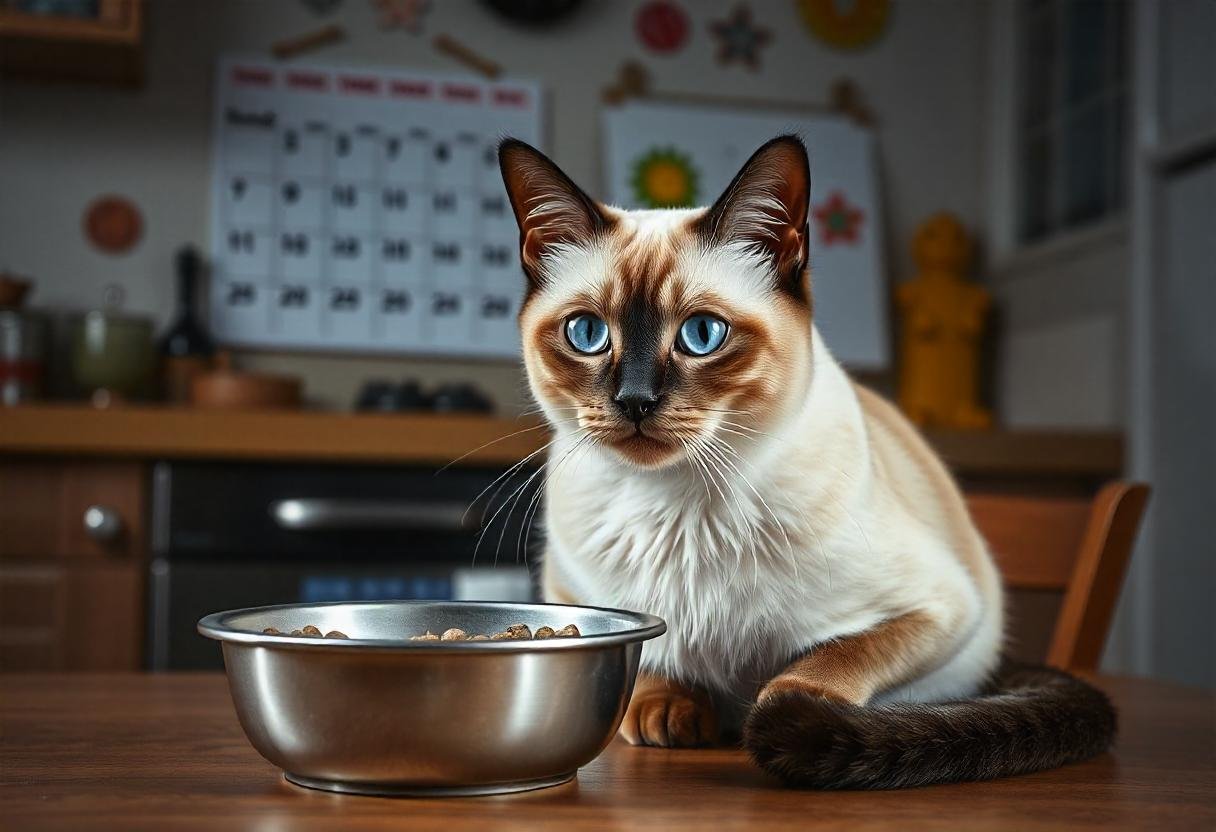
    Every cat owner knows the joy of seeing their feline friend devour a meal with gusto. It’s a sign of a happy, healthy cat. But what happens when your normally enthusiastic eater suddenly loses interest in food? It’s a situation that can make even the most experienced cat owner nervous. The real worry comes when your cat seems otherwise normal, playing, grooming, and acting like their usual self. This can make it difficult to determine if their lack of appetite is just a passing phase or something more serious.

    Understanding the Complexities of a Cat’s Appetite

    Cats, unlike dogs, are notoriously picky eaters. Their appetite can be influenced by a range of factors, including:

    • Mood: Just like humans, cats can experience changes in mood, leading to fluctuations in their appetite. They may eat less if they’re stressed, anxious, or simply not feeling well.
    • Environment: Changes in their environment, such as a new pet, a move, or even a change in routine, can affect their appetite. A cat might be less inclined to eat if they feel stressed or insecure.
    • Individual Preferences: Cats have distinct taste preferences. They may prefer certain foods or brands over others, and they may lose interest in food if they become bored with their regular diet.

    A Case Study: Luna’s Picky Eating

    Luna, a 3-year-old Siamese cat, has always been a bit of a picky eater. Her owner, Sarah, describes Luna’s appetite as “unpredictable.”

    “Luna will often go days without eating her regular food,” Sarah says. “She’s very picky, and she only eats what she wants. If she doesn’t like a particular food, she’ll simply refuse to eat it, even if she’s hungry.”

    When Not Eating Becomes a Concern

    While it’s normal for cats to have occasional fluctuations in their appetite, there are certain signs that should raise a red flag, especially when your cat is otherwise acting normal.

    • Duration: If your cat has gone more than 24 hours without eating, it’s time to be concerned. Cats, unlike humans, can’t go for extended periods without food due to their smaller body size and faster metabolism.
    • Changes in Behavior: While your cat may appear playful and active, other subtle changes in behavior can indicate a problem. Pay attention to any:
      • Increased lethargy
      • Excessive sleeping
      • Lack of interest in toys
      • Changes in vocalization
      • Hiding or withdrawing
    • Physical Signs: Look out for any physical signs that might indicate an issue:
      • Vomiting
      • Diarrhea
      • Weight loss
      • Changes in bowel movements
      • Excessive thirst

    A Case Study: Whiskers’ Sudden Change

    Whiskers, a 5-year-old Maine Coon, was normally a big eater, but his owner, David, noticed a sudden change in his behavior. Whiskers stopped eating his regular food, but he was otherwise playful and active. However, David also noticed that Whiskers was sleeping more than usual and seemed less interested in playing.

    “It was worrying to see Whiskers suddenly lose his appetite,” David says. “He was still playful and seemed fine, but he wasn’t eating anything. That’s when I decided to take him to the vet.”

    The Importance of a Veterinary Checkup

    If your cat hasn’t eaten for more than 24 hours, or if you notice any concerning changes in their behavior or physical signs, it’s crucial to schedule a veterinary appointment immediately.

    A veterinarian can examine your cat, perform tests if necessary, and determine the underlying cause of the lack of appetite. Possible causes could include:

    • Medical Conditions: Several medical conditions can cause a loss of appetite in cats, including:
      • Dental Issues: Dental problems, such as tooth decay, gum disease, or broken teeth, can make it painful for cats to eat.
      • Gastrointestinal Issues: Gastrointestinal issues, such as inflammation of the stomach or intestines, can lead to nausea and decreased appetite.
      • Kidney Disease: Kidney disease can lead to a loss of appetite, as well as excessive thirst and changes in urination.
      • Liver Disease: Liver disease can also cause loss of appetite, as well as jaundice and weight loss.
      • Diabetes: Diabetes can lead to excessive thirst, weight loss, and a change in appetite.
    • Stress and Anxiety: Stress and anxiety can also lead to a decrease in appetite. This can be caused by changes in the environment, such as a new pet, a move, or even a change in routine.
    • Dietary Changes: Cats are sensitive to changes in their diet. If you’ve recently switched food brands or types, your cat might be rejecting the new food.

    Managing Loss of Appetite

    Once a veterinarian has diagnosed the cause of your cat’s loss of appetite, they can recommend a treatment plan.

    • Medical Treatment: If the cause is a medical condition, treatment will focus on addressing the underlying issue. This might involve medications, surgery, or dietary changes.
    • Stress Management: If stress or anxiety is the culprit, the veterinarian might recommend environmental enrichment, calming pheromone diffusers or sprays, or behavioral modification techniques.
    • Dietary Adjustments: If your cat is rejecting their current food, your veterinarian may recommend switching to a different food brand or type. You might also try enticing them to eat by adding a small amount of wet food or meat-based broth to their dry food.

    Encouraging Your Cat to Eat

    • Warm Food: Warm food tends to have a more appealing aroma, which might entice your cat to eat.
    • Hand Feeding: Some cats are more likely to eat if hand-fed. Offer them a small amount of food in your hand, or try using a syringe to administer food if necessary.
    • Changing Food Texture: If your cat is eating dry food, try offering them a small amount of wet food to see if they’re more inclined to eat. You can also try mixing wet food with dry food to create a more palatable texture.

    Conclusion:

    A cat’s loss of appetite, especially when they’re otherwise acting normal, can be a cause for concern. It’s essential to consult a veterinarian to rule out any underlying medical conditions. By understanding the possible causes and following your vet’s recommendations, you can help your cat get back to enjoying their meals and maintain their overall health and well-being. Remember, a healthy appetite is a sign of a happy and healthy cat!

  • The Cat’s Curious Chatter: What Is Cat Chattering & Why Do They Do It?

    The Cat’s Curious Chatter: What Is Cat Chattering & Why Do They Do It?

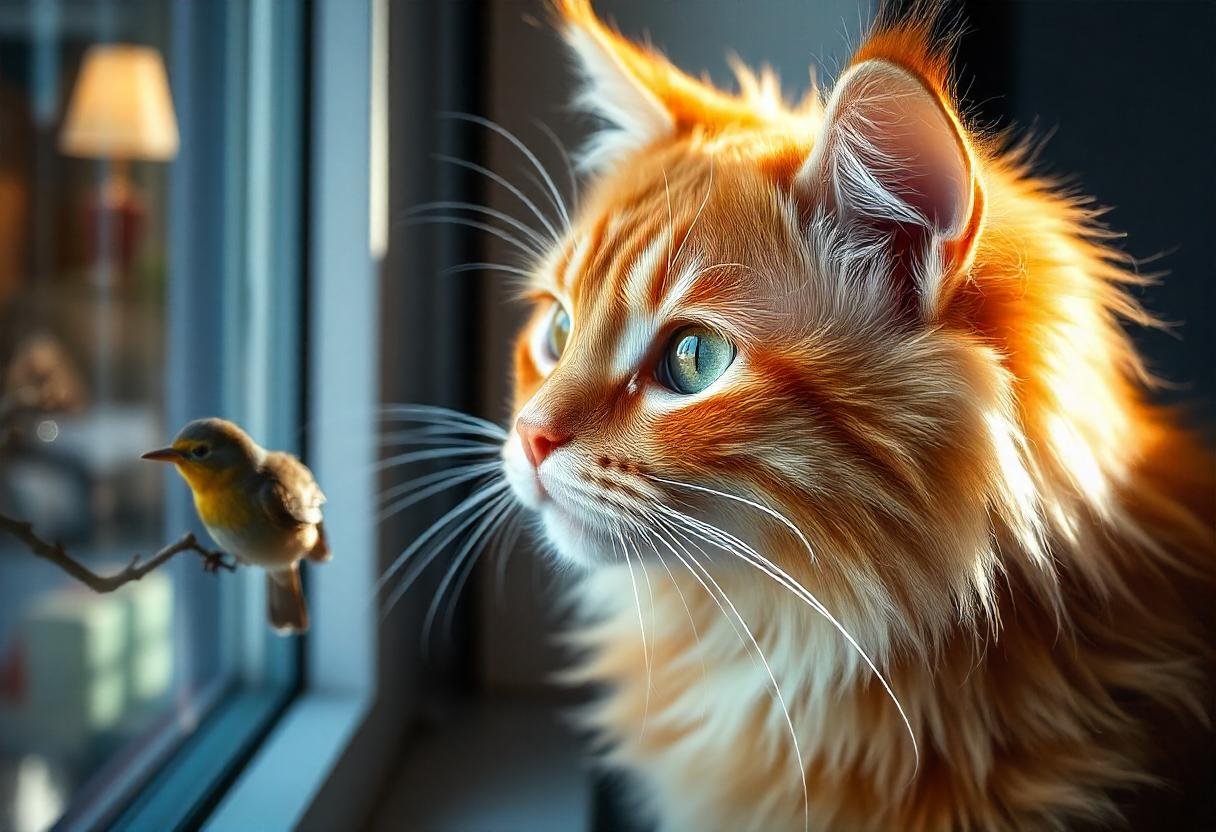
    Ever heard your cat making a series of rapid, clicking sounds, almost like a bird chirping or a machine gun firing? This unusual vocalization, known as cat chattering, is often accompanied by a wide-eyed, intense stare at a specific object, usually something moving outside a window. While it might sound like a strange and sometimes comical behavior, cat chattering is actually a fascinating, instinctual response with a specific purpose.

    Understanding the Sounds of a Cat

    Cats are known for their unique communication style, using a range of vocalizations to convey their emotions and needs. These sounds include meows, purrs, hisses, growls, and, of course, chattering.

    • Meows: Meows are typically used to communicate with humans, often to demand attention, food, or playtime.
    • Purrs: Purrs are a sign of contentment and relaxation, often heard when a cat is happy or feeling secure.
    • Hisses and Growls: Hisses and growls are warning signals used to express fear or aggression, often directed towards perceived threats.

    Cat Chattering: A Closer Look

    Cat chattering, also known as “chirping,” “twittering,” or “clicking,” is a distinct type of vocalization that’s characterized by a series of rapid, repetitive sounds. These sounds are often high-pitched and can be heard for short bursts or even for extended periods.

    What Causes Cat Chattering?

    Cat chattering is often associated with the following reasons:

    • Hunting Instinct: One of the most common explanations for cat chattering is that it’s related to their hunting instincts. Cats, being natural predators, often focus intently on prey, and this focused attention may lead to chattering.

    A Case Study: The Birdwatcher

    Luna, a 3-year-old Siamese cat, is known for her fascination with birds. Her owner, Sarah, describes Luna’s chattering as “a series of rapid clicks, almost like a machine gun firing.”

    “Luna loves to watch birds outside the window,” Sarah says. “She’ll sit there for hours, staring intently at them, and often start chattering. It’s almost as if she’s trying to lure them closer.”

    • Prey Stimulation: Another explanation for cat chattering is that it’s a form of prey stimulation. The rapid clicking sounds might be a way for cats to simulate the sound of a small animal, such as a bird, mouse, or insect, making them feel as if they’re engaging in a virtual hunt.

    A Case Study: The Imaginary Mouse Hunter

    Max, a 5-year-old tabby cat, often chatters while staring at a specific spot on the wall, even when there’s no visible prey. His owner, David, describes Max’s chattering as “a series of rapid clicks, almost like he’s talking to himself.”

    “Max will often sit in front of the wall and start chattering,” David says. “It’s almost as if he’s imagining a mouse behind the wall, and he’s trying to lure it out.”

    • Communication: While it’s not fully understood, some experts believe that cat chattering might be a form of communication. They theorize that cats might use chattering to communicate with other cats, either to share information about prey or to signal their presence.

    A Case Study: The Communicator

    Oliver, a 4-year-old Persian cat, often chatters when he’s interacting with other cats. His owner, Jessica, describes Oliver’s chattering as “a series of soft clicks that he seems to use to signal his interest.”

    “Oliver loves to play with other cats,” Jessica says. “He’ll often use chattering to signal his desire to play or to show them that he’s interested in their presence.”

    • Excitement and Stimulation: Cats may also chatter when they’re feeling excited or stimulated. This is especially common when they’re watching something moving outside a window or when they’re involved in a particularly engaging play session.

    How to Interpret Cat Chattering

    While cat chattering might sound odd, it’s generally a harmless behavior. It’s often a sign of your cat’s natural hunting instincts and their curiosity about the world around them. However, if you notice any other unusual behaviors, such as excessive vocalization, aggression, or a change in eating habits, it’s essential to consult a veterinarian to rule out any underlying medical conditions.

    Conclusion:

    Cat chattering is a fascinating behavior, often related to a cat’s hunting instincts and their curiosity about the world around them. While it might sound strange, it’s generally harmless and a testament to their unique personality. By understanding the reasons behind this behavior and engaging in interactive play with your cat, you can foster a healthy and fulfilling relationship with your feline companion.

  • The Nightly Serenade: Why Does My Cat Meow At Night?

    The Nightly Serenade: Why Does My Cat Meow At Night?

    Ever woken up in the middle of the night to the sound of your cat’s persistent meows, demanding your attention in the quiet hours? You’re not alone. Many cat owners find themselves perplexed and sometimes frustrated by their cat’s nocturnal vocalizations. While it might seem like a mischievous attempt to disrupt your sleep, your cat’s nighttime meows are usually a sign of an unmet need, a desire for interaction, or occasionally something worth getting checked out by a vet.

    This guide walks through the real reasons cats meow at night, how to tell one cause from another, and what actually works to bring some quiet back to your household — without ignoring your cat’s genuine needs in the process.

    Understanding the Cat’s Communication Style

    Cats have a genuinely rich communication style, using a combination of vocalizations, body language, and facial expressions to convey their needs and emotions. Meowing, specifically, is a behavior that’s largely reserved for communicating with humans rather than other cats — adult cats rarely meow at one another the way kittens meow at their mothers. In other words, when your cat meows at you, she’s speaking a language she’s essentially developed specifically for your benefit.

    Meows serve a wide range of purposes: requesting food, seeking attention, asking to be let into or out of a room, greeting you, or expressing discomfort. The pitch, length, and urgency of a meow often carry real information, and owners who spend enough time with a particular cat often learn to distinguish a “feed me” meow from a “let’s play” meow from a “something’s wrong” meow, even without consciously trying to.

    A Case Study: The Chatty Cat

    Luna, a 3-year-old Siamese cat, is a prime example of a cat who loves to chat. Her owner, Sarah, describes Luna’s meowing as “a constant stream of meows, chirps, and trills.”

    “Luna meows for everything,” Sarah says. “She meows for food, for attention, for playtime, and even just to say hello. She’s incredibly vocal, especially in the evenings.” Siamese cats, along with several other Oriental breeds, have a well-earned reputation for being unusually talkative compared to many other breeds, so Luna’s chattiness is partly just a breed trait layered on top of her individual personality.

    Why Does My Cat Meow at Night?

    While cats might seem to enjoy a good nighttime serenade, there’s almost always a real reason behind their nocturnal vocalizations, even when that reason isn’t immediately obvious to a tired owner at 3 a.m. Here are the most common explanations, along with what tends to distinguish one from another.

    Hunger and Natural Activity Patterns

    Cats are crepuscular animals, meaning they’re naturally most active during the dawn and dusk hours rather than being either purely nocturnal or purely daytime creatures. This activity pattern traces back to their wild ancestors’ hunting habits, since dawn and dusk are prime hunting times for the small prey that made up a wild cat’s natural diet. Domestic cats retain much of this instinct even generations removed from any actual hunting need, which is part of why so many indoor cats seem to get a sudden burst of energy — sometimes called the “witching hour” — right around the time their owners are trying to wind down for the night.

    If your cat’s mealtime falls close to these naturally active hours, or if she’s simply hungry during the night because her last meal was many hours earlier, meowing becomes a very direct, effective way of letting you know it’s time to eat.

    A Case Study: The Hungry Hunter

    Whiskers, a 4-year-old Maine Coon, is a big fan of late-night snacks. His owner, David, describes Whiskers’ meowing as “a gentle, persistent meow, like a child asking for dessert.”

    “Whiskers typically starts meowing around midnight, often right before his scheduled feeding time,” David says. “He knows when it’s almost time for his late-night snack, and he’ll let me know it’s time to get up and fill his bowl.” David eventually realized that Whiskers had essentially trained his internal clock around a slightly inconsistent feeding schedule, and once David shifted to a firm, consistent feeding time closer to David’s own bedtime, the midnight requests became noticeably less frequent.

    Boredom and Attention-Seeking

    Cats are social creatures who crave interaction, even the more independent-seeming breeds. If your cat is understimulated during the day, whether from a lack of playtime, insufficient environmental enrichment, or simply spending long hours alone while you’re at work, nighttime can become the moment she finally has your undivided attention and decides to make full use of it.

    This is especially common in households where the evening includes a predictable window of togetherness, like cuddling on the couch or watching television, followed by a sudden shift when everyone goes to bed. From the cat’s perspective, that transition can feel abrupt, and meowing becomes a way of asking for the interaction to continue.

    A Case Study: The Playful Companion

    Oliver, a 2-year-old Persian cat, is a social butterfly who enjoys spending time with his owner, Michael. Michael describes Oliver’s meowing as “a playful, demanding meow, like a child wanting to play a game.”

    “Oliver is incredibly social,” Michael says. “He loves to cuddle and play, and he often meows at night to get my attention. He seems to miss the time we spent together in the evenings, and he’ll meow until I engage with him.” Michael eventually noticed that on nights when he’d fit in a solid fifteen-minute play session before bed, Oliver’s nighttime meowing dropped off noticeably compared to nights when the day had been more rushed and playtime got skipped entirely.

    Stress and Anxiety

    Cats may also meow at night when they’re stressed or anxious, and this type of vocalization often sounds noticeably different from a routine, matter-of-fact request for food or play. Stress-related meowing can be triggered by environmental changes (a move, new furniture, a renovation), the addition or loss of another pet or family member, changes in routine, or even changes as subtle as a rearranged room.

    A Case Study: The Anxious Meow

    Luna, the Siamese cat mentioned earlier, started meowing excessively at night after her owner, Sarah, moved to a new apartment. Sarah describes Luna’s meowing during this period as “a high-pitched, almost desperate meow, like she’s calling for help.”

    “Luna was incredibly stressed after the move,” Sarah says. “She spent days hiding in her carrier and only came out to eat. Her meowing seemed to be a way for her to cope with her anxiety and fear.” This kind of vocal change, especially paired with hiding behavior and a shift in appetite, is a fairly classic stress response to a major environmental disruption, and it typically eases as the cat gradually acclimates to the new normal, especially with some deliberate support from the owner.

    Medical Conditions

    In some cases, meowing at night can be a sign of an underlying medical condition rather than a purely behavioral issue, and this possibility becomes more important to rule out the older a cat gets or the more sudden and out-of-character the vocal change seems.

    Hyperthyroidism

    An overactive thyroid gland is one of the more common medical causes of increased nighttime vocalization in middle-aged and senior cats. Hyperthyroidism speeds up metabolism, often leading to increased appetite alongside weight loss, restlessness, and noticeably increased vocalization, including at night. It’s typically diagnosed through a simple blood test and is generally very manageable with medication, dietary management, or other treatment options once identified.

    Kidney Disease

    Chronic kidney disease, common in aging cats, can also contribute to nighttime restlessness and vocalization, sometimes tied to increased thirst, changes in litter box habits, or general discomfort. Routine senior bloodwork is the most reliable way to catch this early, often before behavioral symptoms become pronounced.

    High Blood Pressure

    Hypertension, which can occur on its own or secondary to conditions like kidney disease or hyperthyroidism, can cause restlessness and behavioral changes, including increased vocalization, and is generally checked through a simple, non-invasive blood pressure measurement at the vet’s office.

    Feline Cognitive Dysfunction

    Often compared to dementia in humans, feline cognitive dysfunction becomes more common in cats as they age into their senior and geriatric years, typically starting to show up somewhere around eleven to twelve years old and becoming more common with each additional year of age. Affected cats often vocalize more at night, sometimes described by owners as loud, seemingly aimless yowling rather than the more purposeful sound of a request-driven meow. This condition often comes with other signs too, including disorientation, changes in sleep-wake cycles, reduced interest in previously enjoyed activities, and sometimes house-soiling outside a previously reliable litter box routine.

    Pain and Discomfort

    Arthritis, dental pain, or other sources of chronic discomfort can also drive increased nighttime vocalization, particularly since nighttime often means less distraction and more time for a cat to simply notice and react to ongoing discomfort. Because cats are naturally skilled at masking pain during active daytime hours, nighttime vocalization can sometimes be one of the more visible clues that something is bothering them physically.

    Sensory Decline

    Hearing loss or vision loss, both increasingly common in senior cats, can lead to increased vocalization, particularly at night when a cat with reduced senses may feel more anxious or disoriented navigating a dark, quiet home. Cats experiencing hearing loss also sometimes vocalize louder than they realize, simply because they can no longer accurately gauge their own volume.

    Urinary Tract Issues

    Cats with urinary tract infections or other urinary discomfort may vocalize more, sometimes specifically around the litter box or during urination, which is worth watching for as a distinguishing pattern from more generalized nighttime restlessness.

    Aging and Nighttime Vocalization: A Closer Look

    Because so many of the medical causes above cluster around aging, it’s worth addressing senior cat vocalization as its own category rather than folding it entirely into “medical conditions” as a vague catch-all. As cats age, sleep-wake cycles often shift, sometimes resulting in more daytime napping and more nighttime wakefulness, a pattern that can happen even in the absence of a specific diagnosable disease, simply as part of normal aging. Combined with any of the medical possibilities discussed above, this makes senior cats disproportionately likely to develop new or worsening nighttime vocalization compared to younger adult cats, and it’s part of why any sudden vocal change in an older cat deserves a veterinary visit rather than being written off as “just getting old.”

    Unspayed or Unneutered Cats and Nighttime Vocalization

    It’s worth mentioning a cause that’s easy to overlook in an otherwise health- and behavior-focused discussion: intact (unspayed or unneutered) cats can vocalize loudly and persistently, especially at night, as part of normal mating-related behavior. Female cats in heat often produce a distinctive, prolonged yowling sound, while intact males may vocalize in response to a female in heat nearby, even through walls or across some distance outdoors. If your cat hasn’t been spayed or neutered and the vocalization pattern seems tied to a cyclical pattern or coincides with the presence of other cats nearby, this is worth discussing with your veterinarian, since spaying or neutering typically resolves this specific cause of vocalization entirely.

    How to Address Nighttime Meows

    Step One: Identify the Cause

    The first and most important step in addressing nighttime meows is figuring out which of the causes above actually applies to your specific cat, since the right solution depends entirely on the underlying reason. Ask yourself: Is this new behavior, or has it always happened? Did it start around a specific event, like a move or a schedule change? Does it happen at a consistent time, like right before a meal? Is my cat older, and could this be tied to age-related changes? Answering these questions honestly is often enough to point toward the most likely explanation before you even need to change anything.

    Step Two: Rule Out Medical Causes First

    If there’s any possibility a medical condition is involved — especially in a senior cat, or if the vocalization is a new and sudden change rather than a longstanding pattern — a veterinary visit should come before trying behavioral interventions. Treating an underlying medical issue often resolves the vocalization far more effectively (and more kindly) than trying to train away a symptom that’s actually rooted in physical discomfort or illness.

    Step Three: Address Hunger-Related Meowing

    • Adjust feeding times so the last meal of the evening falls closer to your own bedtime, reducing the gap during which your cat is likely to feel hungry overnight.
    • Consider a timed automatic feeder for a small, scheduled overnight or early-morning meal, which can satisfy hunger-driven meowing without requiring you to personally get up and serve it.
    • Split meals into smaller, more frequent portions throughout the day and evening rather than one or two large meals, which can help prevent the kind of pronounced hunger dip that often triggers nighttime requests.

    Step Four: Address Boredom and Attention-Seeking

    • Engage in active playtime before bedtime. A solid ten to twenty minutes of vigorous play, ideally with a wand toy or something that mimics prey movement, can genuinely tire a cat out in a way that promotes better nighttime sleep, much like Michael discovered with Oliver.
    • Provide daytime enrichment so your cat isn’t saving up a full day’s worth of pent-up energy and social need for the exact moment you’re trying to sleep. Puzzle feeders, window perches, and rotating toy selections all help fill this gap.
    • Establish a consistent evening wind-down routine that clearly signals bedtime is approaching, which can help your cat adjust her own expectations around when the interactive part of the evening ends.

    Step Five: Address Stress and Anxiety

    • Create a calm, predictable environment, minimizing sudden changes where possible and introducing necessary changes (new furniture, a new pet) as gradually as circumstances allow.
    • Provide plenty of hiding spaces so an anxious cat has somewhere to retreat and feel secure, rather than being forced to remain in the open when stressed.
    • Consider calming pheromone diffusers or sprays, which mimic natural feline facial pheromones and can help some cats feel more settled in their environment, particularly during a period of transition.
    • Maintain consistency in feeding, play, and general routine as much as possible, since predictability itself tends to reduce anxiety in cats even when the underlying stressor (like a recent move) can’t be undone.

    A Case Study: The Power of Routine

    Luna, the Siamese cat who was meowing excessively after moving, started to settle down after Sarah established a consistent routine for her. Sarah made sure to feed Luna at the same time each day, provide regular playtime, and offer a comfortable, quiet place to sleep away from the busiest parts of the new apartment. These changes helped Luna feel more secure in her new environment, and within a few weeks, her excessive nighttime meowing had largely subsided, replaced by her usual chatty-but-manageable vocal style.

    Step Six: Establish a Consistent Feeding Schedule

    Feeding your cat at the same times each day, and adjusting the timing of the final meal as needed based on when nighttime meowing tends to occur, helps regulate hunger cues and reduces the likelihood of food-driven nighttime requests becoming a persistent habit.

    Step Seven: Engage in Playtime Before Bedtime

    As covered above, active play before bed helps burn off pent-up energy and satisfies social needs in a way that’s far more effective, and more enjoyable for both of you, than trying to ignore or punish nighttime meowing after the fact.

    Step Eight: Provide a Comfortable Sleeping Spot

    Make sure your cat has access to a comfortable, quiet sleeping space, whether that’s a dedicated cat bed, a cozy corner of the couch, or a cat tree perch. Some cats sleep more soundly, and vocalize less, when they have a consistent, secure spot rather than wandering the house overnight without a clear resting place.

    When to See a Veterinarian

    While plenty of nighttime meowing is behavioral and manageable through the steps above, certain signs warrant a veterinary visit sooner rather than later:

    • A sudden change in vocalization pattern, especially in a cat that hasn’t historically been particularly vocal
    • Vocalization in a senior cat (roughly eleven years or older), given how common age-related medical causes become in this group
    • Vocalization accompanied by other symptoms, such as changes in appetite, weight loss, increased thirst, litter box changes, or visible discomfort
    • Yowling that sounds distressed, confused, or disoriented rather than purposeful and request-driven
    • Any vocalization that seems tied to using the litter box, which can point toward a urinary issue

    A veterinarian can run appropriate bloodwork, check blood pressure, and perform a physical exam to rule in or out the medical possibilities discussed earlier in this guide, giving you a much clearer picture of whether you’re dealing with a behavioral pattern or something that needs direct medical treatment.

    Helpful Products and Tools

    Automatic Feeders

    For hunger-driven nighttime meowing, a programmable automatic feeder can dispense a small overnight or early-morning meal without requiring you to wake up, directly addressing the root cause without disrupting your own sleep.

    Interactive and Puzzle Toys

    Toys that encourage independent play during the day, including puzzle feeders and battery-operated toys that activate periodically, can help fill enrichment gaps for cats left alone during work hours, reducing pent-up need for attention by the time evening rolls around.

    Calming Diffusers and Sprays

    Pheromone-based calming products can be a useful supplementary tool for anxiety-related vocalization, though they work best alongside the broader environmental and routine changes discussed earlier rather than as a standalone fix.

    Window Perches and Enrichment Furniture

    Providing a stimulating daytime environment — window views, climbing opportunities, scratching posts — helps address boredom at its source rather than only managing the nighttime symptom after the fact.

    Common Mistakes Owners Make

    Feeding a Cat Immediately When It Meows at Night

    While understandable in the moment, immediately getting up and feeding a cat every time it meows at night can inadvertently reinforce the exact behavior you’re trying to reduce, since the cat quickly learns that nighttime meowing reliably produces food. Shifting meal timing proactively, rather than reactively responding to nighttime demands, tends to work better long-term.

    Ignoring a Sudden Behavior Change in a Senior Cat

    Assuming that increased vocalization in an older cat is simply a normal, harmless part of aging can delay diagnosis of treatable conditions like hyperthyroidism, kidney disease, or hypertension, all of which respond well to treatment when caught early.

    Punishing Vocalization

    Yelling at, spraying with water, or otherwise punishing a meowing cat tends to increase stress and anxiety rather than resolving the underlying cause, and can damage trust in the human-cat relationship without actually addressing why the cat was vocalizing in the first place.

    Assuming It’s “Just Attention-Seeking” Without Investigating Further

    While attention-seeking is a genuine and common cause, assuming this is always the explanation without considering medical causes, especially in older cats or cats showing a sudden change in behavior, risks missing a treatable underlying condition.

    Nighttime Meows: A Sign of Communication

    It’s worth remembering that meowing is a completely normal cat behavior, even when it’s disruptive to your sleep. By understanding the reasons behind the behavior and addressing the underlying issue directly, rather than trying to simply suppress the sound itself, you can help your cat communicate her needs effectively while working toward a more peaceful night’s sleep for everyone in the household. Pay attention not just to the sound itself but to your cat’s broader body language and behavior patterns around the vocalization, since these details often hold the real clues to what’s actually going on.

    Frequently Asked Questions

    Is it normal for cats to meow more as they get older? Some increase in vocalization can be a normal part of aging, but a significant or sudden change should always be evaluated by a veterinarian, since several treatable medical conditions become more common in senior cats and often present with increased nighttime vocalization.

    Should I ignore my cat’s nighttime meowing completely? Not necessarily. While responding immediately to every meow can reinforce attention-seeking behavior, completely ignoring vocalization without addressing the underlying cause isn’t a solution either, especially if a genuine need (hunger, medical discomfort, anxiety) is going unmet.

    Can neutering or spaying reduce nighttime meowing? Yes, in cases where vocalization is tied to mating-related behavior in an intact cat, spaying or neutering typically resolves this specific cause of nighttime vocalization.

    How long does it take for behavioral changes to reduce nighttime meowing? This varies by cat and by cause, but many owners notice improvement within one to three weeks of consistently implementing changes like adjusted feeding schedules and increased evening playtime, as seen in both Whiskers’ and Oliver’s stories.

    Can certain cat breeds be more vocal at night than others? Yes. Breeds like the Siamese, along with other Oriental breeds, are well known for being more vocal overall, which can extend into more frequent nighttime meowing compared to naturally quieter breeds, independent of any underlying behavioral or medical cause.

    What does it mean if my cat’s nighttime meow sounds different from usual? A change in the tone, pitch, or urgency of vocalization — particularly something that sounds more distressed, confused, or unusual compared to your cat’s normal vocal repertoire — is worth paying close attention to and can be a meaningful clue for your veterinarian if further evaluation becomes necessary.

    Is nighttime meowing more common in single-cat households? It can be, particularly when the cause is boredom or attention-seeking, since a single cat without feline companionship relies entirely on human interaction for social engagement, making the evening transition to bedtime a more noticeable shift.

    Can diet changes help reduce hunger-related nighttime meowing? Yes. Feeding a slightly larger or more protein-rich meal in the evening, or splitting food into more frequent smaller portions throughout the day, can help some cats feel more satiated through the night, reducing hunger-driven vocalization.

    The Science Behind Cat Vocalizations

    Why Cats Meow at Humans but Not Each Other

    Interestingly, research into feline communication suggests that adult cats largely reserve meowing for interactions with humans rather than other cats, using a range of other signals — scent marking, body posture, and more subtle vocalizations like chirps and trills — to communicate with fellow felines. This suggests that cats have essentially adapted meowing over generations of domestication specifically as a tool for communicating with the humans they live alongside, which is part of why meowing can feel so deliberately directed at you rather than a generic background noise.

    How Meow Characteristics Convey Meaning

    Studies on cat vocalization have found that humans, even without formal training, are often able to distinguish between different types of meows based on characteristics like pitch, duration, and urgency, correctly guessing whether a meow indicates hunger, distress, or a simple greeting more often than pure chance would suggest. This supports what many long-term cat owners already intuitively know: meows really do carry distinguishable information, even if it takes some time living with a specific cat to become fluent in her particular vocal patterns.

    The Role of Learned Behavior

    Cats are also remarkably good at learning which vocalizations get results with a specific owner, meaning that a cat’s “vocabulary” of meows can be shaped over time by how consistently an owner responds to different sounds. This is part of why addressing the underlying cause of nighttime meowing, rather than simply reacting to the sound itself, matters so much for long-term behavior change — cats are actively learning from your responses, for better or worse.

    Building an Evening Routine That Prevents Nighttime Meowing

    A Sample Evening Schedule

    Pulling together several of the strategies discussed throughout this guide, here’s what an effective evening routine might look like in practice:

    • Early evening: A substantial play session, ideally involving active chasing and pouncing rather than passive toys, to help work off pent-up energy from the day
    • Dinner: A larger or more substantial meal timed closer to your own bedtime than to earlier in the evening, helping bridge the overnight hunger gap
    • Wind-down time: A period of calm interaction — petting, quiet time together — that signals the transition from active play toward rest
    • Bedtime: Access to a comfortable, familiar sleeping area, with environmental factors (temperature, noise, litter box cleanliness) checked and addressed

    Consistency Matters More Than Perfection

    Cats thrive on predictability, and a routine followed consistently, even if it’s not perfectly optimized, tends to produce better results than an inconsistent routine that changes from night to night. Give any new routine at least one to two weeks before judging whether it’s working, since behavioral changes rarely resolve overnight.

    Nighttime Meowing in Multi-Cat Households

    Identifying Which Cat Is Vocalizing

    In homes with multiple cats, it can sometimes be tricky to identify exactly which cat is responsible for nighttime meowing, especially if cats sleep in different rooms or the sound carries through a shared space. Spending an evening specifically observing (or setting up a simple pet camera) can help clarify which cat needs attention before you can address the underlying cause effectively.

    Social Dynamics and Vocalization

    Sometimes nighttime meowing in a multi-cat household reflects social tension between cats rather than a need directed at the human members of the household — one cat may be blocking another’s access to food, litter boxes, or preferred resting spots, leading to stress-related vocalization that looks similar to other anxiety-driven meowing but stems from a different root cause. Ensuring adequate resources (multiple litter boxes, feeding stations, and resting areas) spread throughout the home can help reduce this particular source of nighttime disruption.

    The Difference Between Meowing, Yowling, and Chirping

    Meowing

    The classic, most familiar vocalization, typically used for general requests and communication, varying widely in pitch and duration depending on the specific message being conveyed.

    Yowling

    A longer, more drawn-out, often louder vocalization, frequently associated with distress, disorientation (as seen in cognitive dysfunction), or mating-related behavior in intact cats. Yowling tends to sound more urgent and less purposeful than a typical request-driven meow.

    Chirping and Trilling

    Shorter, more melodic sounds often used as greetings or expressions of excitement, frequently observed when a cat is watching birds through a window or greeting a favorite person. These sounds are generally not associated with distress and don’t typically require the same level of concern as excessive yowling.

    Understanding which category your cat’s nighttime vocalization falls into can help you (and your veterinarian, if needed) narrow down the likely underlying cause more efficiently.

    Age-by-Age Guide to Nighttime Vocalization

    Kittens

    Young kittens may vocalize at night simply due to normal exploratory behavior and a still-developing sleep schedule, which typically settles as they mature and adjust to household routines over the first several months.

    Young to Middle-Aged Adults

    This is the age range where behavioral causes — hunger, boredom, attention-seeking, and stress — are most likely to explain nighttime vocalization, since medical causes tied to aging are generally less common in this group, though certainly still possible.

    Senior and Geriatric Cats

    As discussed earlier in this guide, cats roughly eleven years and older face a meaningfully higher likelihood of medical causes contributing to nighttime vocalization, making veterinary evaluation an especially important first step for this age group rather than jumping straight to behavioral interventions.

    A Deeper Look at Feline Cognitive Dysfunction

    Because cognitive decline is one of the more commonly overlooked causes of nighttime vocalization in older cats, it’s worth spending additional time on what it actually looks like and how it’s managed.

    Recognizing the Signs

    Beyond increased nighttime vocalization, feline cognitive dysfunction often presents with a cluster of related changes: disorientation in familiar spaces, altered interactions with family members (either increased clinginess or withdrawal), changes in sleep-wake cycles that flip a cat’s activity pattern, house-soiling in a previously reliable cat, and reduced responsiveness to previously learned cues or routines. Veterinarians sometimes use the acronym DISHA (Disorientation, Interaction changes, Sleep-wake cycle changes, House-soiling, Activity changes) as a memory aid for recognizing this cluster of symptoms.

    Diagnosis and Management

    There’s no single definitive test for feline cognitive dysfunction; instead, veterinarians typically diagnose it by ruling out other medical causes (through bloodwork, blood pressure checks, and a physical exam) and evaluating the pattern of symptoms against what’s typically seen with cognitive decline. While there’s no cure, management often includes environmental enrichment, consistent routines, dietary support with certain supplements shown to support brain health, and in some cases, medication to help manage anxiety or sleep disruption specifically.

    Supporting a Cat with Cognitive Decline

    Keeping a consistent daily routine, avoiding unnecessary environmental changes, providing nightlights in key areas to reduce disorientation in the dark, and maintaining easily accessible litter boxes, food, and water can all help minimize distress and nighttime vocalization in a cat experiencing cognitive changes.

    How Environmental Enrichment Reduces Nighttime Vocalization

    Vertical Space and Climbing Opportunities

    Cats that have access to climbing structures, window perches, and varied vertical space throughout the home tend to have more opportunities for natural exploratory behavior during the day, which can meaningfully reduce pent-up energy that might otherwise surface as nighttime restlessness and vocalization.

    Rotating Toys to Maintain Novelty

    Cats can become bored with the same toys left out day after day. Rotating a small selection of toys every week or two, rather than leaving everything accessible all the time, helps maintain novelty and interest, supporting more consistent daytime engagement.

    Food-Based Enrichment

    Puzzle feeders and treat-dispensing toys tap into a cat’s natural foraging instincts, providing mental stimulation alongside the physical activity of working to access food. This kind of enrichment can be particularly useful for cats left alone during work hours, helping fill the day with engagement that reduces the intensity of evening and nighttime attention-seeking.

    Social Enrichment

    For single-cat households where attention-seeking is a significant factor, considering whether a second cat might be a good fit for the household (with appropriate introduction protocols) is sometimes worth discussing, though this is a significant decision that depends heavily on the individual cat’s temperament and shouldn’t be treated as a universal fix.

    A Practical Troubleshooting Guide

    To help pull together everything covered in this guide into a more actionable format, here’s a troubleshooting approach based on when and how the vocalization occurs.

    If meowing happens right before a scheduled meal: This points strongly toward hunger-driven vocalization. Try shifting meal timing or adding a small late-evening or automated overnight feeding.

    If meowing happens during active play hours and stops once you engage: This suggests attention-seeking or boredom. Increase daytime and pre-bedtime enrichment and play.

    If meowing started suddenly after a specific environmental change: This points toward stress or anxiety. Focus on routine, consistency, and possibly calming aids while your cat adjusts.

    If meowing is a new pattern in a senior cat, especially with other symptom changes: This should prompt a veterinary visit to rule out medical causes before pursuing behavioral interventions.

    If meowing sounds confused, aimless, or occurs alongside disorientation: This raises the possibility of cognitive dysfunction, particularly in older cats, and again warrants veterinary evaluation.

    If meowing seems tied to a cyclical pattern in an intact cat: This points toward mating-related behavior, and spaying or neutering is likely to resolve it directly.

    Managing Your Own Sleep While Addressing the Root Cause

    Short-Term Coping Strategies

    While you work through identifying and addressing the underlying cause of your cat’s nighttime meowing, a few short-term strategies can help protect your own sleep in the meantime: using a white noise machine to help mask minor vocalization, keeping your cat’s sleeping area in a room slightly farther from your bedroom if that’s a practical option in your home, and setting realistic expectations that behavioral changes typically take a couple of weeks to show meaningful results rather than an overnight fix.

    Avoiding Sleep Deprivation Resentment

    It’s worth acknowledging that chronic sleep disruption from a vocal cat can understandably lead to frustration, even resentment, toward a pet you otherwise love deeply. Recognizing this as a normal reaction, rather than a personal failing, and focusing your energy on practical solutions rather than frustration alone, tends to lead to better outcomes for both you and your cat.

    Frequently Asked Questions (Additional)

    Can changing my cat’s diet brand or formula affect nighttime vocalization? It can, particularly if the change affects satiety or causes digestive discomfort. If nighttime vocalization coincides with a recent food change, it’s worth evaluating whether the new food is meeting your cat’s nutritional and appetite needs as well as the previous one did.

    Does age of adoption affect how vocal a cat becomes at night? Not directly in a predictable way, though cats adopted as adults with an unknown history may carry behavioral patterns, including vocalization habits, shaped by previous experiences that take some time to understand and address in a new home.

    Can two cats reduce nighttime meowing by keeping each other company? Sometimes, particularly when boredom or loneliness is the primary driver, but this isn’t guaranteed, and introducing a second cat solely to solve a vocalization problem carries its own risks and considerations that should be weighed carefully rather than treated as an automatic fix.

    Is it possible for nighttime meowing to be a completely permanent personality trait with no fixable cause? For naturally vocal breeds like the Siamese, some baseline level of chattiness, including at night, may simply be part of the cat’s personality rather than a problem to be fully eliminated. In these cases, the goal often shifts from eliminating vocalization entirely to managing it to a reasonable, livable level through the strategies covered in this guide.

    Real Owner Experiences: What Finally Worked

    The Feeding Schedule Fix

    Many owners, much like David with Whiskers, find that the single most impactful change is adjusting feeding times. One common approach involves gradually shifting the final meal of the day later over the course of a week or two, rather than making an abrupt change, since cats often adjust more smoothly to gradual shifts in routine than sudden ones.

    The Play-Then-Feed Sequence

    A popular strategy among cat behaviorists mimics a natural hunting cycle: engage in active play (mimicking the hunt), followed immediately by a meal (mimicking the catch and eat), followed by grooming and settling down to sleep (mimicking natural post-meal behavior in the wild). Structuring the pre-bedtime routine around this sequence — play, then feed, then quiet time — taps into instinctive patterns that can genuinely promote better nighttime settling for many cats.

    The Gradual Independence Approach

    For attention-seeking cats used to constant availability, some owners find success gradually extending the time between a meow and a response, rather than either responding instantly every time or switching to complete, abrupt ignoring. This gradual approach can help a cat learn that occasional patience is rewarded without the harsher feeling (for both cat and owner) of a sudden cold-turkey change in routine.

    Understanding Your Cat’s Individual Baseline

    Why “Normal” Varies So Much Between Cats

    Because vocalization levels vary enormously between individual cats and breeds, it’s important to evaluate any change against your own specific cat’s typical baseline rather than comparing to some universal standard of “normal” cat behavior. A naturally quiet cat suddenly meowing several times a night represents a much more significant change than a naturally chatty breed like the Siamese doing the same thing, even though the raw behavior looks identical on the surface.

    Tracking Changes Over Time

    Keeping a simple mental or written note of your cat’s typical vocalization patterns — roughly how often, at what times, in what circumstances — makes it much easier to notice when something shifts, whether that shift points toward a behavioral trigger worth addressing or a medical concern worth investigating.

    The Connection Between Daytime Sleep and Nighttime Activity

    Why Cats Sleep So Much During the Day

    Adult cats typically sleep somewhere between twelve and sixteen hours a day, a pattern rooted in their evolutionary history as both predators conserving energy for hunting bursts and, to a lesser extent in domestic cats, potential prey for larger animals in the wild. This heavy daytime sleep schedule can sometimes clash with a household’s own daytime activity, leaving cats with stored-up energy right around the time their humans are ready to rest.

    Adjusting Nap Patterns Through Engagement

    While you can’t force a cat to sleep on your exact schedule, strategically timed engagement — play sessions and interaction during your own waking hours, rather than letting your cat nap undisturbed all day while you’re at work — can help shift some of that stored energy expenditure earlier in the day, leaving less pent-up activity for the overnight hours.

    When Multiple Causes Overlap

    Recognizing Combined Contributing Factors

    It’s worth noting that nighttime vocalization doesn’t always trace back to a single, clean cause. A senior cat, for example, might be dealing with early kidney disease alongside genuine hunger from a feeding schedule that no longer matches her changing metabolism, alongside some degree of boredom from reduced mobility limiting her usual daytime activities. In cases like this, addressing only one factor may produce partial improvement without fully resolving the vocalization, which is part of why a comprehensive approach — ruling out medical causes while also addressing routine, feeding, and enrichment — tends to work better than assuming a single explanation covers everything.

    Working with Your Veterinarian on a Combined Approach

    If your cat’s situation seems to involve overlapping factors, discussing this directly with your veterinarian can help you build a combined plan that addresses medical, dietary, and behavioral elements together, rather than trying each intervention separately and getting discouraged when a single change doesn’t fully solve a multi-factor problem.

    A Note on Outdoor Cats and Neighborhood Noise

    Vocalization Triggered by Outdoor Stimuli

    For cats with any window access to the outdoors, nighttime vocalization can sometimes be triggered by outdoor stimuli — other neighborhood cats, wildlife activity, or unfamiliar sounds — rather than an internal need at all. This is worth considering particularly if the vocalization seems to coincide with specific times or events outside rather than following a consistent internal pattern tied to feeding or routine.

    Managing Window Access and Outdoor Triggers

    If outdoor stimuli seem to be contributing to nighttime vocalization, options include covering windows during peak activity hours, relocating your cat’s nighttime resting area away from high-stimulation windows, or in some cases, using white noise to help mask outdoor sounds that might otherwise trigger a reactive response.

    The Role of Temperature and Physical Comfort

    Seasonal Changes in Nighttime Behavior

    Cats can be sensitive to temperature extremes, and a home that gets notably colder or warmer at night compared to daytime hours might see increased restlessness and vocalization simply tied to physical discomfort. Ensuring a comfortable, temperature-appropriate sleeping area, with extra bedding in colder months or good airflow in warmer ones, can sometimes resolve vocalization that owners might otherwise attribute to a more complex behavioral or medical cause.

    Bedding and Sleep Surface Preferences

    Just as with humans, individual cats have their own preferences for sleep surfaces — some favor soft, enclosed spaces, while others prefer open, elevated perches. Observing where your cat naturally gravitates for daytime naps can offer useful clues about what kind of nighttime sleeping setup might help her settle more comfortably and, in turn, vocalize less.

    Building Patience Into the Process

    Realistic Timelines for Behavioral Change

    As mentioned earlier in this guide, most behavioral interventions take one to three weeks to show meaningful, consistent improvement. Expecting an immediate, overnight resolution often leads to premature frustration and abandoning strategies before they’ve had a real chance to work. Sticking with a consistent approach, even through a few setback nights here and there, tends to produce better long-term results than frequently switching strategies.

    Recognizing Partial Progress

    Improvement often looks incremental rather than absolute — fewer meows per night, shorter episodes, or a later start time to the vocalization, rather than complete silence right away. Recognizing and building on these smaller wins, rather than only looking for total elimination of the behavior, helps maintain motivation through the adjustment period.

    A Final Checklist Before Your Next Vet Visit

    If nighttime meowing has become a persistent issue and you’re planning to bring it up with your veterinarian, having a few key details ready can make the conversation more productive:

    • How long has the vocalization been happening, and did it start suddenly or develop gradually?
    • What time of night does it typically occur, and does it coincide with any specific event (feeding time, a specific sound, etc.)?
    • Has anything changed recently in the household, routine, or environment?
    • Are there any other symptoms — changes in appetite, thirst, litter box habits, weight, or general activity level?
    • What is your cat’s age, and has she had recent bloodwork or a wellness exam?
    • Have you already tried any behavioral interventions, and if so, what were the results?

    Walking into an appointment with clear answers to these questions helps your veterinarian narrow down the likely causes more efficiently, potentially saving time and unnecessary testing.

    Summary of Key Takeaways

    Pulling together the core themes of this guide into a condensed reference:

    • Nighttime meowing almost always has an identifiable cause, whether behavioral or medical, rather than being random or purposeless.
    • Hunger, boredom, and stress are the most common behavioral causes, and each responds to a fairly specific, targeted intervention.
    • Medical causes become increasingly important to rule out as cats age, particularly conditions like hyperthyroidism, kidney disease, hypertension, and cognitive dysfunction.
    • Consistency and patience matter enormously — most behavioral interventions take one to three weeks to show clear results.
    • A sudden change in vocalization pattern, especially in an older cat or alongside other symptoms, warrants a veterinary visit before pursuing behavioral fixes alone.
    • Understanding your own cat’s individual baseline, rather than comparing to a generic standard, is essential for recognizing when something has genuinely changed.

    A Note on Rescue and Shelter Cats

    Cats adopted from shelters or rescue situations sometimes carry vocalization patterns shaped by their previous circumstances — a period of food insecurity might produce persistent hunger-driven vocalization even after a consistent feeding schedule is established, or a history of limited social interaction might produce stronger-than-average attention-seeking behavior once the cat feels safe enough to ask for it. Recognizing that a rescue cat’s nighttime vocalization may take longer to resolve than a straightforward behavioral fix in a cat with a stable history can help set realistic expectations and reduce frustration during the adjustment period, which for some cats can reasonably extend to several months rather than a couple of weeks.

    Bringing It All Together: A Sample Case Resolution Timeline

    To illustrate how these various strategies might come together in practice, consider a hypothetical timeline based on the patterns described throughout this guide: an owner notices new nighttime meowing in a previously quiet six-year-old cat, occurring consistently around 2 a.m. After a week of observation, the owner notices it coincides closely with when the cat’s food bowl typically runs low overnight. Rather than assuming this is the full explanation, the owner also schedules a wellness check, which comes back clear of any medical concerns. With medical causes ruled out, the owner shifts the final feeding time later and adds a small automatic feeder for an early-morning portion. Within ten days, the 2 a.m. meowing has stopped entirely, replaced by an occasional, much quieter request around 6 a.m. that the owner decides is a reasonable, manageable pattern to simply accept going forward.

    This kind of methodical approach — ruling out medical causes, identifying the specific pattern, applying a targeted fix, and giving it appropriate time to work — tends to produce far better results than randomly trying different interventions without a clear diagnostic process behind them.

    One Last Thought for Frustrated, Sleep-Deprived Owners

    If you’ve read this far while running on very little sleep yourself, it’s worth saying plainly: this is a genuinely common struggle, and finding the right fix often does take a bit of trial, patience, and occasionally a vet visit to fully sort out. You’re not failing as an owner because your cat still meows some nights even after trying a few of the strategies in this guide — behavior change takes time, and cats, much like people, don’t always respond to the same intervention in exactly the same way. Stick with a consistent approach, rule out medical causes when appropriate, and trust that most cases of nighttime meowing do resolve, or at least become far more manageable, with the right combination of patience and targeted changes.

    Conclusion

    While your cat’s nighttime meows might sound like a mischievous attempt to keep you awake, they’re almost always a sign of an unmet need, a desire for interaction, or occasionally a signal that something medical deserves attention. By understanding the range of possible reasons behind this behavior and addressing the actual underlying issue, rather than just trying to suppress the noise itself, you can help your cat communicate her needs effectively while working toward a more peaceful night’s sleep for everyone in the household. Remember, your cat’s communication goes well beyond sound alone — paying attention to her broader body language, routine, and any changes in behavior will help you understand what she’s really telling you.
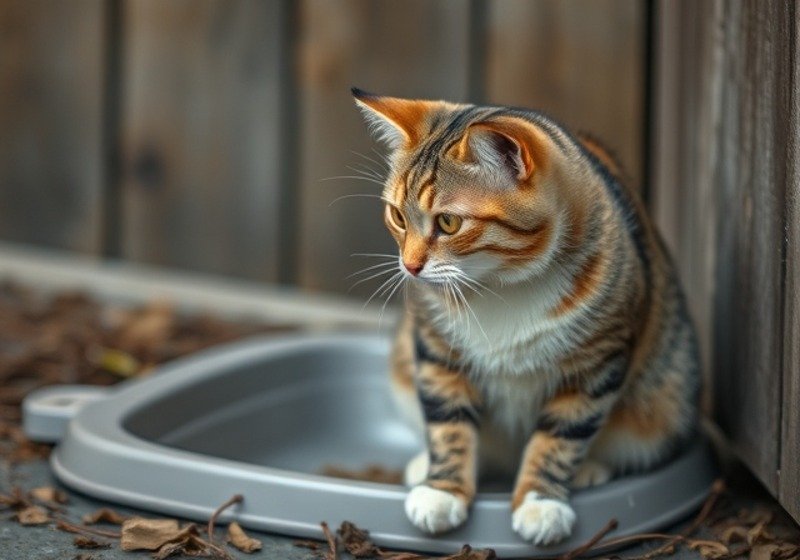
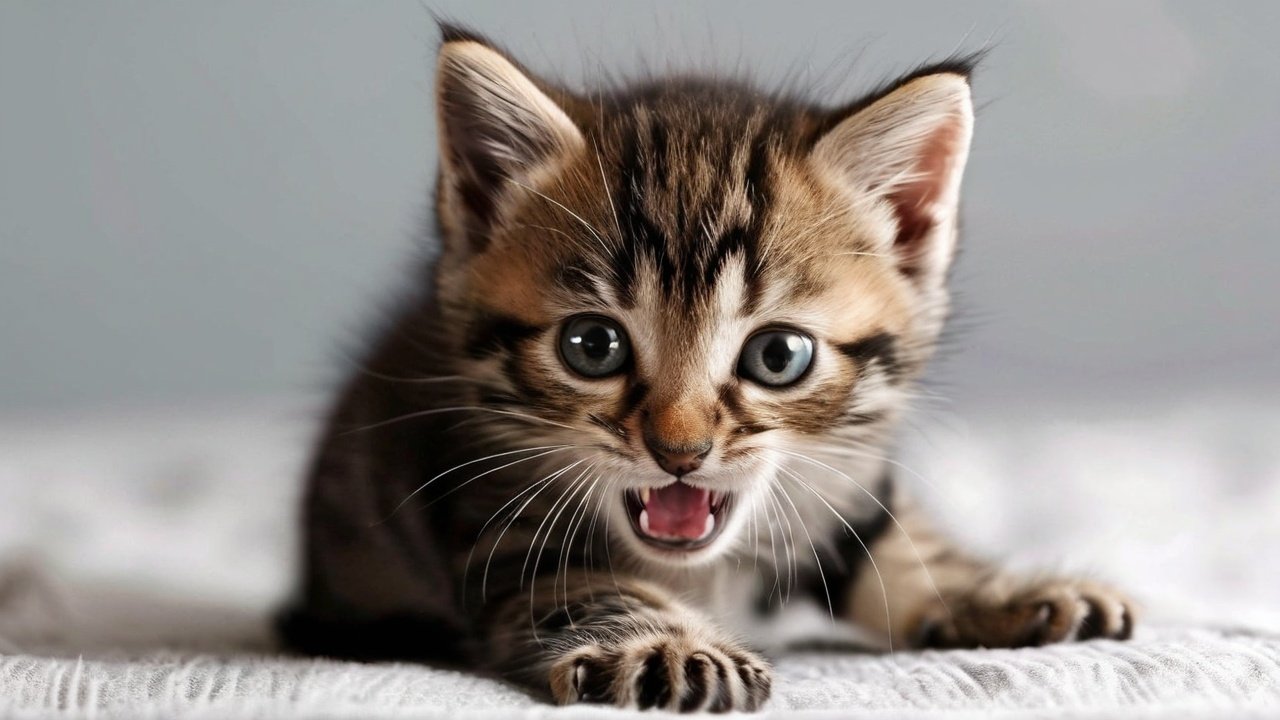
  • The Mystery of the Nail Nibblers: Why Do Cats Chew on Their Claws?

    The Mystery of the Nail Nibblers: Why Do Cats Chew on Their Claws?

    Ever caught your cat meticulously gnawing on their claws? This seemingly odd behavior, while a bit unsettling, is actually quite common among felines. While it might seem like an unusual habit, there’s a reason behind this feline nail-nibbling, and it’s often a combination of instinct, grooming, and even a touch of stress.

    Understanding the Cat’s Grooming Rituals

    Cats are meticulous groomers, spending a significant portion of their day meticulously cleaning their fur, using their tongues to remove loose hair, dirt, and debris. This grooming behavior is ingrained in their nature, driven by a combination of instinct and hygiene.

    A Case Study: The Adventures of Mittens

    Mittens, a 4-year-old Persian cat, is a prime example of a cat who takes grooming seriously. Her owner, Sarah, describes Mittens’ grooming routine as “a meticulous ritual, often lasting for hours.”

    “Mittens spends a lot of time grooming herself,” Sarah says. “She’ll meticulously lick her fur, her paws, and even her tail. She’s a bit of a perfectionist when it comes to her appearance.”

    Why Do Cats Chew on Their Claws?

    While cats might seem to enjoy a good nail-nibbling session, there’s usually a reason behind this behavior. It’s often a combination of instinct, grooming, and even a touch of stress.

    • Natural Shedding: Cat claws naturally shed and grow back. Cats may chew on their claws to help remove loose or damaged claw sheaths. This is a natural part of their grooming routine, similar to how they shed their fur.

    A Case Study: The Case of the Shedding Claws

    Luna, a 2-year-old Siamese cat, is known for chewing on her claws, especially after a good scratching session. Her owner, David, describes Luna’s claw-chewing as “a bit obsessive, but it seems to help her.”

    “Luna loves to scratch on her scratching post,” David says. “After a good scratching session, she’ll often sit down and start chewing on her claws. I think it’s her way of removing any loose claw sheaths and keeping her claws in tip-top shape.”

    • Grooming and Maintenance: Cats may also chew on their claws as part of their regular grooming routine. They use their tongues to smooth out any rough edges or imperfections on their claws, helping to keep them clean and sharp.

    A Case Study: The Perfectionist Groomer

    Whiskers, a 5-year-old Maine Coon, is a meticulous groomer who takes pride in his appearance. His owner, Jessica, describes Whiskers’ grooming routine as “a work of art.”

    “Whiskers spends a lot of time grooming himself,” Jessica says. “He’ll lick his fur, his paws, and even his claws. He seems to enjoy the sensation of licking his claws, and I think it helps him keep them clean and tidy.”

    • Stress and Anxiety: Cats may also chew on their claws when they’re stressed or anxious. This behavior can be a sign of underlying health issues, environmental changes, or even changes in their routine.

    A Case Study: The Anxious Nibbler

    Oliver, a 3-year-old Persian cat, started chewing on his claws after his owner, Michael, moved to a new apartment. Michael describes Oliver’s claw-chewing as “a bit excessive, and it seems to be a way for him to cope with his stress.”

    “Oliver was incredibly stressed after the move,” Michael says. “He spent days hiding in his carrier and only came out to eat. His claw-chewing seemed to be a way for him to self-soothe and cope with his anxiety.”

    • Medical Conditions: In some cases, chewing on claws can be a sign of a medical condition. Cats with dental problems, parasites, or other health issues may exhibit unusual grooming behaviors, including excessive claw-chewing.

    How to Address Claw-Chewing

    • Identify the Cause: The first step in addressing claw-chewing is to identify the underlying cause. Is your cat shedding their claws naturally? Is she stressed or anxious? Could there be a medical condition?
    • Consult a Veterinarian: If you suspect a medical condition, it’s essential to consult a veterinarian. They can rule out any health issues and recommend appropriate treatment.
    • Address Stress and Anxiety: If your cat’s claw-chewing is due to stress or anxiety, try creating a calm and predictable environment. Provide them with plenty of hiding spaces, enrichment toys, and regular playtime. Consider using calming pheromone diffusers or sprays.

    A Case Study: The Power of Enriched Play

    Oliver, the Persian cat who was chewing his claws due to stress, started to exhibit much less claw-chewing behavior after Michael provided him with a variety of enrichment toys and engaged him in interactive play sessions. Michael also invested in a cat tree that allowed Oliver to climb and explore, which helped him feel more secure in his new environment.

    • Keep Claws Trimmed: Regularly trimming your cat’s claws can help reduce the urge to chew. This is especially important for cats who are prone to excessive claw-chewing. Trim their claws every few weeks, using a cat-specific nail trimmer.
    • Provide a Scratching Post: Offer your cat a sturdy scratching post to help them naturally shed their claws. Choose a scratching post that is tall enough for your cat to stretch out and scratch comfortably.

    Claw-Chewing: A Sign of Stress

    It’s important to remember that while chewing on claws is a normal behavior, it can also be a sign of stress. If you notice your cat suddenly becoming more obsessive with their claws, or if you see other signs of stress, such as hiding, decreased appetite, or vocalization, consult a veterinarian to rule out any underlying medical or behavioral issues.

    Conclusion:

    Chewing on claws might seem like an odd habit, but it’s actually a natural part of a cat’s grooming routine. By understanding the reasons behind this behavior and providing them with appropriate toys and outlets for their energy, you can manage this behavior and enjoy a happy, well-groomed relationship with your feline companion. However, if you notice a sudden change in your cat’s behavior or they exhibit signs of stress, consult a veterinarian to rule out any underlying medical or behavioral issues.

  • The Mystery of the Foot Fetish: Why Does My Cat Attack My Feet?

    The Mystery of the Foot Fetish: Why Does My Cat Attack My Feet?

    Have you ever been innocently walking through your home, only to have your feet become the target of a sudden, enthusiastic attack by your feline companion? You’re not alone. Many cat owners find themselves wondering why their cats seem to have an inexplicable fascination with their feet, often launching into playful swats, nips, or even full-on pounces. While it might seem like a strange and sometimes painful behavior, there’s a reason behind this feline foot fetish, and it’s often rooted in a combination of instinct, playfulness, and even a touch of mischief.

    Understanding the Cat’s Playful Nature

    Cats are natural hunters and predators. They have an innate drive to stalk, chase, and pounce on moving objects. This instinctual behavior is deeply ingrained in their nature, and it often manifests itself in playful interactions with their owners.

    A Case Study: The Adventures of Mr. Whiskers

    Mr. Whiskers, a 3-year-old Maine Coon, is a prime example of a cat who enjoys a good foot chase. His owner, Sarah, describes Mr. Whiskers’ playful attacks as “a combination of adorable and slightly alarming.”

    “Mr. Whiskers loves to stalk my feet,” Sarah says. “He’ll often lie in wait behind the couch, then suddenly pounce on my ankles as I walk by. He’s very gentle, but it can be a bit startling when you least expect it.”

    Why Your Feet?

    While cats might be drawn to chase and pounce on any moving object, their feet seem to hold a special allure. This is likely due to a combination of factors:

    • Movement: Your feet, as they move around, create a fascinating, unpredictable target for a cat’s hunting instincts. This movement triggers their chase response, leading them to pounce and swat at your feet.
    • Warmth: Your feet, particularly when you’ve been walking, radiate heat, which can be attractive to cats. They may enjoy the warmth of your feet and see them as a comforting and inviting target for a playful nip or swat.
    • Smell: Your feet are often covered in a unique blend of your own scent and the scent of your environment. Cats, with their highly sensitive noses, may find this scent intriguing, leading them to investigate and interact with your feet.

    A Case Study: The Case of the Curious Paws

    Luna, a 2-year-old Siamese cat, is known for her unusual foot fascination. Her owner, David, describes Luna’s behavior as “a combination of curiosity and playfulness.”

    “Luna is obsessed with my feet,” David says. “She’ll often sniff them, lick them, and even try to paw at them. I think she’s fascinated by the scent and the warmth of my feet.”

    Playful Nips and Swats: A Form of Communication

    While your cat’s attacks might seem like a foot fetish, they’re often simply a form of playful communication. Cats use a variety of behaviors, including nipping, swatting, and even biting, to communicate their excitement, affection, and playfulness.

    • Nipping and Swatting: These actions are often a way for your cat to engage in playful interaction. They may also be a way for them to test their boundaries and gauge your reaction.
    • Biting: While biting can be a sign of aggression, it can also be a form of playful behavior. However, it’s important to distinguish between playful biting and aggressive biting. Playful biting is typically gentle and accompanied by playful body language, while aggressive biting is often forceful and directed towards a perceived threat.

    Managing Playful Foot Fetishes

    While your cat’s playful attacks on your feet might be endearing, they can also be a bit painful. Here are some tips for managing this behavior:

    • Provide Alternative Targets: Offer your cat plenty of appropriate playthings, such as interactive toys, scratching posts, and catnip mice. This will give them an outlet for their playful energy and redirect their attention away from your feet.
    • Engage in Playtime: Dedicate regular playtime with your cat, using toys that encourage chasing and pouncing. This will help fulfill their natural hunting instincts and reduce their urge to attack your feet.
    • Ignore the Behavior: When your cat tries to attack your feet, resist the urge to play with them or give them attention. This can reinforce the behavior. Instead, simply walk away or ignore them until they stop.
    • Positive Reinforcement: When your cat engages in appropriate play behavior, such as using their toys or playing with you, reward them with praise, treats, or a favorite toy. This will encourage them to repeat these desired behaviors.

    A Case Study: Redirect, Redirect, Redirect

    Mr. Whiskers, the Maine Coon who loved to attack Sarah’s feet, was successfully redirected to more appropriate play targets. Sarah started engaging him in interactive play sessions using feather wands and laser pointers, which he found highly stimulating. She also provided him with a variety of toys, including scratching posts and catnip mice. As a result, Mr. Whiskers’ foot attacks significantly decreased.

    Understanding the Root Cause:

    It’s important to remember that while playful foot attacks are often a harmless form of interaction, there could be an underlying reason behind this behavior. If you notice your cat suddenly becoming more aggressive or exhibiting other unusual behaviors, consider the following:

    • Medical Conditions: Cats with medical conditions, such as arthritis or pain, may become more irritable and prone to biting or scratching. Consult a veterinarian to rule out any underlying health issues.
    • Stress and Anxiety: Cats can become stressed or anxious due to changes in their environment, such as moving to a new home, introducing a new pet, or even a change in routine. Stress and anxiety can lead to increased aggression and biting.
    • Boredom: Cats who are bored or under-stimulated may engage in destructive or disruptive behaviors, such as attacking feet or scratching furniture. Ensure that your cat has plenty of toys and opportunities for play and exploration.

    Conclusion:

    While it might seem strange, your cat’s foot-attacking behavior is often just a playful expression of their natural instincts. By understanding the reasons behind this behavior and providing them with appropriate toys and outlets for their energy, you can manage this playful behavior and enjoy a happy, playful relationship with your feline companion. However, if you notice a sudden change in your cat’s behavior or they exhibit signs of aggression, consult a veterinarian to rule out any underlying medical or behavioral issues.

  • The Cat’s Nightly Serenade: What Is Caterwauling and Why Do They Do It?

    The Cat’s Nightly Serenade: What Is Caterwauling and Why Do They Do It?

    Ever woken up in the middle of the night to a haunting, mournful sound echoing through your neighborhood? If you’re a cat owner, chances are you’ve experienced the unique vocalization known as caterwauling, often described as a drawn-out, high-pitched meow or a mournful wail. While it might sound like your cat is in distress, caterwauling is actually a natural behavior with a specific purpose.

    Understanding the Sounds of a Cat

    Cats are known for their unique communication style, using a range of vocalizations to convey their emotions and needs. These sounds include meows, purrs, hisses, growls, and, of course, caterwauling.

    • Meows: Meows are typically used to communicate with humans, often to demand attention, food, or playtime.
    • Purrs: Purrs are a sign of contentment and relaxation, often heard when a cat is happy or feeling secure.
    • Hisses and Growls: Hisses and growls are warning signals used to express fear or aggression, often directed towards perceived threats.

    Caterwauling: A Closer Look

    Caterwauling, also known as “yowling” or “howling,” is a distinct type of vocalization that’s typically more intense and drawn-out than a regular meow. It’s characterized by a high-pitched, often mournful sound that can be heard for long distances.

    What Causes Caterwauling?

    Caterwauling in cats is often associated with the following reasons:

    • Heat Cycles: Female cats in heat are particularly prone to caterwauling. They use this vocalization to attract potential mates, calling out to tomcats in their neighborhood. These calls can be incredibly loud and persistent, often lasting throughout the night.

    A Case Study: Luna’s Nightly Serenade

    Luna, a 3-year-old Siamese cat, is a perfect example of a cat who uses caterwauling to signal her heat cycle. Her owner, Sarah, describes Luna’s caterwauling as “a haunting, mournful wail that seems to echo through the entire house.”

    “Luna’s caterwauling typically starts in the middle of the night,” Sarah says. “She’ll pace around the house, calling out to any potential mates in the neighborhood. It can be quite disruptive, but it’s a natural part of her heat cycle.”

    • Territorial Marking: Both male and female cats may use caterwauling to mark their territory. This vocalization serves as a warning to other cats in the area, letting them know that the area is already claimed. These calls are often heard during the early morning or late evening hours, when cats are most active.

    A Case Study: Max’s Territorial Call

    Max, a 5-year-old tabby cat, is a territorial cat who uses caterwauling to mark his domain. His owner, David, describes Max’s caterwauling as “a deep, guttural growl that sounds almost like a dog’s howl.”

    “Max typically caterwauls during the early morning hours, usually just before sunrise,” David says. “He’ll stand on the window sill and let out his call, signaling to any other cats in the neighborhood that he’s the boss of this territory.”

    • Stress and Anxiety: Cats may also caterwaul when they’re stressed or anxious. This vocalization can be a sign of underlying health issues, environmental changes, or even changes in their routine.

    A Case Study: Lily’s Stressful Call

    Lily, a 4-year-old Persian cat, began caterwauling after her owner, Jessica, moved to a new apartment. Jessica describes Lily’s caterwauling as “a high-pitched, almost desperate wail that sounded like she was in pain.”

    “Lily was incredibly stressed after the move,” Jessica says. “She spent days hiding in her carrier and only came out to eat. Her caterwauling was a sign of her anxiety and stress.”

    • Medical Conditions: In some cases, caterwauling can be a sign of a medical condition. Cats with ear infections, thyroid problems, or other health issues may exhibit unusual vocalization patterns.

    How to Address Caterwauling

    • Identify the Cause: The first step in addressing caterwauling is to identify the underlying cause. Is your cat in heat? Is she stressed or anxious? Could there be a medical condition?
    • Consult a Veterinarian: If you suspect a medical condition, it’s essential to consult a veterinarian. They can rule out any health issues and recommend appropriate treatment.
    • Address Stress and Anxiety: If your cat’s caterwauling is due to stress or anxiety, try creating a calm and predictable environment. Provide them with plenty of hiding spaces, enrichment toys, and regular playtime. Consider using calming pheromone diffusers or sprays.
    • Manage Heat Cycles: If your cat is caterwauling because she’s in heat, consider spaying her. Spaying eliminates heat cycles and reduces the risk of unwanted pregnancies and related health issues.

    Caterwauling: A Normal Cat Behavior

    It’s important to remember that caterwauling is a normal cat behavior, even if it can be disruptive. By understanding the causes and addressing the underlying issues, you can help your cat communicate her needs effectively while ensuring a peaceful night’s sleep for everyone.

    A Cat’s Communication: More Than Just Sounds

    While caterwauling is one way cats communicate, they use a variety of other signals to express their needs and feelings. These include:

    • Body Language: Cats use their body language to communicate their emotions. For example, a cat that’s feeling relaxed may have a loose, floppy body, while a cat that’s feeling threatened may arch its back and flatten its ears.
    • Tail Movements: Cats use their tails to convey their moods. A cat with a wagging tail is often happy and playful, while a cat with a twitching tail might be nervous or anxious.
    • Facial Expressions: Cats use their facial expressions to communicate a wide range of emotions. For example, a cat that’s happy may have a relaxed face with their mouth slightly open and their eyes half-closed. A cat that’s angry or threatened may have flattened ears, narrowed eyes, and a bared mouth.

    Conclusion:

    Caterwauling might sound like a mournful wail, but it’s actually a natural part of a cat’s communication. By understanding the reasons behind this behavior and addressing the underlying issues, you can help your cat express herself while ensuring a peaceful night’s sleep for everyone. Remember, your cat’s communication goes beyond just sounds; pay attention to her body language and facial expressions to better understand her needs and emotions.

  • The Chausie: A Wild Spirit in a Domestic Form

    The Chausie: A Wild Spirit in a Domestic Form

    If you’re looking for a cat that embodies both elegance and adventure, the Chausie might be your perfect match. These captivating felines, with their striking, spotted coats, wild-like appearances, and energetic personalities, often draw comparisons to miniature jungle cats. But don’t let their exotic looks fool you: Chausie cats are known for their affectionate, playful, and often mischievous personalities.

    A Journey of Breeding: The Chausie Cat’s Origins

    The Chausie cat’s story is one of careful breeding and a touch of wildness. It all began in the 1960s when breeders in the United States set out to create a domestic cat breed that resembled the elegant, athletic appearance of the jungle cat. They crossed domestic cats with the African wildcat, known for its striking spotted coat and its agile, athletic build.

    Early breeders carefully selected cats with desirable characteristics, focusing on maintaining the breed’s wild-like appearance and developing its unique personality. Over time, the Chausie emerged as a distinct breed, known for its striking appearance, its playful, energetic nature, and its affectionate, engaging personality.

    The Chausie: A Blend of Wildness and Domesticity

    A Striking Spotted Coat: The Chausie’s most distinctive feature is its striking, spotted coat, reminiscent of its jungle cat ancestor. This unique pattern, often described as “marbled” or “swirled,” comes in a variety of colors, including brown, black, silver, and cinnamon. The spots can be either solid or ticked, with the ticked pattern creating a more shimmering, almost iridescent effect.

    Muscular Build and Expressive Eyes: The Chausie has a medium-sized, muscular build with strong legs and a sleek, athletic body. Their rounded heads and expressive eyes, often almond-shaped, contribute to their wild-like appearance. The eyes come in a variety of colors, including green, gold, and hazel.

    A Variety of Coat Types: The Chausie comes in two coat types: short-haired and long-haired. Both coat types feature the distinctive spotted pattern, each offering its own charm and visual appeal.

    A Case Study: The Adventures of Simba

    Simba, a 5-year-old Chausie, is a perfect example of the breed’s unique personality. His owner, David, describes him as “a playful goofball with a heart of gold.”

    “Simba is always up for a good time,” David laughs. “He loves to play fetch with his toys, and he’s even learned to jump through hoops. He’s a bit of a comedian, always finding new ways to entertain us.”

    Simba’s spotted coat adds to his unique charm. “He’s like a little jungle cat,” David says. “His coat is soft and smooth, and it’s always fun to brush him and watch him purr with contentment.”

    Personality and Temperament:

    Affectionate and Playful: Chausie cats are known for their affectionate and playful personalities. They crave human companionship and love to be petted and cuddled. They’re often described as being “dog-like” in their loyalty and devotion to their owners, often following them around the house and participating in their daily activities.

    Active and Energetic: Chausie cats are active and energetic. They enjoy interactive games, chasing toys, and exploring their surroundings. They often require more exercise and playtime than other breeds.

    Intelligent and Curious: Chausie cats are highly intelligent and curious, eager to learn new things and explore their environment. They’re often quick to pick up tricks and enjoy puzzles and games that challenge their minds.

    The Chausie: A Detailed Look

    A Breed with a Short History: The Chausie is a relatively new breed, having been recognized by cat registries in the late 20th century. However, the breed has quickly gained popularity for its striking appearance and its affectionate nature.

    A Rare Breed: The Chausie is considered a rare breed, as it takes careful breeding programs to maintain its distinctive spotted coat and ensure its health.

    Health and Lifespan:

    Generally Healthy: Chausie cats are generally a healthy breed. They’re known for their robust constitution and strong immune systems. However, they’re prone to some common feline health issues, such as hypertrophic cardiomyopathy (HCM) and polycystic kidney disease (PKD). Regular veterinary checkups and preventive care are crucial to ensure their well-being.

    Lifespan: Chausie cats typically have a lifespan of 12 to 15 years, with proper care and attention.

    Grooming:

    Minimal Grooming: The Chausie’s short coat requires minimal grooming. A weekly brushing with a soft brush is usually sufficient to remove loose hair and keep their coat healthy and shiny.

    Living with a Chausie:

    Active Lifestyle: Chausie cats are active cats and need plenty of exercise and mental stimulation. Provide them with climbing trees, scratching posts, and interactive toys to keep them entertained. They often require more playtime than other breeds, so make sure you’re prepared for their high energy levels.

    Socialization: Early socialization is crucial for Chausie cats to develop into well-adjusted cats. Introduce them to other pets and people from a young age to help them become comfortable in different environments.

    Is the Chausie Right for You?

    The Chausie is an excellent choice for owners seeking a playful, affectionate, and intelligent companion. They’re adaptable and social cats, making them well-suited for families with children and other pets. However, Chausie cats are high-energy cats with specific needs. Consider these factors before welcoming a Chausie into your home:

    • Are you ready for a playful and energetic cat who needs a lot of exercise and playtime?
    • Can you provide a stimulating environment with plenty of climbing opportunities and toys?
    • Do you have the time and resources to meet their needs?

    If you can answer “yes” to these questions, then a Chausie might be the perfect fit for you.

    The Chausie: A Unique and Rewarding Experience

    The Chausie is more than just a cat with a spotted coat. They’re a unique and captivating breed with a personality that’s both charming and endearing. Their playful nature, intelligence, and affectionate temperament make them an excellent choice for cat lovers seeking a loyal and rewarding companion.

    A Look Deeper into the Chausie’s Personality

    The Independent Side of the Chausie: While they’re known for their affectionate nature, Chausie cats can also be quite independent. They enjoy their own company and often find ways to entertain themselves. This independent streak makes them well-suited for owners who are out of the house for part of the day, as long as they have adequate stimulation and enrichment.

    The Adventurous Chausie: These cats are naturally curious and love to explore. They’re often found venturing into new areas of the house, investigating objects, and climbing to high places. If you have a cat tree or other climbing structures, your Chausie will likely make good use of them. They may even enjoy outdoor adventures in a safe, enclosed space.

    The Curious and Inquisitive Nature: Chausie cats are highly intelligent and observant. They’re often seen watching their owners with keen interest, observing their routines and activities. This curiosity makes them entertaining companions, as they’re always learning and adapting to new situations.

    Training a Chausie:

    A Quick Learner: Chausie cats are relatively easy to train, thanks to their intelligence and eagerness to please. They can learn simple tricks, such as fetching toys, coming when called, and jumping through hoops.

    Positive Reinforcement: The key to training a Chausie is positive reinforcement. Use treats, praise, and play to motivate them and reward desired behaviors.

    The Importance of Socialization:

    Social Butterflies: Chausie cats are known for being social cats, but early socialization is still important for their well-being. Introducing them to different people, pets, and environments from a young age helps them develop into confident and well-adjusted adults.

    Avoiding Negative Experiences: It’s crucial to ensure that Chausie cats have positive early experiences with other animals and people. Negative experiences can lead to fear, anxiety, and aggression.

    Conclusion:

    The Chausie is a captivating breed with a unique and endearing personality. Their spotted coat, playful nature, and affectionate temperament make them a truly special companion. If you’re looking for a cat who’s both striking and full of character, the Chausie might just be the perfect fit for you.